Quick Answer
Beverage destruction services provide a controlled way to remove expired, recalled, damaged, contaminated, or otherwise unsellable drinks from the supply chain. A reliable process normally includes pickup, transportation, secure handling, inventory verification, destruction or approved disposal, and documentation. When transportation and warehousing are coordinated with the destruction process, businesses can reduce storage pressure, maintain product control, and keep records ready for internal reviews or compliance needs.
Introduction
Beverage products move quickly through a supply chain, but not every shipment reaches the consumer. Products may expire in storage, arrive damaged, be affected by a recall, lose marketability because of labeling changes, or become unsuitable for sale for other reasons. Once that happens, the challenge is not simply getting rid of the product. The business must know where the inventory is, move it safely, prevent unintended resale, and maintain clear records of what happened.
That is where beverage destruction services fit into a broader transportation and logistics plan. The strongest programs connect product removal with freight coordination, warehousing, shipment visibility, and documented disposition. Instead of treating destruction as an isolated last step, companies can manage the entire chain from inventory identification through final disposal.
For shippers, distributors, retailers, and beverage brands, a coordinated approach can help reduce unnecessary handling and keep unwanted inventory from creating a larger operational problem.
What Are Beverage Destruction Services?
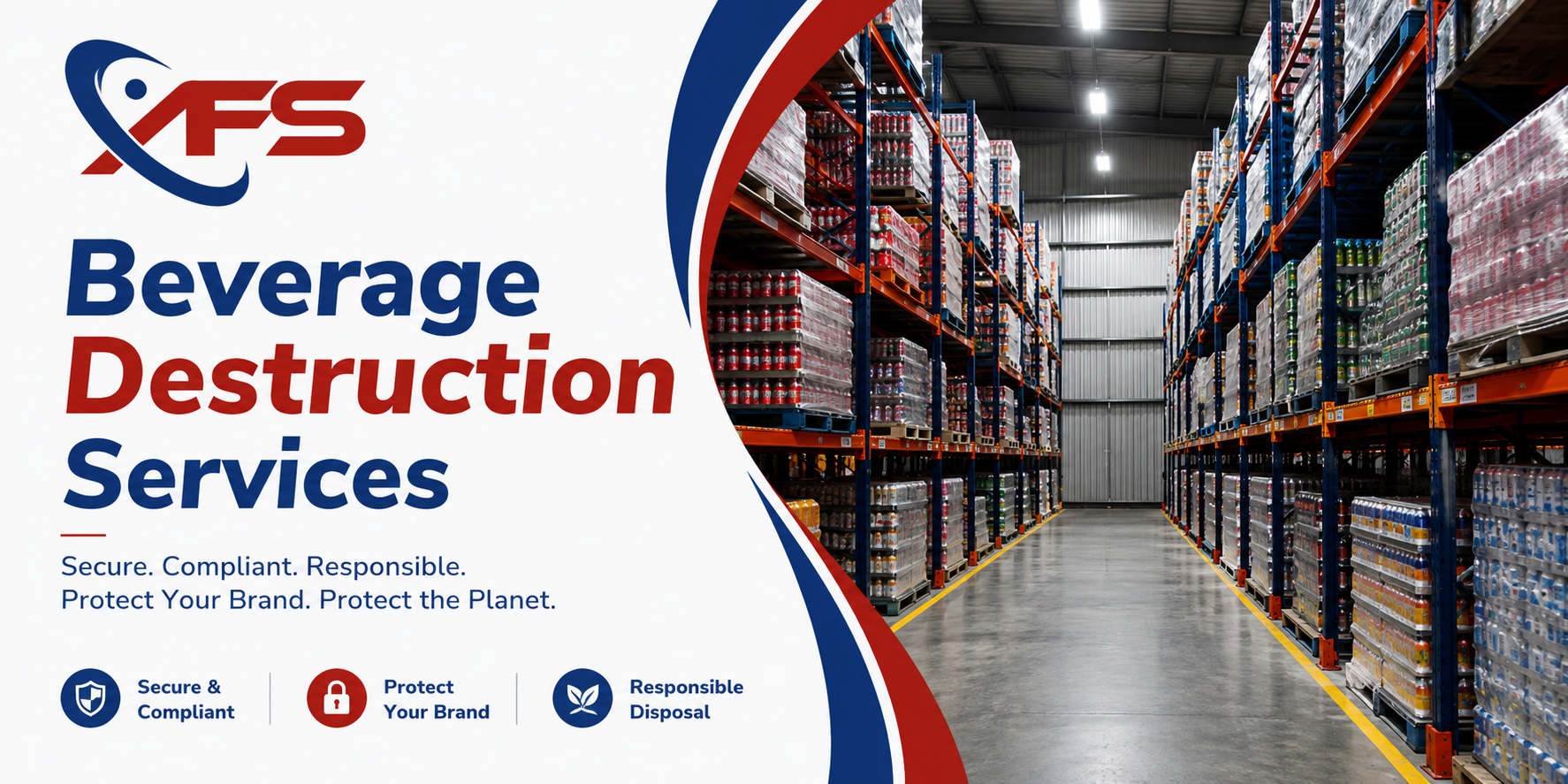
Beverage destruction services are organized logistics and disposal processes for drinks that can no longer remain in the commercial supply chain. Depending on the product and the reason for removal, the work may involve secure pickup, transportation to an approved facility, sorting, destruction, recycling, waste processing, and final documentation.
The exact process should match the product, packaging, location, and applicable requirements. A damaged pallet of canned drinks may require different handling from a recalled bottled product or an expired shipment held across several warehouse locations.
The key principle is control. Every handoff should be clear, and the business should be able to reconcile the affected inventory with the records generated during removal and final disposition.
When Does a Beverage Shipment Need to Be Removed?
Several common situations can lead a company to arrange beverage destruction or controlled disposal:
Expired or short-dated inventory that cannot be sold through approved channels
Products affected by a recall or quality hold
Damaged goods caused by freight incidents, water exposure, or warehouse handling
Packaging, labeling, or branding changes that make inventory unsuitable for sale
Overstock or discontinued products that require controlled disposition
Contaminated or compromised inventory that needs specialized handling
The sooner affected stock is identified, the easier it is to coordinate transportation and warehouse activity. Delays can create congestion, increase storage costs, and make inventory reconciliation more difficult.
Why Transportation Planning Matters
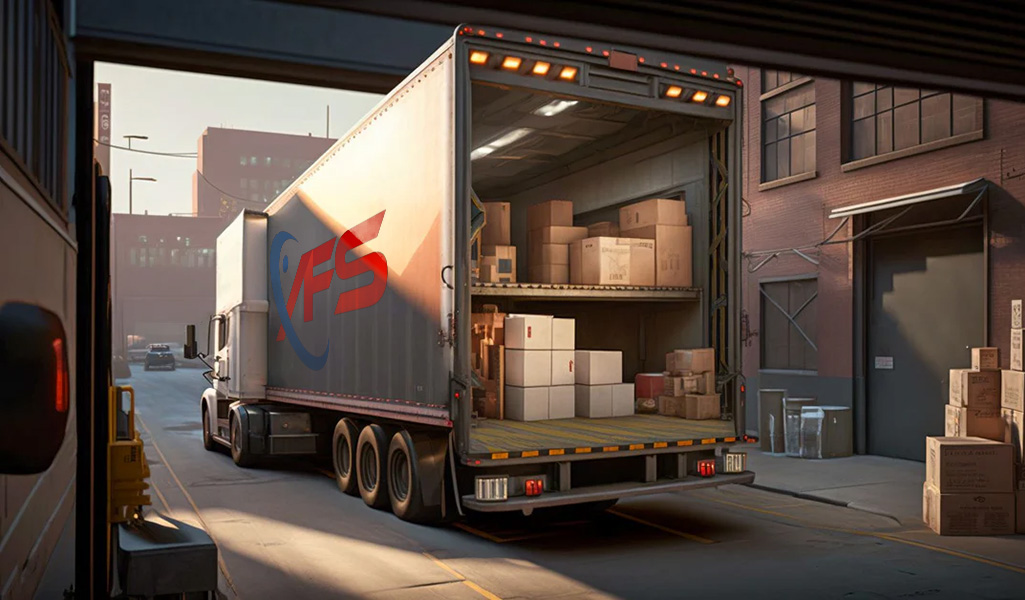
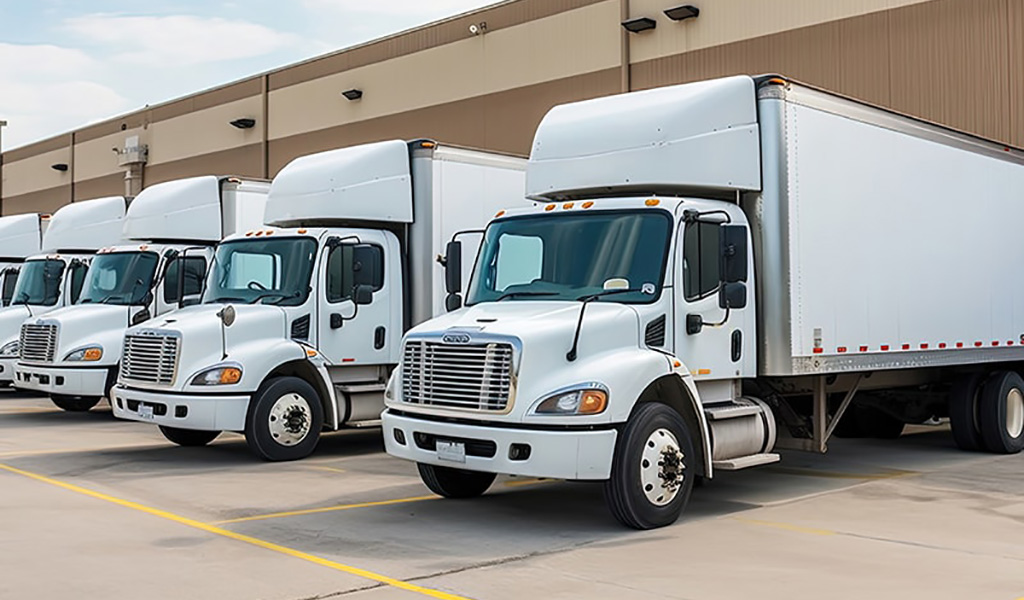
A destruction project often begins with transportation. Products may be located at a distribution center, retail location, cross-dock, or third-party warehouse. The first task is determining how the inventory will move and whether it requires full truckload, less-than-truckload, or another freight arrangement.
For smaller or dispersed shipments, LTL freight tracking can be particularly useful. Shipment visibility helps logistics teams monitor pickups, handoffs, and delivery to the next approved location. Tracking does not replace physical inventory controls, but it gives teams a clearer picture of where freight is during transit.
The Role of Warehousing Before Destruction
In many cases, products cannot be destroyed immediately. They may need to be held while the company completes a recall review, waits for internal approval, consolidates inventory from multiple locations, or schedules transportation to a qualified facility.
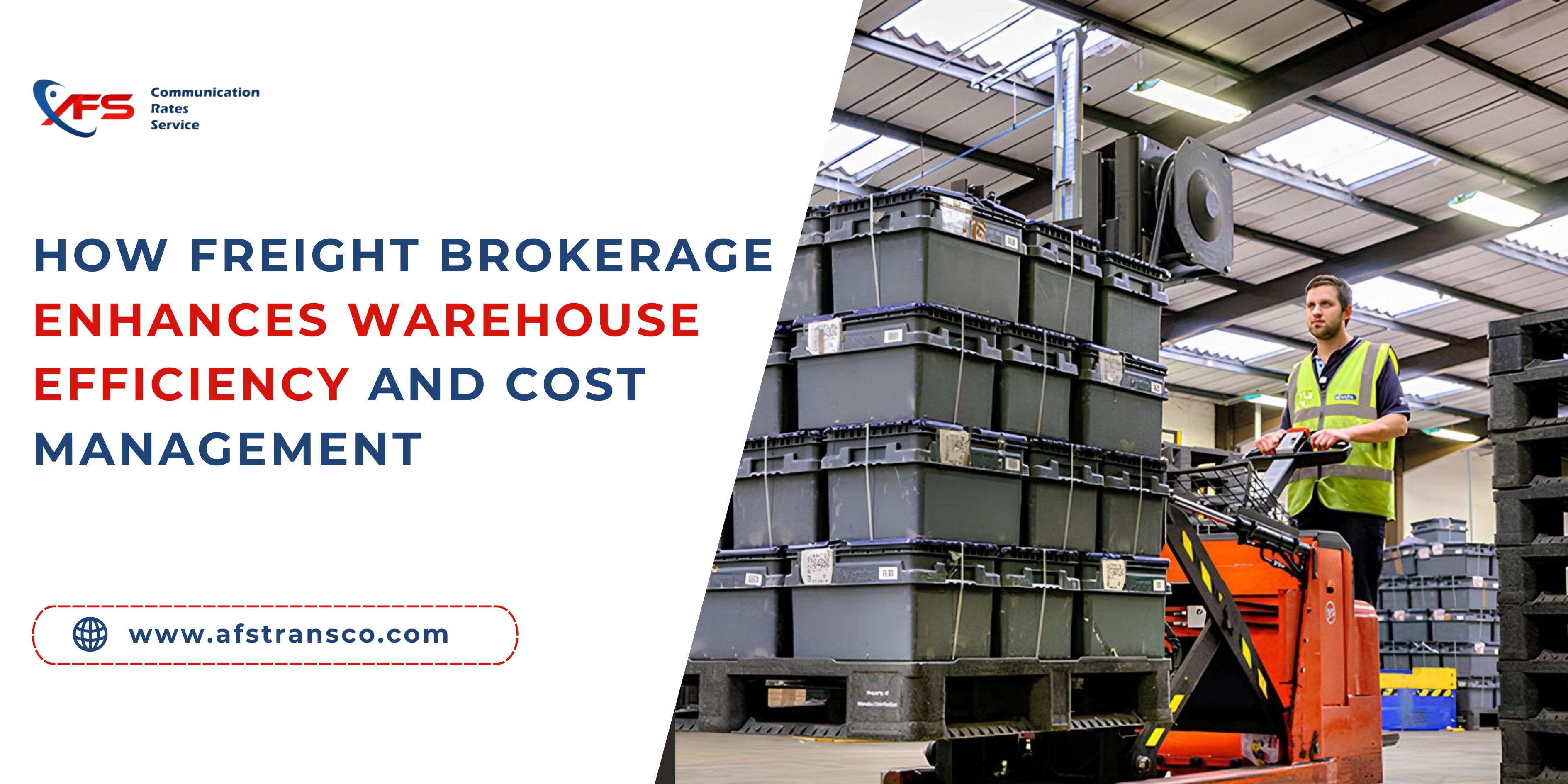
This is where beverages warehousing Vancouver becomes relevant for businesses moving inventory through the Vancouver area. Storage should support product segregation, inventory accuracy, and efficient release when the next step is approved. Unwanted products should not simply be mixed into normal saleable stock.
A practical warehouse process may include:
Identifying and isolating affected inventory
Recording pallet counts, product descriptions, and relevant lot information
Restricting access where appropriate
Coordinating release instructions with transportation partners
Preparing the shipment for documented transfer
Maintaining records that support later reconciliation
A Step-by-Step Beverage Destruction Workflow
1. Identify and Verify the Inventory
Start by confirming what needs to be removed. Record product descriptions, quantities, packaging types, and the reason for disposition. If the inventory is spread across several facilities, create one coordinated inventory list before scheduling pickups.
2. Choose the Right Transportation Method
Transportation should match the shipment size and location. A full truckload may be suitable for a large, consolidated quantity, while smaller loads may move through an LTL network. Clear pickup instructions and shipping paperwork help prevent avoidable confusion at the point of collection.
3. Keep the Product Controlled During Transit
The goal is to maintain accountability from pickup through delivery. Use shipment references, tracking where available, and clear instructions about the receiving location. LTL freight tracking can provide useful visibility when multiple carriers or terminals are involved.
4. Use Secure Interim Storage When Needed
If timing requires temporary storage, the warehouse should separate affected products from normal inventory and maintain accurate records. This step is especially important when products are being consolidated from multiple origins.
5. Coordinate Approved Destruction or Disposal
The final handling method depends on the product, packaging, and applicable local or industry requirements. The logistics provider and disposal partner should work from clear instructions so the chain of custody remains understandable.
6. Reconcile Records and Close the Project
At the end of the process, compare the original inventory records with shipment records and the documentation received for final disposition. This creates a clean operational record and can help with internal reviews, vendor communication, or future planning.
How a TMS System Supports Better Trucking Coordination
A tms system trucking workflow can make transportation planning easier when a business handles multiple loads, carriers, or pickup locations. A transportation management system may help organize shipment details, carrier assignments, status updates, and delivery information.
For beverage destruction projects, the value is often in coordination. Instead of managing pickup details across separate emails and spreadsheets, teams can keep shipment information in a more consistent operational flow. The system does not replace good processes, but it can reduce missed handoffs and make it easier to review shipment history.
What to Look for in a Logistics Partner
The best fit depends on your product and network, but several capabilities are worth reviewing before you begin.
Experience coordinating freight across multiple pickup or delivery points
Access to appropriate warehousing and freight capacity
Clear communication and documented shipment instructions
Inventory and status visibility
Ability to coordinate with approved disposal or destruction providers
Practical knowledge of regional transportation requirements
Reliable recordkeeping from pickup through final disposition
For companies looking for trans service logistics support, it is useful to ask one basic question: can the provider coordinate the full movement of the inventory, rather than handling only one isolated leg? A connected process can reduce duplicate handling and make accountability easier to maintain.
Need help coordinating beverage inventory movement? Contact AFS Trans Co. to discuss your freight, storage, and logistics requirements based on the location and condition of your inventory.
Expert Tips for Managing Beverage Inventory Removal
Do Not Wait Until Storage Becomes a Problem
If a product is approaching expiration or has been placed on hold, begin planning early. Early coordination gives you more transportation options and reduces the chance of rushed decisions.
Separate Affected Inventory Immediately
Clear identification reduces the risk of accidental shipment or return to normal inventory. Use your existing inventory controls and keep disposition instructions easy for warehouse staff to follow.
Document Every Major Handoff
Record pickup, transfer, delivery, and final disposition milestones. Good records make reconciliation much easier.
Match Freight Mode to the Actual Shipment
Do not automatically treat every load the same way. Shipment size, urgency, distance, handling needs, and destination should guide the transportation plan.
Think Beyond Disposal
The immediate goal may be to remove unsellable products, but the process can also reveal useful information about warehouse practices, freight damage, inventory aging, or supplier coordination.
How Beverage Destruction Fits Into the Wider Supply Chain
A well-managed destruction project can improve more than a single inventory problem. It can strengthen communication between transportation, warehouse, quality, and operations teams. The lessons from one project may help a business reduce future product losses or identify where inventory is spending too long in the network.
For example, repeated damage at the same point in transit may signal a packaging or handling issue. Frequent short-dated inventory may point to forecasting or warehouse rotation problems. In this way, beverage destruction services can also provide useful operational feedback.
Conclusion
Beverage destruction services are most effective when they are treated as part of a connected logistics process rather than a final task handled in isolation. Transportation, freight visibility, secure storage, inventory control, and documented disposition all play a role in keeping unsellable products under control.
Whether the challenge involves a single shipment or inventory across several locations, planning the movement of the product early can reduce unnecessary handling and make the process easier to manage. From freight coordination and LTL freight tracking to warehouse support and trucking technology, each part of the operation should support a clear chain of accountability.
If you need help coordinating beverage inventory movement, warehousing, or transportation logistics, contact AFS Trans Co. to discuss the practical requirements of your shipment and the next steps for moving it through the supply chain.
Frequently Asked Questions
What are beverage destruction services?
They are coordinated services for removing unsellable, recalled, expired, damaged, or otherwise restricted beverage products from the supply chain. The process may include pickup, transportation, storage, controlled handling, destruction or approved disposal, and documentation.
How do I arrange transportation for beverage inventory that needs to be destroyed?
Start by confirming the quantity, pickup locations, packaging, product condition, and final destination requirements. A logistics provider can then determine whether full truckload, LTL, or another transportation method is appropriate.
Why is LTL freight tracking useful for these shipments?
LTL freight tracking provides shipment visibility while products move through a carrier network. It can help logistics teams monitor pickup and delivery progress and maintain clearer operational records.
Can beverage inventory be stored before destruction?
Yes, when timing or consolidation requires it. The inventory should be clearly identified, separated from saleable products, and managed with accurate records and release instructions.
What is the role of a TMS system in trucking?
A transportation management system can help organize shipment details, carrier coordination, tracking information, and delivery records. This can be helpful when multiple loads or locations are involved.
What information should I have ready before contacting a logistics provider?
Prepare the product type, quantity, packaging, pickup locations, condition of the inventory, timing requirements, and any special handling or documentation needs. This helps the provider plan the most practical transportation and storage approach.