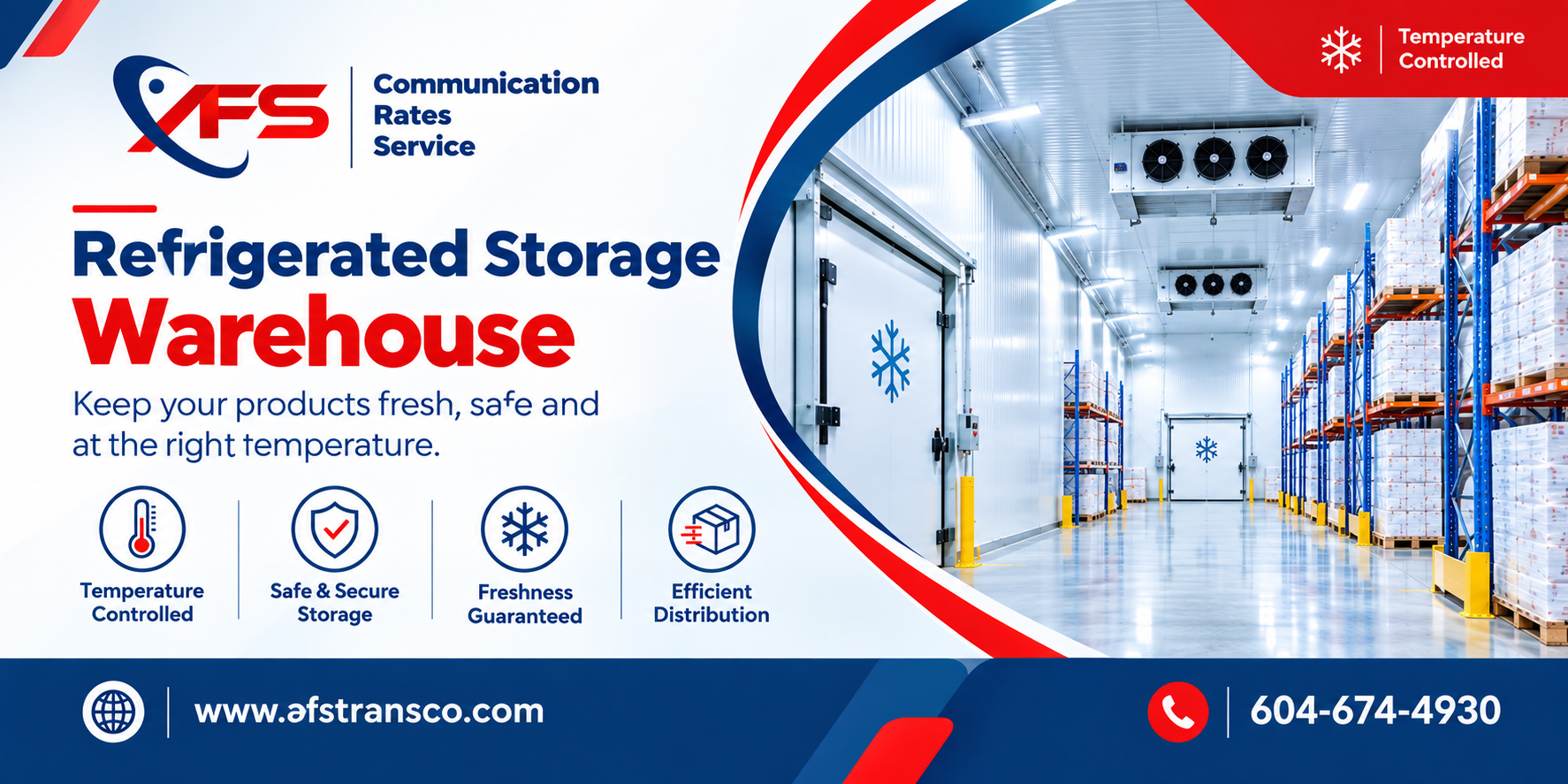
Choosing the right type of warehouse can have a direct impact on product quality, shelf life, handling and distribution. While some goods can remain safely in normal warehouse conditions, others need controlled temperatures throughout storage and transportation.
Cold storage and dry warehousing serve different purposes. A dry warehouse is generally suitable for products that can be stored at normal indoor temperatures, while cold storage is designed for goods that require refrigeration or freezing.
For businesses managing food, beverages, retail products or other temperature-sensitive goods, understanding these differences can help prevent product deterioration and support smoother distribution.
What Is Dry Warehousing?
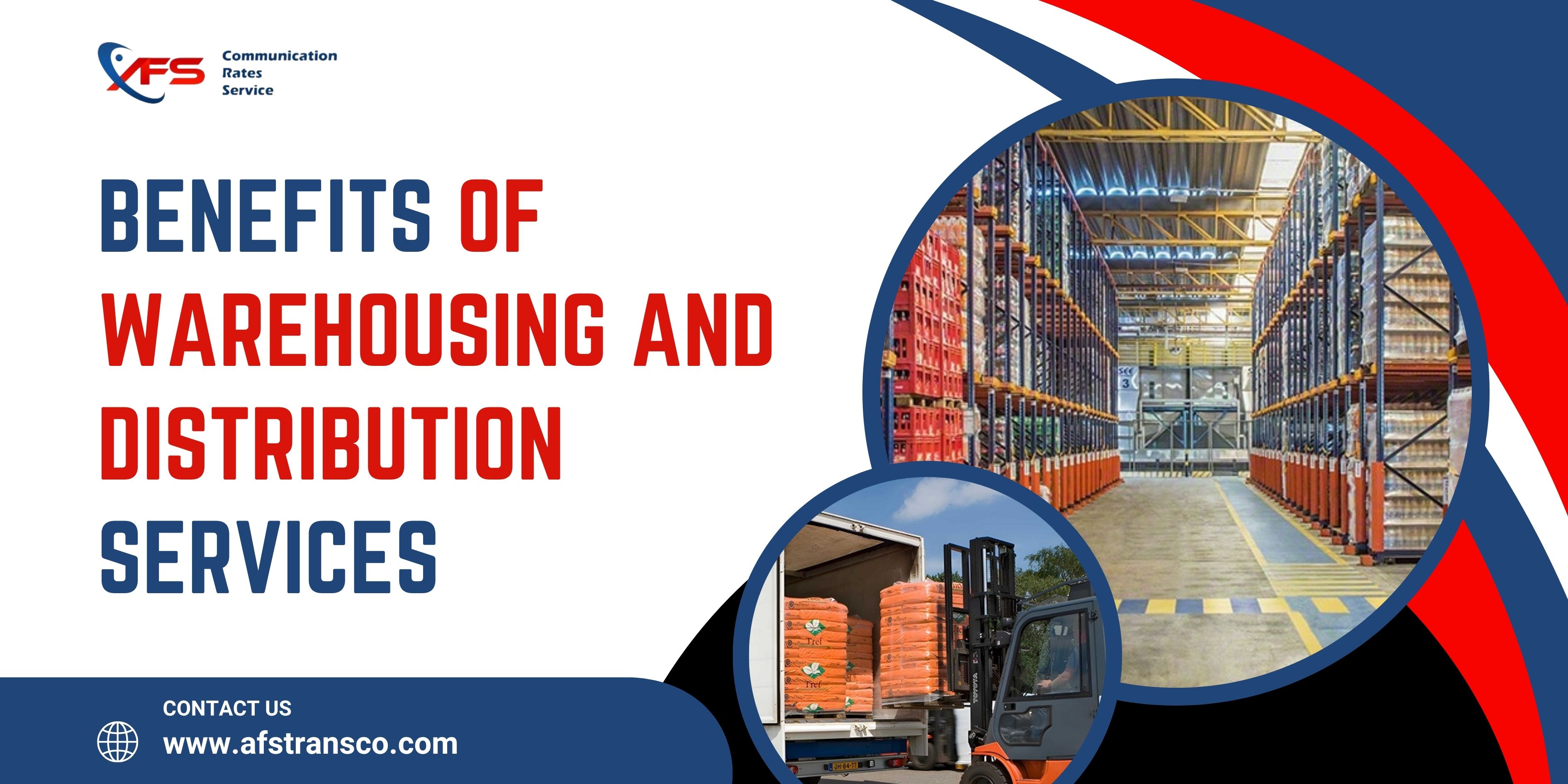
Dry warehousing is designed for products that do not require refrigeration or freezing. These facilities generally provide a clean, dry and secure environment where goods can be stored, organised and prepared for distribution.
Common products suitable for dry storage include packaged foods, furniture, clothing, electronics, household products, packaging materials and other non-perishable goods.
Although dry warehouses do not normally require refrigeration, environmental conditions still matter. Excessive heat, moisture, direct sunlight and sudden temperature changes can affect certain products and their packaging. Businesses should therefore follow the manufacturer's storage instructions for each product.
For companies working with a Vancouver fulfillment center, dry warehousing can provide a practical option for storing products that can safely remain under ambient conditions before they are picked, packed and dispatched.
What Is Cold Storage?
Cold storage is designed for products that need controlled temperatures to maintain their quality, safety or shelf life. Depending on the product, this can include refrigerated or frozen environments.
Fresh produce, dairy products, meat, seafood, frozen foods and certain beverages are common examples. Some healthcare and pharmaceutical products can also have specific temperature requirements.
The required temperature is not the same for every product. For example, the Canadian Food Inspection Agency states that food requiring refrigeration should be stored at 4°C or less, while frozen food should be kept at temperatures that maintain its frozen state. Temperature and humidity should be monitored where necessary.
A refrigerated storage warehouse can therefore be important for businesses that need to maintain controlled conditions from receiving through storage and dispatch.
Key Differences Between Cold Storage and Dry Warehousing
The main difference is the level of environmental control required.
Dry warehousing is intended for products that remain stable under normal indoor conditions. It generally requires standard warehouse equipment, organised storage areas and suitable protection from moisture, contamination and physical damage.
Cold storage requires additional temperature-control equipment and monitoring. Products may need to remain chilled or frozen throughout storage, loading and dispatch. This means warehouse procedures need to account for temperature exposure during receiving, picking and transportation.
Cold storage can also involve higher operating requirements because refrigeration systems, temperature monitoring and specialised handling equipment need to be maintained.
The right choice should always be based on the product's storage instructions rather than simply its industry category.
Which Products Need Cold Storage?
Cold storage is generally required when exposure to normal room temperatures could affect a product's safety, quality or shelf life.
Products that may require controlled temperatures include:
- Fresh meat and seafood
- Dairy products
- Fresh produce
- Frozen foods
- Certain beverages
- Temperature-sensitive ingredients
- Selected pharmaceutical and healthcare products
For food businesses, temperature control can be particularly important because unsuitable storage conditions can contribute to deterioration and food safety risks. Canadian guidance requires businesses to maintain appropriate temperature and humidity conditions for the food being stored and to monitor these conditions where necessary.
Businesses should also consider the entire supply chain. Maintaining the correct temperature in storage is not enough if products are exposed to unsuitable conditions during loading, transportation or delivery.
Which Products Are Suitable for Dry Warehousing?
Dry warehousing is generally suitable for goods that do not need refrigeration or freezing.
Examples include:
- Furniture and homeware
- Clothing and textiles
- Electronics
- Packaged household products
- Non-perishable food
- Packaging materials
- General retail inventory
These products can often be stored for longer periods without specialised temperature control, provided the warehouse environment is clean, dry and appropriate for the goods.
Businesses should still consider humidity, ventilation and exposure to heat. Some products may have specific storage requirements even when refrigeration is not necessary.
What About Cost and Operating Requirements?
Cost is another factor when choosing between the two storage options.
Cold storage generally involves additional operating requirements because refrigeration systems need energy, maintenance and regular monitoring. Staff may also need specific procedures for receiving, handling and dispatching temperature-sensitive products.
Dry warehousing usually has fewer environmental control requirements, which can make it suitable for products that do not need temperature management.
However, businesses should not select a warehouse based on storage cost alone. Product damage, spoilage, reduced shelf life or unsuitable storage conditions can create additional costs.
The warehouse should match the actual requirements of the products being stored.
How Should You Choose the Right Warehouse?
Before selecting a storage facility, businesses should consider several factors.
First, check the manufacturer's recommended storage conditions. Look at temperature, humidity, light exposure and any specific handling instructions.
Next, consider how long the products will remain in storage. Products with shorter shelf lives may need more frequent stock rotation and closer environmental monitoring.
Businesses should also review their transportation requirements. If products need controlled temperatures during delivery, the warehouse should have suitable loading procedures and transportation arrangements.
Working with experienced cargo freight forwarders can also help businesses coordinate transportation alongside warehousing, particularly when products move between different locations or require specialised handling.
Why the Right Storage Environment Matters
Selecting the correct warehouse can help protect product quality and reduce avoidable losses. It can also support better inventory management and smoother order fulfilment.
For temperature-sensitive products, maintaining suitable conditions throughout storage and transportation is especially important. Canadian guidance highlights the need to prevent deterioration and contamination and to maintain appropriate environmental conditions for products that require temperature or humidity control.
For products that do not need refrigeration, a well-managed dry warehouse can provide suitable storage without the additional requirements of temperature-controlled facilities.
Conclusion
Cold storage and dry warehousing serve different product requirements. Cold storage is designed for goods that need controlled temperatures, while dry warehousing is generally suitable for products that can remain safely under normal indoor conditions.
The right option depends on the product, storage instructions, shelf life, handling needs and transportation requirements. AFS Trans Co. provides warehousing and transportation solutions, including refrigerated warehousing and dry storage options, helping businesses manage their inventory and distribution requirements across Canada.
Reviewing your product requirements before choosing a warehouse can help protect inventory and support a smoother supply chain.
FAQs
1. What is the main difference between cold storage and dry warehousing?
Cold storage provides controlled refrigerated or frozen conditions for temperature-sensitive products. Dry warehousing stores products under normal indoor conditions without specialised refrigeration.
2. What products usually require cold storage?
Fresh meat, seafood, dairy, fresh produce, frozen foods and certain beverages commonly require temperature-controlled storage. Some healthcare products may also have specific temperature requirements.
3. Can food products be stored in a dry warehouse?
Yes, some non-perishable and packaged foods can be stored in dry warehouses. However, businesses should always follow the storage conditions specified for each product.
4. Is cold storage more expensive than dry warehousing?
Cold storage generally has higher operating requirements because it involves refrigeration, temperature monitoring and specialised equipment. The actual cost depends on the facility, product type and storage duration.
5. How do I know which warehouse my product needs?
Start with the manufacturer's storage instructions and check the required temperature, humidity, shelf life and handling conditions. You should also consider how the product will be transported and delivered.