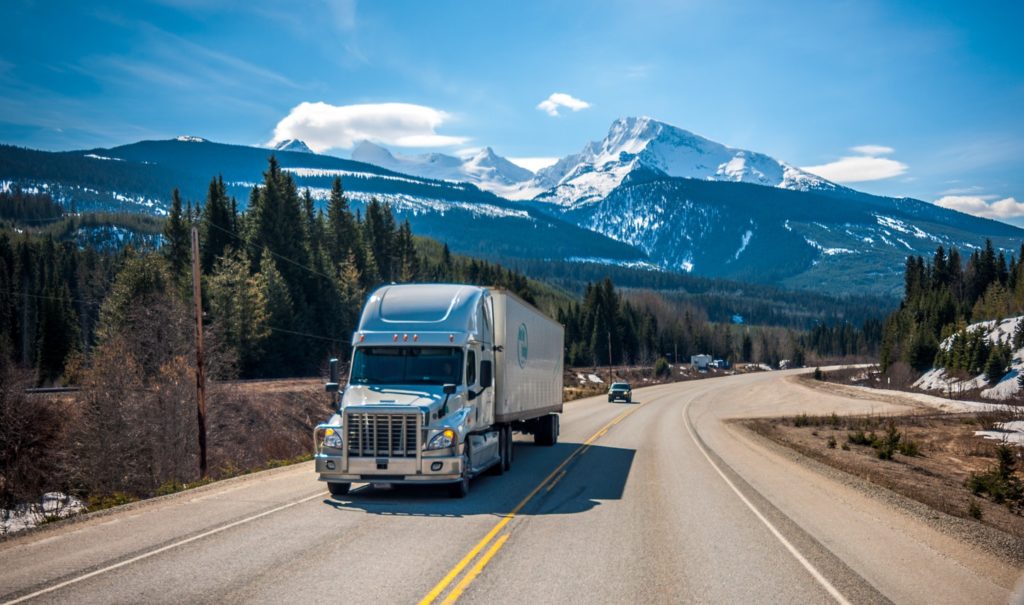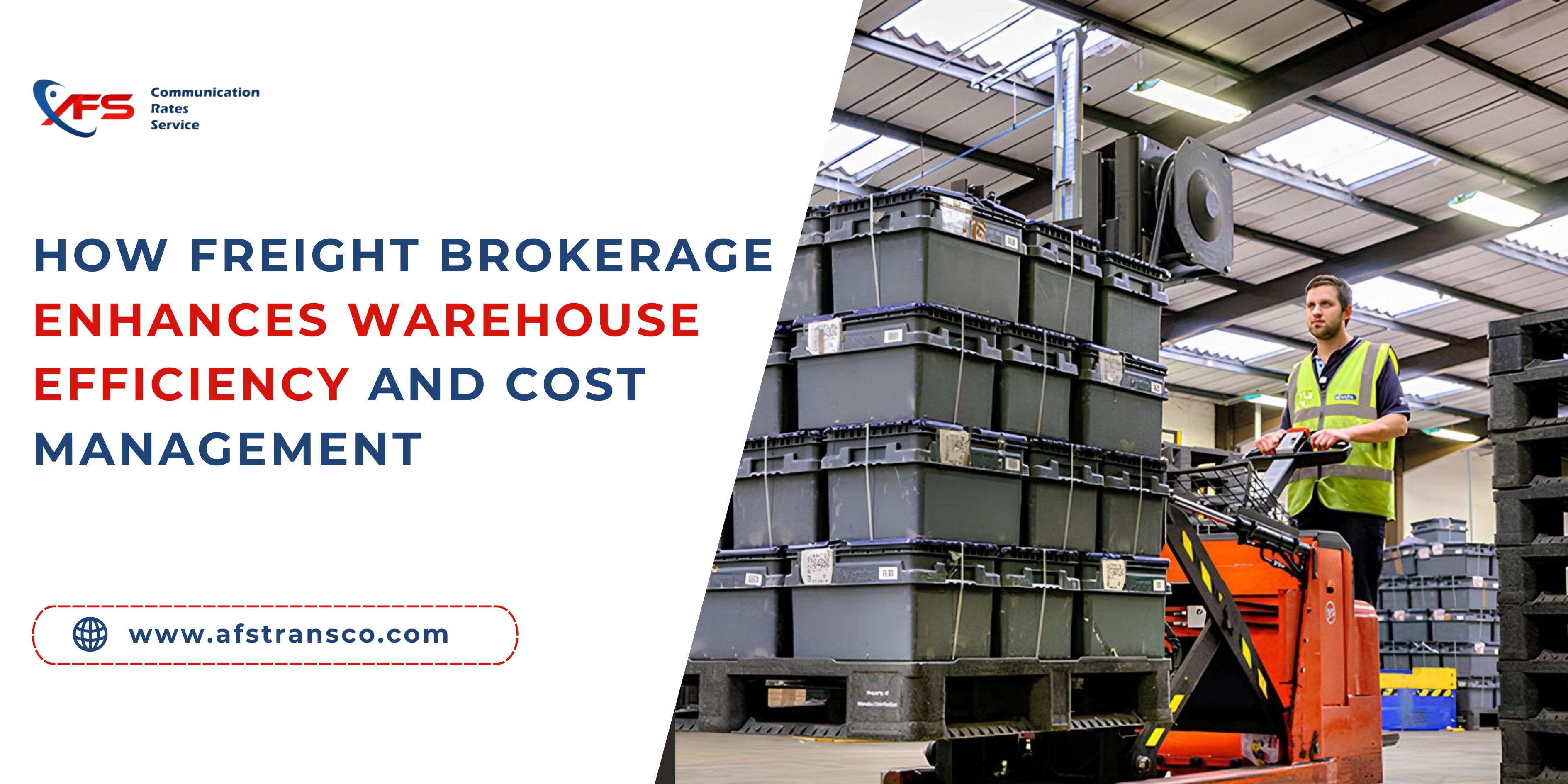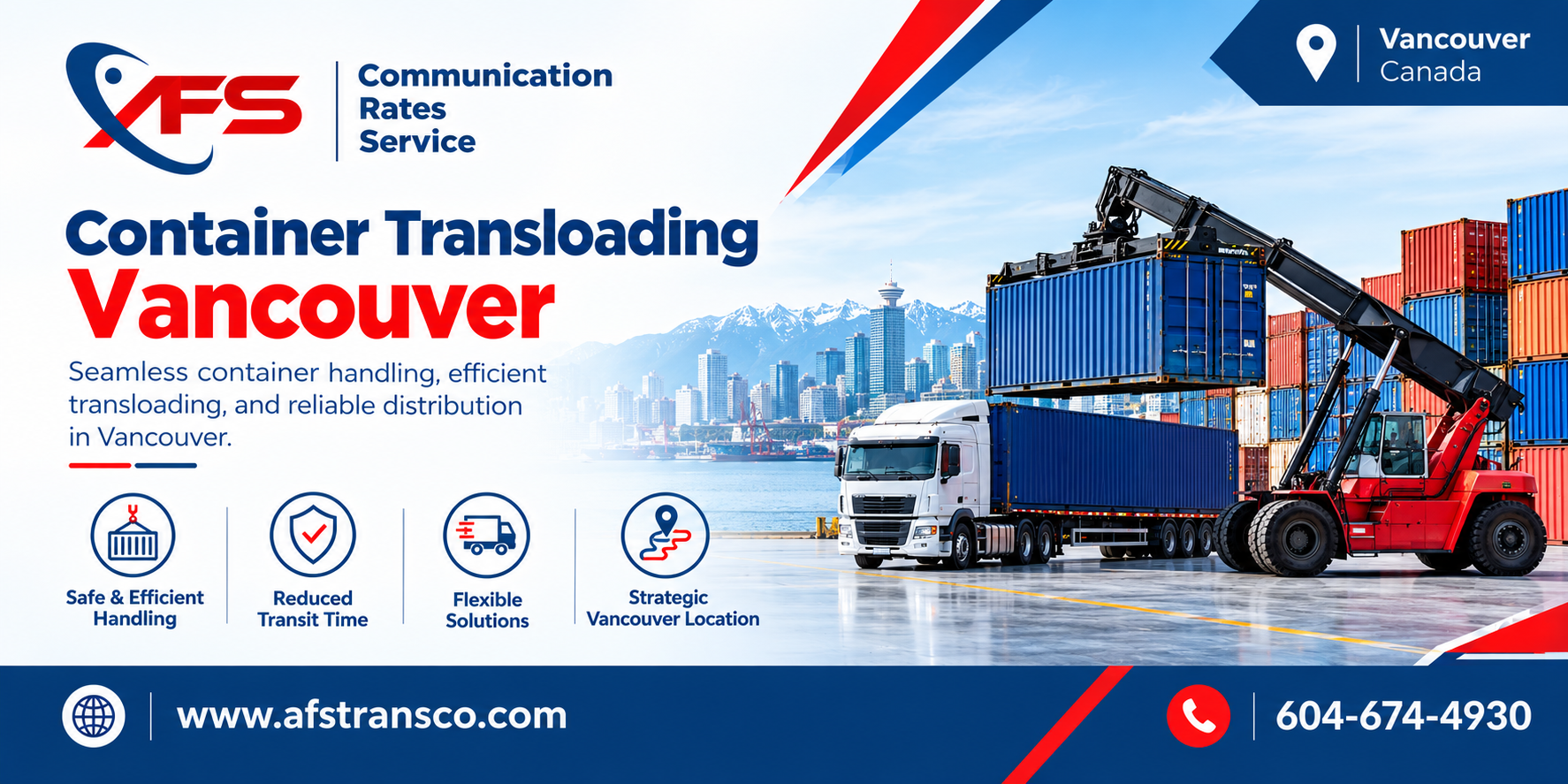
For businesses importing products through Vancouver, moving cargo from the port to its next destination requires careful planning. Ocean containers are designed for international shipping, but the same equipment may not always be suitable for inland distribution across Canada or the United States.
This is where container transloading becomes useful. Transloading involves transferring goods from one form of transportation to another, such as moving cargo from an ocean container into a domestic trailer or rail equipment.
With the right process, businesses can move imported goods from the port into the wider supply chain while also handling activities such as unloading, sorting, palletising, labelling and reloading. AFS Trans Co. provides transloading and related transportation services for businesses moving cargo through Vancouver. As a logistics trucking company, AFS Trans Co. also provides trucking, warehousing and transportation support for different freight requirements.
What Is Container Transloading?
Container transloading is the process of transferring goods from one transportation method to another. For imported cargo arriving at the Port of Vancouver, this commonly means moving goods from an ocean container into a domestic truck, trailer or rail container.
For example, a shipment may arrive in a 40-foot ocean container but need to continue its journey in a larger domestic trailer. Instead of keeping the goods in the original container, the cargo is unloaded and prepared for the next stage of transportation.
Depending on the shipment, the process may include:
- Container unloading and de-stuffing
- Cargo counting and checking
- Sorting by destination
- Palletising
- Labelling
- Repackaging
- Loading into domestic trailers
- Rail loading
- Outbound distribution
This makes container transloading Vancouver services useful for importers that need to move goods beyond the port.
How Does Container Transloading Work in Vancouver?
The exact process depends on the cargo and its destination, but most shipments follow several basic stages.
1. Container Arrival
The process starts when an ocean container arrives at a Vancouver port terminal. The necessary shipping and customs documentation must be in place before the container can be collected.
2. Port Drayage
A drayage truck collects the container from the terminal and transports it to the transloading facility. Reliable truck trailer services can support the movement of containers from the port to the facility and connect them with the next stage of distribution.
3. Container De-stuffing
At the facility, the goods are removed from the ocean container. The cargo can be checked against the packing list and prepared for the next stage of transportation.
4. Sorting and Preparation
The goods can then be sorted according to customer, destination or product type. Depending on the shipment, they may also be palletised, labelled or repackaged.
5. Reloading
The prepared goods are loaded into domestic trailers, trucks or rail equipment.
6. Outbound Distribution
The freight is then sent towards its next destination. This may involve local delivery, long-distance trucking, rail transportation or cross-border distribution.
AFS Trans Co. describes its process as including port pickup, de-stuffing, sorting, staging, labelling and outbound dispatch. Its transportation network also includes dry and reefer trailers for different freight requirements.
Why Do Businesses Use Transloading Services?
Businesses may choose transloading services Vancouver providers when imported cargo needs to move from the port into domestic transportation.
One reason is that ocean containers are primarily intended for international shipping. Once the cargo reaches Vancouver, domestic trailers or rail equipment may be better suited to the next part of the journey.
Transloading can help businesses:
- Move imported cargo into domestic transportation
- Sort shipments according to destination
- Handle LCL shipments
- Prepare goods for final distribution
- Coordinate multiple transportation methods
- Support local and long-distance deliveries
- Manage temperature-sensitive shipments when suitable facilities are available
Businesses can also use container transloading services alongside trucking and warehousing support. This can provide a connected process for transferring cargo from ocean containers into domestic trailers or other transportation equipment based on the shipment requirements.
AFS Trans Co. provides transloading between ocean containers, domestic trailers and rail intermodal, along with LCL deconsolidation and refrigerated transloading.
Transloading vs Cross-Docking vs Warehousing
These three logistics services are often confused, but they serve different purposes.
Transloading involves transferring cargo from one mode of transportation to another. An ocean container may be unloaded and the goods moved into a domestic trailer or rail container.
Cross-docking generally involves moving goods from incoming transportation to outgoing transportation with little or no storage. It is useful when freight is already prepared for its next destination.
Warehousing involves storing products at a facility for a longer period. This may include receiving, inventory management, order picking, packing and distribution.
A shipment can use more than one of these services. For example, imported goods may be transloaded from an ocean container and then placed into storage before being distributed to customers.
What Types of Cargo Can Be Transloaded?
Vancouver container transloading can support a wide range of commercial shipments. The handling process depends on the type of cargo and any specific storage or transportation requirements.
Common examples include:
- Consumer goods
- Retail products
- Furniture
- Packaged food
- Beverages
- Industrial products
- Building materials
- LCL shipments
- Perishable goods
- Temperature-sensitive products
Some shipments need additional controls. Refrigerated products, for example, may require temperature-controlled equipment during unloading and reloading.
AFS Trans Co. provides reefer container transloading for food, pharmaceutical and perishable cargo, including temperature monitoring during the process.
The Role of LCL Deconsolidation
Not every importer needs a full container for its shipment. Less-than-Container-Load shipments allow cargo from different businesses to share a container.
Once a consolidated container reaches Vancouver, the individual shipments need to be separated before they can be delivered to their respective destinations.
This process is known as LCL deconsolidation.
It can involve:
- Receiving the consolidated container
- Unloading individual shipments
- Checking cargo against documentation
- Separating consignments
- Repackaging or palletising
- Labelling individual shipments
- Arranging final delivery
For importers working with several overseas suppliers, having these services available at one facility can make the movement of smaller shipments easier to coordinate. AFS Trans Co. states that its facility can receive consolidated LCL containers, separate consignments and arrange outbound delivery.
Why Location Matters for Vancouver Transloading
The location of a transloading facility can have a direct effect on how containers move from the port to the next stage of the supply chain.
Vancouver has several major container terminals, including Deltaport, Centerm and Vanterm. A facility located with convenient access to these terminals can help with container pickup and onward movement.
AFS Trans Co. states that its Surrey and Delta facility is approximately 15 minutes from Deltaport and around 25 minutes from Centerm and Vanterm. The company also dispatches to these terminals and provides port drainage and transloading services.
Access to road and rail connections is also important for businesses moving cargo beyond British Columbia.
What Should You Look for in a Transloading Provider?
Before selecting a port transloading services provider, businesses should consider the full transportation process rather than only the unloading service.
Important factors include:
- Location near major port terminals
- Container de-stuffing capabilities
- Trucking availability
- Truck trailer services for domestic transportation
- Rail connections
- LCL handling
- Warehousing options
- Refrigerated cargo handling
- Palletising and labelling
- Inventory tracking
- Local distribution
- Cross-border transportation
It can also be useful to work with a provider that offers both transportation and warehousing services. A logistics trucking company with multiple transportation options can help businesses coordinate different stages of cargo movement through one service provider.
AFS Trans Co. offers trucking, intermodal, warehousing and transloading services as part of its broader freight and logistics operations.
How Transloading Supports the Supply Chain
Freight transloading connects international shipping with domestic distribution. Instead of keeping imported goods in an ocean container throughout their journey, businesses can transfer the cargo into transportation equipment that suits the next stage.
For example, goods arriving from Asia may be unloaded in Vancouver, transferred into a domestic trailer and transported towards Calgary, Edmonton or another Canadian destination.
For longer routes, rail can also be used alongside trucking. AFS Trans Co. provides connections between port operations, trucking and rail transportation for inland distribution.
Choosing the Right Transloading Solution
The right transloading process depends on the type of cargo, shipment volume, destination and delivery schedule.
Businesses should consider whether they need additional services such as storage, palletising, labelling, LCL handling, inventory management or temperature-controlled transportation.
It can also be helpful to consider whether the provider offers related container transloading services, trucking and warehouse support under one operation. This can make it easier to coordinate cargo movement between different stages of the supply chain.
AFS Trans Co. provides transloading, warehousing, trucking and related logistics services for businesses moving cargo through Vancouver and other Canadian locations. The company has more than 15 years of experience in freight, trucking and warehousing services.
Conclusion
Container transloading helps businesses move imported goods from Vancouver ports into the wider Canadian and North American supply chain. By transferring cargo from ocean containers into domestic trucks, trailers or rail equipment, businesses can prepare shipments for their next destination.
The right solution depends on cargo type, shipment size, destination, timing and handling requirements. AFS Trans Co. provides container transloading services, truck trailer services, de-stuffing, LCL handling, trucking and warehousing support for different freight requirements.
As a logistics trucking company, AFS Trans Co. connects transportation and warehouse services to support the movement of cargo through Vancouver and other Canadian locations.
FAQs
1. What are container transloading services in Vancouver?
Container transloading services involve transferring goods from ocean containers into domestic trailers, trucks or rail equipment for onward transportation.
2. What is container de-stuffing?
Container de-stuffing is the process of removing goods from a shipping container. The cargo can then be checked, sorted, palletised, labelled or prepared for its next destination.
3. What is the difference between transloading and cross-docking?
Transloading involves transferring cargo between different transportation methods, while cross-docking generally moves incoming freight directly to outbound transportation with little or no storage.
4. Can refrigerated goods be handled through transloading?
Yes. Refrigerated and temperature-sensitive goods can be transloaded when the facility has suitable equipment, temperature monitoring and handling procedures. AFS Trans Co. provides reefer container transloading for temperature-sensitive cargo.
5. How can a business choose the right transloading provider?
Businesses should consider the provider's location, port access, cargo handling capabilities, trucking and rail connections, storage options and experience with the type of freight being shipped. Providers offering transportation and warehousing services together can also support different stages of the supply chain.