Quick Answer
Cross docking warehousing moves freight straight from an inbound truck to an outbound truck, with little or no storage in between. Furniture shippers use it to speed up delivery, cut storage costs and reduce the number of times a bulky piece is handled.
In short: Cross docking suits fast-moving, predictable freight. Slower or fragile ranges are usually better held in dedicated warehouse storage. Many furniture businesses use both.
Introduction
A sofa that spends three weeks on a warehouse shelf costs money every day. A sofa that spends three hours on a dock and then leaves on the right truck costs far less.
That difference is the appeal of cross docking. It is not new, but it is often misunderstood, particularly in furniture, where pieces are large, awkward and easy to mark.
This guide explains how cross docking works, where it helps and where it does not, and how it sits alongside storage. If you want background on who we are before reading on, start at the AFS Trans Co. home page.
What Is Cross Docking Warehousing?
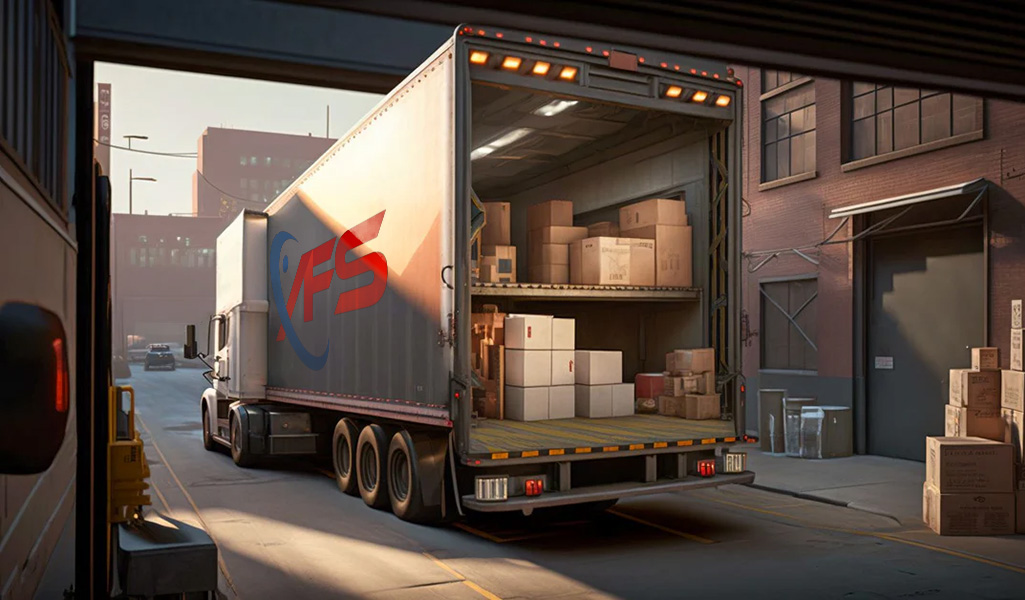
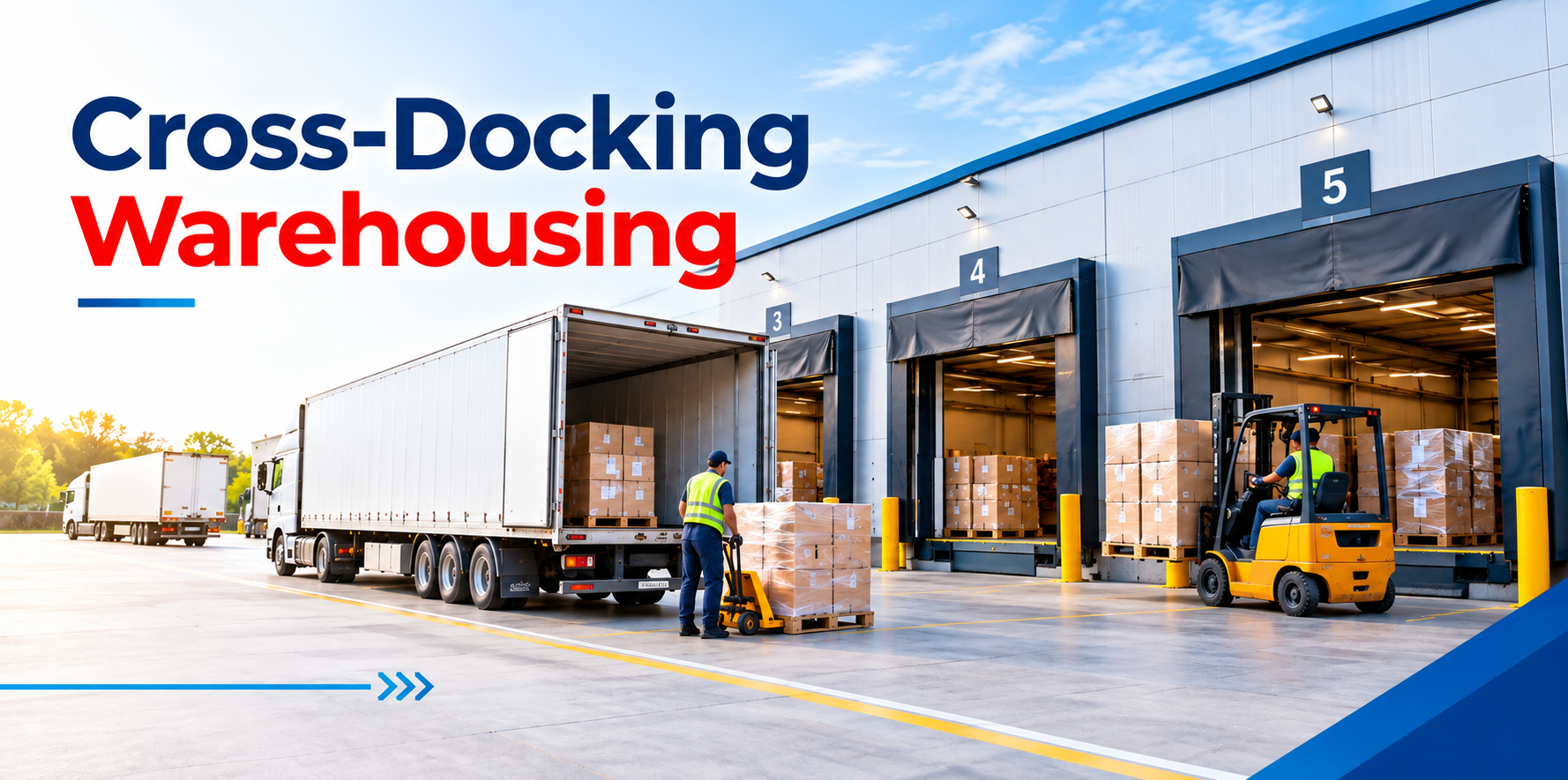
In a standard warehouse, goods arrive, are put into storage, remain there until needed, and are then picked and shipped. In cross docking, the storage stage is largely eliminated. Freight is unloaded, sorted by destination and transferred to outbound vehicles, often within hours.
Think of it as a relay hand-off rather than a stop. The warehouse acts as a transfer point rather than a long-term storage location.
The Three Common Types
Continuous (One-Touch) Cross Docking: Freight moves directly from inbound to outbound transport with minimal sorting or handling. For example, a pallet of flat-pack desks can move straight to a retail depot without being placed into long-term storage.
Consolidation Cross Docking: Products from multiple suppliers are combined into one outbound shipment. For example, a sofa, coffee table and rug from different manufacturers can be grouped into a single delivery.
Deconsolidation Cross Docking: A large inbound shipment is divided into smaller loads for different destinations. For example, a container of dining sets can be split into separate shipments for regional stores.
Consolidation is especially useful when a customer orders several items from different suppliers. It means one delivery instead of three, which is better for the customer and for your costs.
Why Furniture Shippers Use Cross Docking
Furniture takes up a lot of space for its value. Storage charges add up quickly, so anything that shortens the time on the floor helps.
- Lower storage costs. Less time in the building means fewer days of space to pay for.
- Fewer touches. Every extra lift or move is another chance for a scuff or dent.
- Faster delivery. Freight keeps moving, so customers wait less.
- Order completeness. Related pieces can be matched up and delivered together.
- Better use of floor space. The dock stays clear for the next arrival.
EXPERT TIP
Ask for a "touch count" on any furniture route. It is the number of times a piece is handled between pickup and delivery. A lower count usually means a lower damage risk.
When Cross Docking Does Not Work Well
It is not the answer to everything. Cross docking relies on tight timing. If the inbound load is late, the outbound truck may leave half empty or wait.
It tends to struggle in these situations:
- Seasonal ranges that arrive months before they sell.
- Made-to-order pieces that need finishing or inspection before release.
- Slow-moving items that cannot be matched to an outbound order.
- Freight with missing or unclear paperwork, which cannot be sorted quickly.
In those cases, storage is the better tool.
Cross Docking vs Dedicated Warehousing
Cross docking and dedicated warehousing serve different purposes. The right approach depends on how quickly your products need to move and how long they need to remain in storage.
Dedicated Warehousing: Dedicated warehousing means having space reserved exclusively for your stock, managed by a team familiar with your products. It is suitable for furniture that needs to be stored, inspected, assembled into orders or prepared for scheduled deliveries. For many furniture businesses, dedicated warehouse storage provides a reliable base for inventory management, while cross docking handles shipments that need to move quickly.
Cross Docking: Cross docking focuses on transferring incoming goods directly to outbound vehicles with minimal storage time. It works well for predictable shipments, fast-moving products and deliveries that can be coordinated in advance.
Key Differences Between Cross Docking and Dedicated Warehousing
Time in the Facility: Cross-docked goods typically remain in the facility for hours or a short period, while dedicated warehousing accommodates inventory for days, weeks or months.
Best Use: Cross docking suits fast-moving, predictable freight. Dedicated warehousing is better for seasonal furniture, bulky products and slower-moving stock.
Storage Costs: Cross docking can reduce storage requirements, while dedicated warehousing involves ongoing costs for reserved space and inventory management.
Handling Requirements: Cross docking minimises handling and storage, whereas dedicated warehousing allows time for inspections, order preparation and kitting.
Flexibility: Cross docking depends on accurate scheduling and coordination. Dedicated warehousing provides greater flexibility when products need to remain available until an order is ready.
A common approach is to keep slower-selling furniture lines in dedicated storage while moving fast-selling products through cross-docking operations. For more shipping and warehousing advice, visit the AFS Trans Co. blog.
How Tracking Keeps Cross Docking on Schedule
Cross docking lives or dies on timing. If you cannot see where the inbound truck is, you cannot plan the outbound one.
This is where visibility matters. Systems such as AFS freight tracking let you follow a load before it reaches the dock and confirm when it leaves. You can see delays early and adjust, instead of finding out when the truck is already late.
What to Monitor
- Inbound arrival time against the booked appointment.
- Dock time, meaning how long freight stays before reloading.
- Outbound departure and estimated delivery.
- Exceptions such as damage, shortages or missing documents.
EXPERT TIP
Set an alert for any shipment that sits on the dock longer than your target time. If a piece lingers, something has gone wrong and it needs a human to look at it.
Protecting Furniture on the Dock
Speed is useful, but not if it costs you a scratched table. Good cross docking pays as much attention to handling as to pace.
Simple Practices That Make a Difference
- Use blanket wrap, corner guards and strapping before freight reaches the dock.
- Label every piece clearly with the order number, destination and piece count.
- Keep fragile and upholstered items away from heavy forklift traffic.
- Stage freight by outbound route, so it is not moved twice.
- Photograph any damage on arrival, with the time and date.
For upholstered furniture, keep freight dry and off the floor. Moisture and dirt are as damaging as impact.
NOT SURE WHICH APPROACH FITS?
If you are weighing cross docking against longer-term storage, our team can look at how your furniture moves and suggest a practical setup. Visit AFS Trans Co. to start the conversation.
A Quick Checklist Before You Start
- Map your product lines by speed: fast, steady and slow.
- Decide which lines suit the dock and which need storage.
- Check that your supplier paperwork and labels are consistent.
- Agree on appointment windows with inbound and outbound carriers.
- Set up tracking and alerts for every leg of the journey.
- Review damage and on-time figures every month.
Frequently Asked Questions
What Is Cross Docking Warehousing in Simple Terms?
It is a method where freight is moved from an incoming truck to an outgoing truck with little or no storage. The warehouse acts as a transfer point rather than a place to keep stock.
How Long Does Freight Stay in a Cross Dock?
Typically from a few hours to a day or two, depending on the schedule. If freight stays much longer, it is effectively being stored.
Is Cross Docking Suitable for Furniture?
Yes, particularly for fast-moving, palletised or well-packed items. It is less suitable for custom, seasonal or slow-selling pieces, which are often better placed in dedicated warehouse storage.
What Is the Difference Between Cross Docking and Dedicated Warehousing?
Cross docking keeps freight moving. Dedicated warehousing keeps your stock in reserved space for as long as you need it. Many businesses use both.
Can I Track Freight Through a Cross Dock?
In most cases, yes. Tracking tools can show inbound arrival, dock time and outbound departure. Ask your provider what status updates are available for your lane.
Does Cross Docking Reduce Damage?
It can, because freight is handled less. The benefit depends on good packing, clear labels and careful dock practice.
Conclusion
Cross docking warehousing is a practical way to keep furniture moving, trim storage costs and reduce handling. It works best on steady, predictable freight and when you can see each shipment from start to finish.
For everything else, dedicated warehousing gives you the space and control you need. The best setups use both, matched to how each product line actually sells.
Ready to move freight faster?
Talk to AFS Trans Co. about cross docking, dedicated warehouse storage and shipment visibility for your furniture business. Visit our website to get in touch.