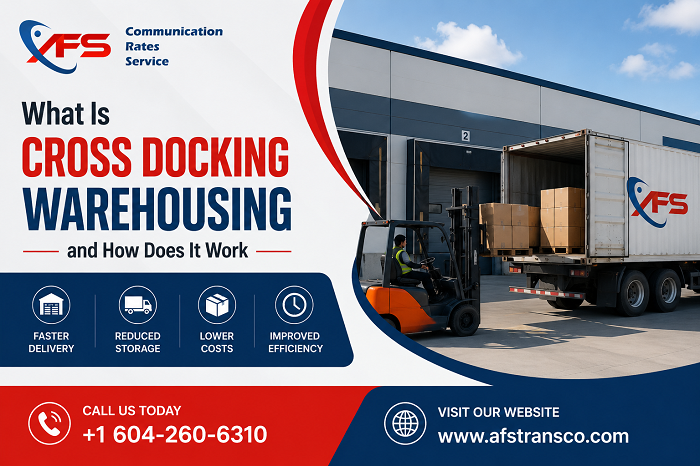
If you've ever wondered how a truckload of goods can leave a distribution center just hours after it arrives, without ever touching a storage shelf, you've stumbled onto one of the most efficient ideas in modern logistics. It sounds almost too simple to work: unload one truck, sort the freight, load it onto another truck, and send it right back out the door. Yet this straightforward concept has quietly become one of the biggest cost-savers in the supply chain world, and it's changing the way businesses think about storage, speed, and customer satisfaction.
For companies dealing with perishable goods, retail inventory, or anything with a tight delivery window, traditional warehousing can feel like a bottleneck. Products sit on shelves, racking up storage fees, while customers wait longer than they should. That's where this alternative approach comes in, offering a leaner, faster way to move products from origin to destination.
In this post, we'll break down what this method actually involves, how it functions on a practical level, and why so many logistics providers, including AFS Trans Co., have leaned into it as a core part of their operations. Whether you're a small business owner trying to cut shipping costs or a supply chain manager exploring new efficiencies, this guide will give you a grounded, real-world understanding of the process.
What Does Cross Docking Warehousing Actually Mean?
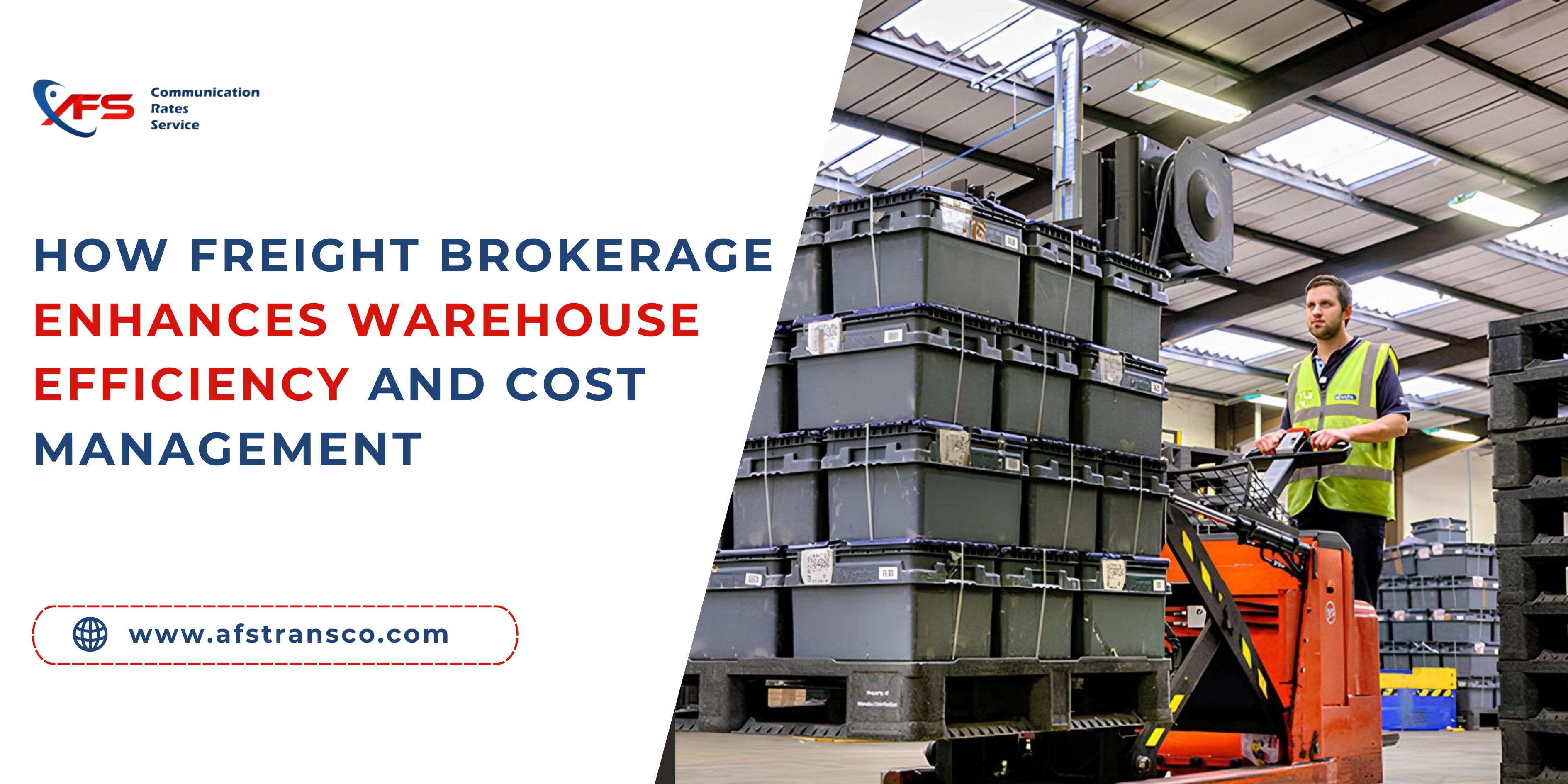
At its core, Cross Docking Warehousing is a logistics practice where incoming goods from a supplier or manufacturer are unloaded from one vehicle and loaded almost immediately onto outbound trucks, with little to no time spent in storage. Instead of the traditional warehouse model where products are received, shelved, tracked, and eventually picked for shipment, this method strips out the middle steps entirely.
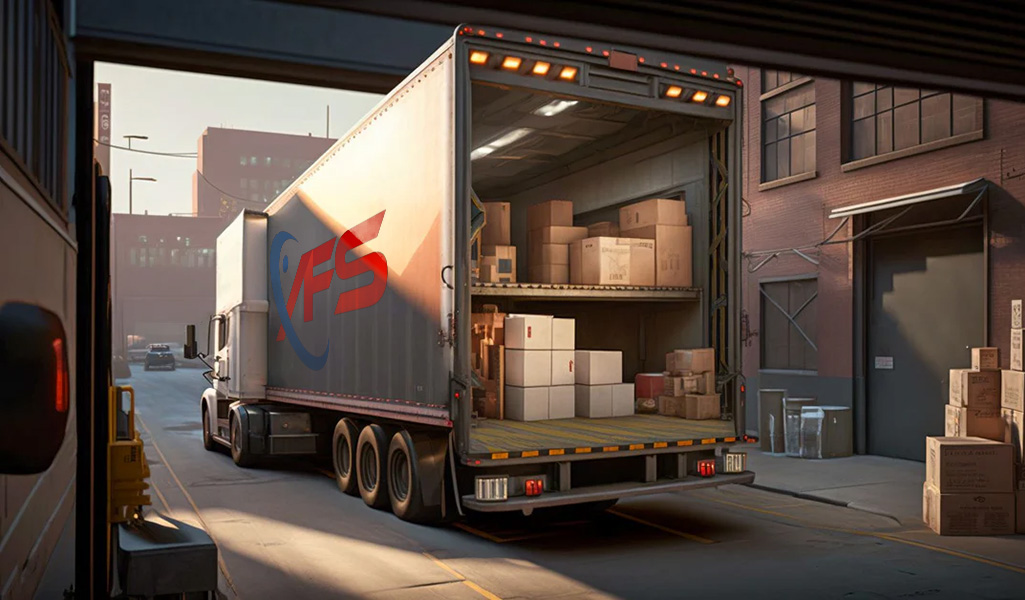
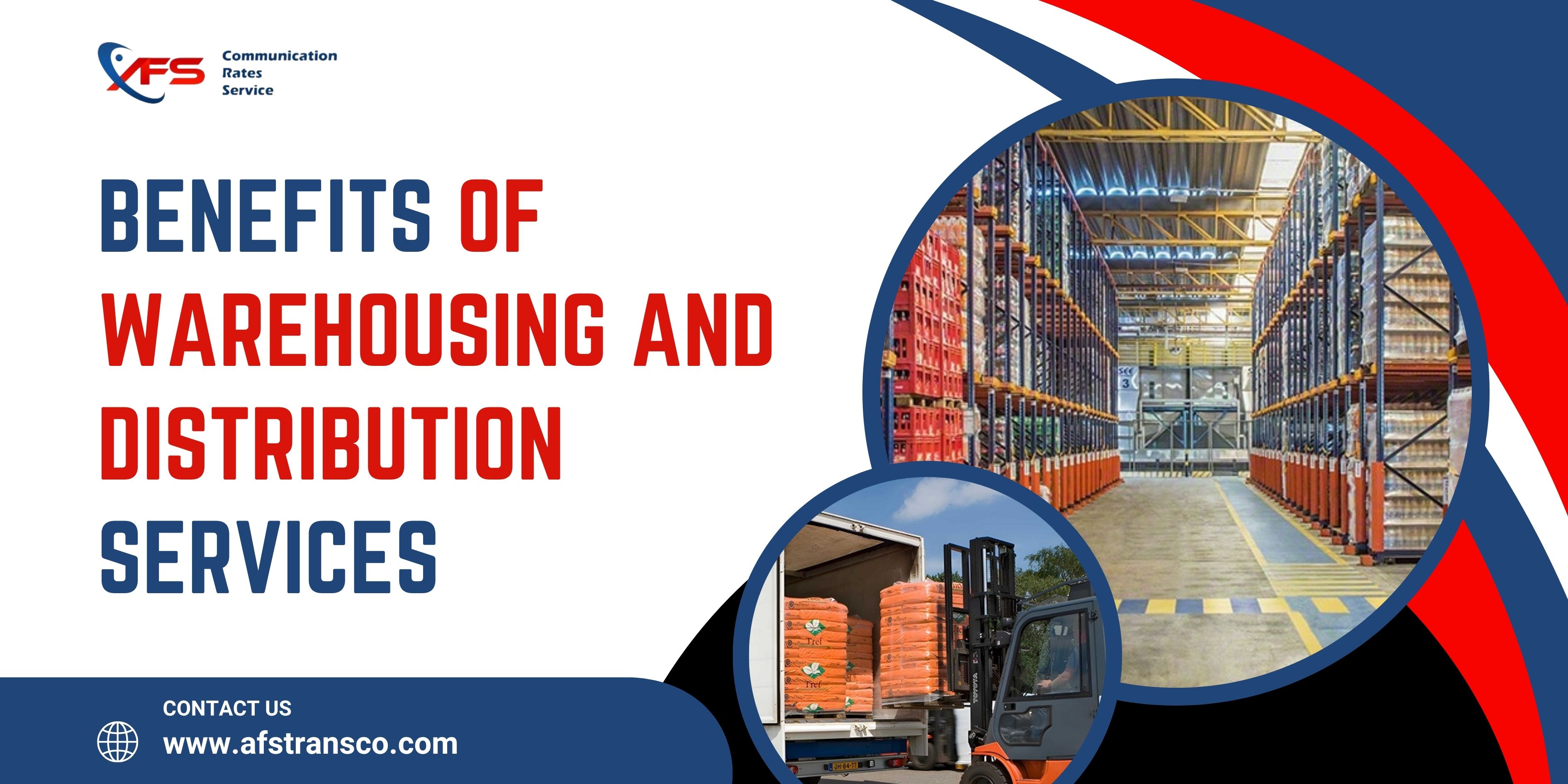
Picture a distribution hub as a giant switchboard. Trucks pull in from various suppliers, drop off pallets or boxes, and within a matter of hours (sometimes even minutes) those same goods are sorted, consolidated, and rerouted onto different trucks heading to their final destinations. There's no long-term storage involved. The warehouse essentially acts as a transfer point rather than a holding facility.
This isn't a new idea by any means. Retail giants and grocery chains have used variations of this technique for decades, particularly for perishable items like produce and dairy that simply can't sit around for days. But as e-commerce has exploded and customer expectations for fast delivery have skyrocketed, more industries are adopting this model to stay competitive.
Why Businesses Are Paying Attention Now
Consumer patience has shrunk dramatically over the past decade. People expect their online orders within a day or two, sometimes even same-day. That kind of speed simply isn't possible if products are sitting in storage for weeks at a time. Companies that once relied heavily on traditional warehousing are now restructuring their supply chains to reduce dwell time, and this approach happens to be one of the most effective tools for doing exactly that.
How Does the Process Actually Work?
Understanding the mechanics behind this system helps clarify why it's so valuable. Let's walk through it step by step, the way it typically unfolds in a real distribution center.
Step 1: Inbound Arrival
Trucks arrive at the facility carrying goods from various suppliers or manufacturing plants. These shipments are often pre-labeled and pre-sorted before they even reach the dock, which speeds things up considerably once they arrive.
Step 2: Unloading and Sorting
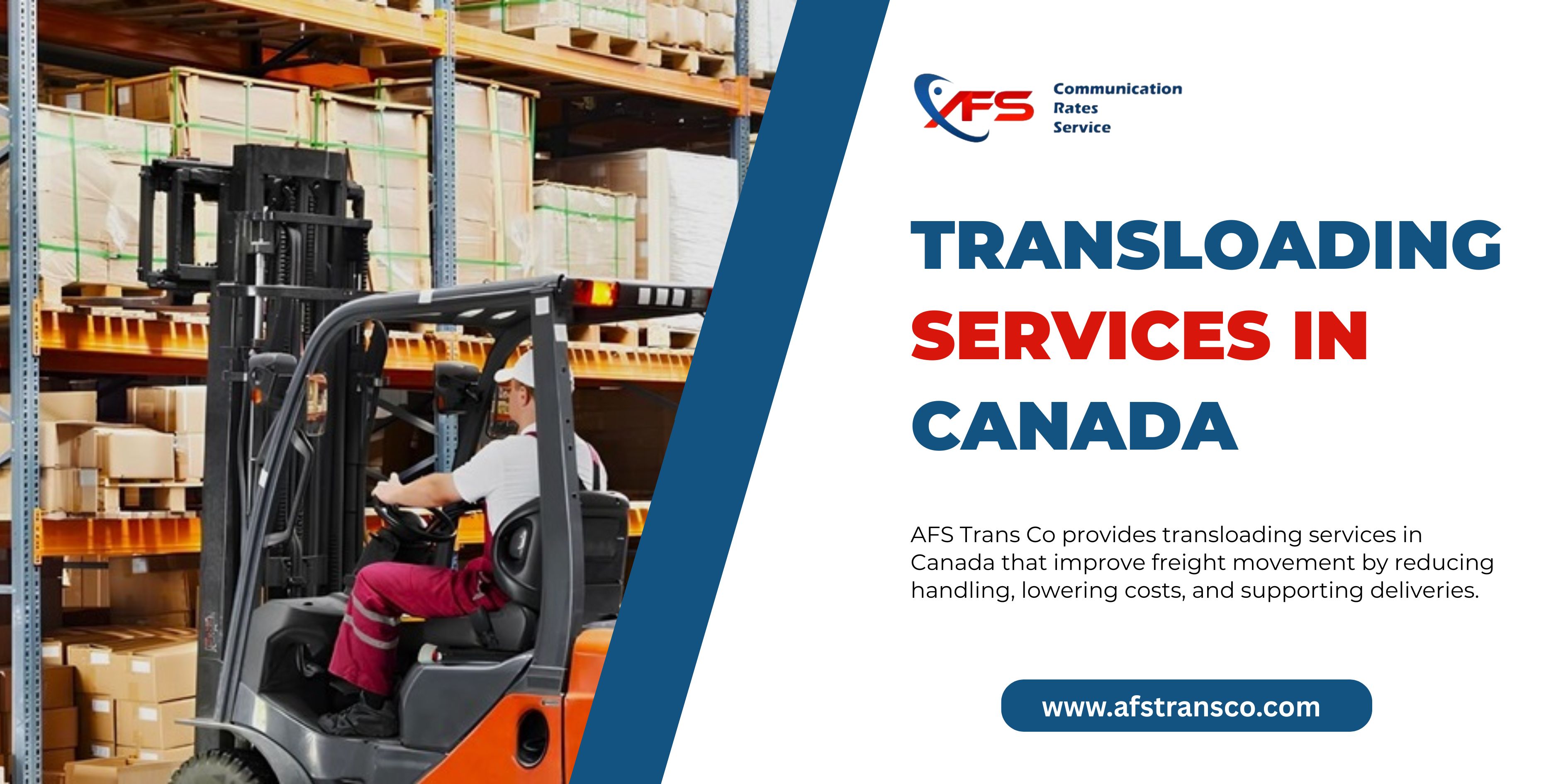
Workers, or in more advanced facilities, automated conveyor systems, unload the freight and begin sorting it based on final destination. This is arguably the most critical part of the entire operation. Mistakes here can cause delays further down the chain, so accuracy matters more than almost anything else in this step.
Step 3: Staging
Once sorted, goods are staged near the appropriate outbound dock. This staging period is usually brief, sometimes just a few hours, and it's the closest thing to "storage" that happens in this entire process.
Step 4: Loading Outbound Vehicles
Finally, the sorted goods are loaded onto outbound trucks that are heading toward their final destinations, whether that's a retail store, another distribution hub, or directly to a customer's doorstep.
The entire cycle, from inbound arrival to outbound departure, can happen within a single day. Some highly optimized facilities manage it in a matter of hours. It's a tightly choreographed dance that requires precise timing, strong communication between transportation partners, and a facility layout designed specifically for rapid movement rather than static storage.
The Role of Technology in Making It Work
None of this would be possible without solid technology backing it up. Warehouse management systems (WMS) track inventory in real time, coordinate dock scheduling, and ensure that outbound trucks are ready the moment sorted goods arrive at their staging area. Barcode scanning and RFID tagging help reduce human error during the sorting phase, which is crucial given how little room there is for delay once freight hits the dock.
Companies like AFS Trans Co. have invested heavily in these kinds of systems because even a small hiccup in coordination can throw off an entire day's worth of shipments. When you're operating on tight timelines with little buffer room, technology isn't optional. It's the backbone that keeps everything running smoothly.
The Different Types You Should Know About
Not all cross docking operations look the same. Depending on the industry and the specific goods being handled, businesses tend to use one of a few different models.
Manufacturing Cross Docking involves receiving and consolidating inbound parts to support just-in-time production. Car manufacturers, for instance, often rely on this to keep assembly lines stocked without maintaining massive parts inventories.
Transportation Cross Docking combines shipments from multiple carriers into fuller, more cost-efficient loads. This is common in less-than-truckload (LTL) freight operations where consolidating smaller shipments saves everyone money.
Retail Cross Docking pre-allocates products for specific stores before they even arrive at the distribution center, which is why some retail shelves get restocked so quickly after a shipment lands.
Opportunistic Cross Docking happens on a case-by-case basis when a warehouse notices that an item currently in storage matches an outgoing order, so it gets pulled and shipped immediately rather than waiting for its scheduled pick.
Each model serves a different purpose, but they all share the same underlying goal: reduce the time products spend sitting still.
Benefits That Go Beyond Just Speed
While faster delivery is the most obvious perk, there's a lot more happening beneath the surface. Reduced storage needs mean lower overhead costs, since businesses aren't paying for square footage to hold inventory that isn't moving. Labor costs drop too, since there's less need for extensive picking and put-away processes that traditional warehousing demands.
There's also a noticeable reduction in inventory handling, which directly translates to fewer damaged goods. Every time a product gets touched, moved, or shelved, there's a small risk of it getting dented, dropped, or otherwise mishandled. Minimizing those touchpoints protects product quality, something that matters enormously for fragile or perishable items.
And honestly, there's something satisfying about efficiency done well. Watching a well-run cross dock facility operate is almost like watching a well-oiled machine, everything has its place, its timing, its purpose. It reflects a level of operational discipline that benefits everyone in the chain, from the supplier all the way down to the end customer.
Challenges Worth Considering
Of course, this approach isn't a perfect fit for every business. It requires precise coordination between suppliers and carriers, since even minor delays on the inbound side can throw off the entire outbound schedule. Facilities need to be strategically located, often near major transportation hubs, to make the rapid turnaround feasible.
There's also less room for error. Traditional warehousing offers a buffer, since products sitting in storage give you time to correct mistakes. With this faster model, that buffer largely disappears, which means quality control and accurate sorting become even more important.
Businesses considering this shift should honestly assess whether their supply chain volume and consistency can support it. It tends to work best for companies with predictable, high-volume shipments rather than those with sporadic or highly variable order patterns.
Final Thoughts
At the end of the day, cross docking warehousing represents a fundamental shift in how businesses think about the movement of goods. Rather than treating warehouses as storage vaults, this approach treats them as transit points, places where speed and coordination matter far more than square footage and shelving.
For businesses trying to keep pace with rising customer expectations, cutting unnecessary storage costs, and reducing product handling damage, this method offers a genuinely compelling solution. It's not the right fit for every operation, but for those with the volume and consistency to support it, the payoff in speed and cost savings can be substantial.
Companies like AFS Trans Co. continue to refine these processes, blending smart technology with experienced logistics planning to keep freight moving efficiently from origin to destination. As supply chains keep evolving and customer patience keeps shrinking, it's safe to say this approach isn't going anywhere. If anything, it's only going to become a bigger part of how goods move around the world.
Whether you're just starting to explore your logistics options or you're looking to streamline an already established supply chain, understanding how this process works is a solid first step toward making smarter, faster, and more cost-effective shipping decisions.
Frequently Asked Questions About Cross Docking Warehousing
Everything you need to know about cross docking and how it works.