Quick Answer
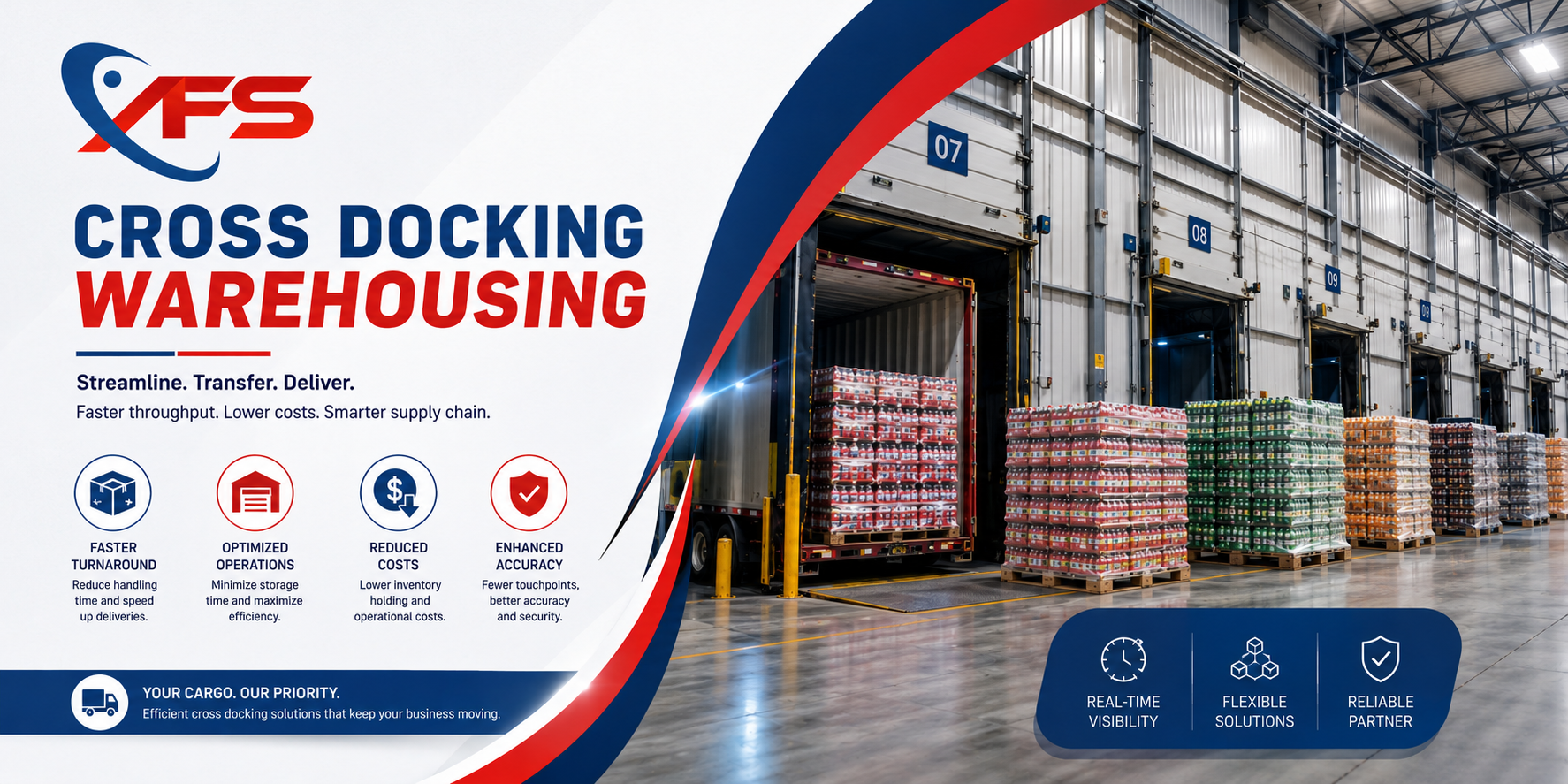
Cross docking warehousing is a logistics process where incoming freight is unloaded, sorted, consolidated, and transferred directly to outbound transportation with little or no long-term storage. It can reduce handling time, improve freight flow, and help businesses move products more efficiently through their supply chain. When combined with container transloading services and temperature-controlled storage, it can also support time-sensitive and perishable freight.
Introduction
Moving freight efficiently is not always about finding more warehouse space. In many supply chains, the bigger challenge is keeping products moving without unnecessary delays, repeated handling, or extended storage.
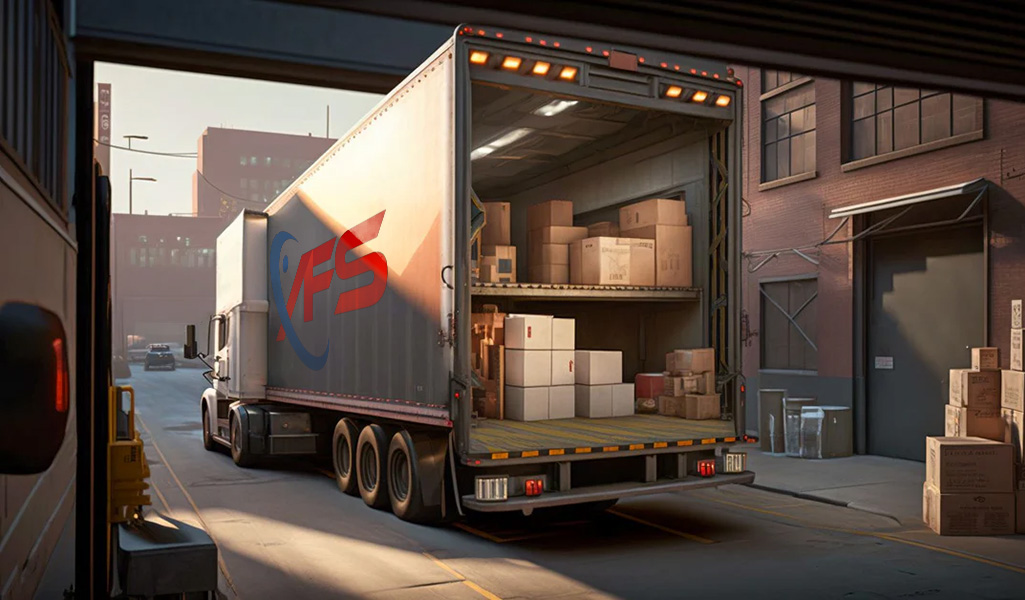
Cross docking warehousing offers a practical way to manage that flow. Instead of receiving products and placing them into long-term storage, freight can move through a facility, be sorted according to its next destination, and quickly loaded onto outbound trucks.
For businesses managing imports, retail distribution, food and beverage shipments, or temperature-sensitive freight, this approach can help connect transportation and warehousing into a more coordinated operation.
What Is Cross Docking Warehousing?
Cross docking warehousing is a distribution method in which inbound freight arrives at a facility and is transferred to outbound transportation with minimal storage time. The facility acts as a transfer point rather than a traditional long-term storage location.
The process may be simple for a single inbound shipment moving to one outbound truck, or more complex when freight must be sorted, consolidated, deconsolidated, labeled, or routed to several destinations.
The basic goal is the same: reduce unnecessary dwell time while maintaining accurate control over the freight.
How Cross Docking Works
1. Freight Arrives
Goods arrive by truck, rail, or container and are checked against shipping documents and handling instructions.
2. Cargo Is Unloaded and Verified
Teams inspect the shipment, count units where required, and identify any visible damage or exceptions before the freight moves further.
3. Freight Is Sorted or Consolidated
Products may be separated by destination, customer, route, temperature requirement, or transportation mode. Smaller shipments can also be consolidated into more efficient outbound loads.
4. Outbound Transportation Is Scheduled
The freight is assigned to the next truck, rail connection, or other transportation mode based on delivery requirements.
5. Freight Moves Out
Once loaded, the shipment continues toward its next distribution point or final destination.
Why Businesses Use Cross Docking Warehousing
The main advantage is speed. Traditional warehousing requires receiving, put-away, storage, order picking, and loading. Cross docking can remove or reduce several of those steps when the shipment is already allocated to an outbound destination.
- Reduced time spent in storage
- Fewer product touches and less repeated handling
- Faster movement from inbound freight to outbound transportation
- Potentially lower storage and labor costs
- Better consolidation of shipments going to similar destinations
- Useful support for time-sensitive distribution
The benefits depend on good scheduling and reliable communication. Cross docking is not automatically the right choice for every product or supply chain.
Cross Docking and Transportation Planning
A cross dock only works well when inbound and outbound transportation are coordinated. If the inbound shipment arrives late or the outbound truck is unavailable, freight may remain at the facility longer than planned.
Transportation planning should account for arrival windows, unloading capacity, destination routes, shipment size, equipment requirements, and delivery deadlines. Full truckload, less-than-truckload, dedicated capacity, and intermodal options may all play a role.
For businesses moving freight through major gateways, cross docking can connect warehouse operations directly with regional and long-haul transportation.
Container Transloading Services and Cross Docking
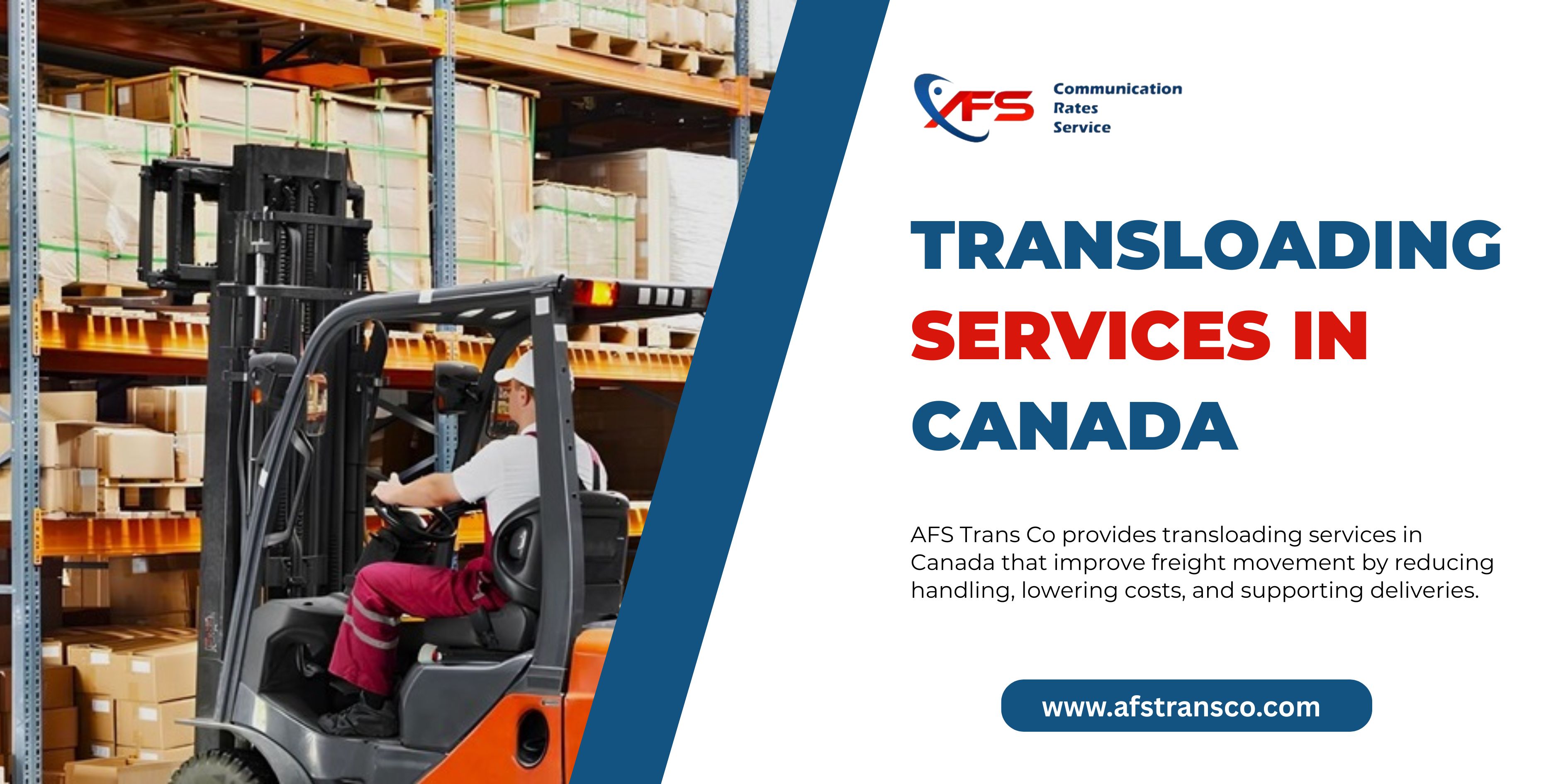
Container transloading services often work alongside cross docking warehousing, especially when imported goods need to change transportation modes. Freight may arrive in an ocean container and be transferred into domestic trailers, rail equipment, or smaller shipments for regional distribution.
This can be useful when a container holds products for multiple destinations or when the next transportation mode requires a different type of equipment.
A typical operation may include:
- Unloading freight from an ocean container
- Verifying and separating individual shipments
- Palletizing, labeling, or preparing cargo for onward movement
- Consolidating compatible freight for outbound transportation
- Loading dry van or reefer trailers
- Coordinating rail or trucking connections
For importers, the combination of container transloading services and cross docking can help reduce unnecessary storage between the port and the next transportation leg.
When Refrigerated Warehousing Is Part of the Process
Not all cross docking operations involve dry freight. Food, beverages, pharmaceuticals, and other temperature-sensitive products may require refrigerated warehousing during transfers or short holding periods.
Refrigerated warehousing can support inbound and outbound freight when products need controlled conditions before continuing their journey. The focus is not necessarily long-term storage. In some cases, the facility provides a controlled environment for inspection, sorting, consolidation, or scheduling between transportation legs.
With refrigerated warehousing and storage, timing becomes even more important. Product requirements, equipment availability, loading procedures, and temperature monitoring must be considered throughout the operation.
Expert Tip: Plan the Temperature Chain Before Freight Arrives
For temperature-sensitive products, do not treat cold storage as an afterthought. Confirm the required temperature range, equipment type, handling instructions, arrival time, and outbound schedule before the shipment reaches the facility. A coordinated plan reduces unnecessary exposure during unloading and reloading.
Which Businesses Can Benefit From Cross Docking?
Cross docking can support many industries, although the process should be adapted to the freight itself. Common examples include:
- Retail and consumer goods distribution
- Food and beverage logistics
- E-commerce and regional fulfillment
- Imported freight moving from containers into domestic transportation
- Automotive and manufacturing supply chains
- Temperature-sensitive and perishable products
- Businesses distributing freight to multiple locations
The best candidates usually have predictable shipment flows, clear destination information, and transportation schedules that can be coordinated in advance.
Cross Docking vs. Traditional Warehousing
Traditional warehousing is designed to hold inventory until it is needed. Cross docking is designed to keep freight moving. One is not necessarily better than the other because each serves a different purpose.
Businesses with seasonal inventory, uncertain demand, or long-term stock requirements may need dedicated storage. Companies with predictable distribution schedules and pre-assigned outbound destinations may benefit more from a cross-dock model.
Many supply chains use both. Products may move through cross docking when speed is the priority, while other inventory remains in storage until customer demand requires fulfillment.
How to Build an Effective Cross Docking Process
Start With Accurate Shipment Information
The facility should know what is arriving, when it is expected, how it is packaged, and where it needs to go next. Incomplete information creates delays at the receiving stage.
Coordinate Inbound and Outbound Capacity
Dock space, labor, forklifts, trailers, and transportation capacity should be planned around expected shipment volumes. A cross dock becomes less efficient when freight waits for basic resources.
Use Clear Freight Identification
Labels, shipment references, destination instructions, and handling requirements should remain clear throughout the transfer. This is particularly important when several customers or destinations are handled at the same time.
Prepare for Exceptions
Damaged freight, late arrivals, incorrect counts, and missed appointments can happen. A practical process should define how exceptions are reported and how affected freight is held or redirected.
Review Performance Regularly
Monitor dwell time, loading accuracy, missed appointments, freight damage, and outbound delivery performance. These measures can help identify where the process needs improvement.
Common Challenges and How to Avoid Them
Cross docking requires coordination, so the most common problems usually come from poor timing or incomplete communication.
- Late inbound shipments can cause outbound delays. Use appointment scheduling and shipment visibility where possible.
- Incorrect labels can send freight to the wrong destination. Verify shipment identification before loading.
- Limited dock capacity can create congestion. Match appointments to available doors and labor.
- Temperature-sensitive products can face risk during transfers. Confirm handling procedures and equipment before arrival.
- Unexpected freight volumes can overwhelm the facility. Build reasonable capacity plans and communicate volume changes early.
Cross Docking as Part of a Larger Logistics Strategy
Cross docking is most useful when it connects smoothly with the rest of the supply chain. Freight may arrive through a port, rail terminal, or trucking network, move through a cross-dock facility, and continue through regional or long-haul transportation.
This is why transportation and warehouse planning should not be managed as completely separate activities. The speed of the warehouse operation depends on the transportation plan, while transportation efficiency often depends on how quickly freight can be received, sorted, and released.
AFS Trans Co. supports a range of freight, cross-docking, transloading, refrigerated warehousing, and transportation needs, allowing businesses to coordinate different stages of product movement through a connected logistics operation.
If your freight is spending too much time waiting between transportation legs, it may be worth reviewing whether a cross-docking or transloading approach fits your distribution model.
Frequently Asked Questions
What is cross docking warehousing?
Cross docking warehousing is a logistics process where incoming freight is unloaded and transferred to outbound transportation with little or no long-term storage. The freight may be sorted, consolidated, or prepared for its next destination before loading.
What is the difference between cross docking and transloading?
Cross docking generally focuses on moving freight quickly from inbound transportation to outbound transportation. Transloading specifically involves transferring cargo from one transportation mode or type of equipment to another, such as from an ocean container to a domestic truck or rail connection.
Can cross docking be used with refrigerated freight?
Yes. Temperature-sensitive products can move through a cross-dock operation when appropriate refrigerated warehousing, equipment, handling procedures, and temperature controls are available.
When should a business use container transloading services?
Container transloading services can be useful when imported freight needs to move from an ocean container into domestic trailers, rail equipment, or multiple smaller shipments. It can also support consolidation and distribution to different destinations.
Does cross docking eliminate the need for warehousing?
No. Cross docking reduces or avoids long-term storage for certain shipments, but many businesses still need warehousing for inventory that must be held until future orders or distribution needs arise.
What information is needed before planning a cross-docking operation?
Provide shipment volumes, arrival times, packaging details, destination information, handling requirements, temperature needs where applicable, and the planned outbound transportation schedule.
Conclusion
Cross docking warehousing can be an effective way to keep freight moving when products do not need to sit in long-term storage. By coordinating inbound transportation, sorting, consolidation, and outbound delivery, businesses can reduce unnecessary handling and create a faster path through the supply chain.
The approach can become even more useful when combined with container transloading services, refrigerated warehousing, and reliable trucking or intermodal connections. The right setup depends on the product, shipment volume, destinations, and timing requirements.
If you are reviewing your freight flow or looking for a more efficient way to connect transportation and warehousing, contact AFS Trans Co. to discuss cross-docking, transloading, refrigerated storage, and freight coordination options for your operation.