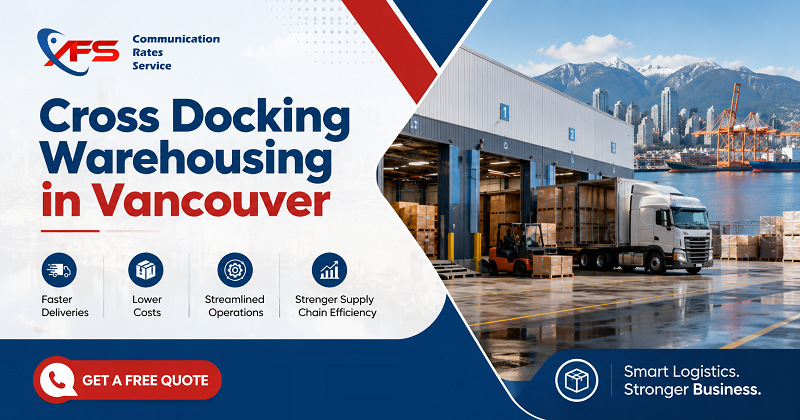
Quick Answer: Cross Docking Warehousing in Vancouver is a logistics method where incoming goods are unloaded from trucks or containers and reloaded directly onto outbound vehicles, with little to no storage time in between. It cuts warehousing costs, speeds up delivery, and reduces handling damage, making it ideal for businesses moving perishable, retail, or time-sensitive freight through BC's busy port and trucking corridors.
Why This Topic Actually Matters Right Now
If you run a business that ships anything through the Lower Mainland, you already know the headaches. Port congestion. Rising warehouse rents. Customers who expect their orders yesterday. I've talked to enough supply chain managers in this city to know that storage isn't always the problem, speed is.
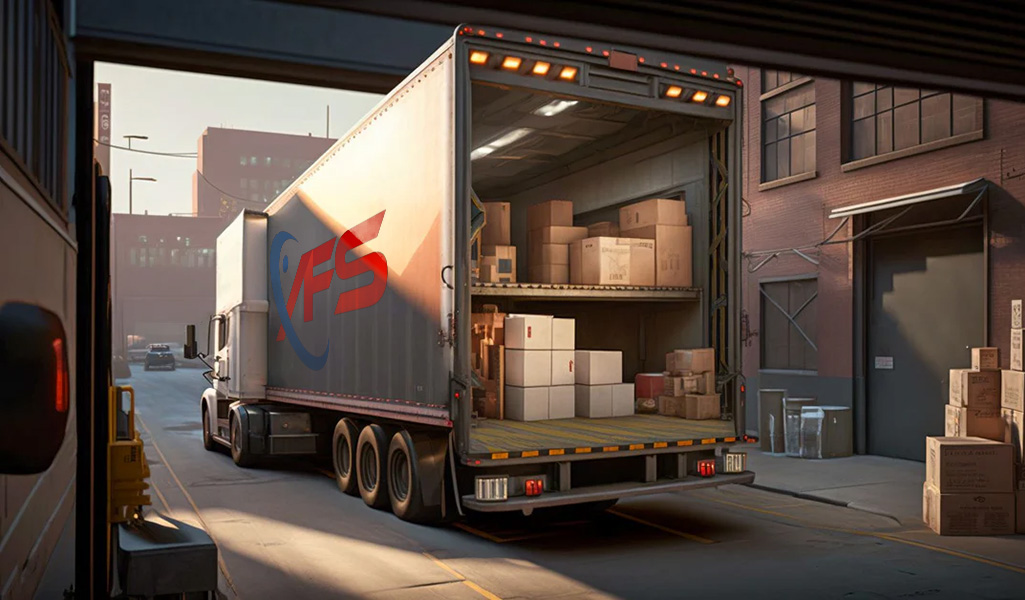
That's where cross docking comes in, and it's honestly one of those logistics strategies that sounds complicated on paper but makes complete sense once you see it in action. Picture a truck pulling into a dock, its pallets getting scanned and sorted, and within a couple of hours those same goods are already on a different truck heading to their final stop. No sitting in storage for weeks. No extra handling. Just a smooth handoff.
Vancouver, with its position as a major Pacific gateway, is practically built for this kind of operation. Between the port, the airport, and the highway network connecting BC to the rest of Canada and the US, this city has the infrastructure to make cross docking genuinely effective rather than just a nice idea.
This guide walks through what cross docking actually looks like in practice, why it matters for businesses here specifically, and what to consider before you make the switch. No fluff, just the practical stuff you need to make an informed decision.
What Is Cross Docking, Really?
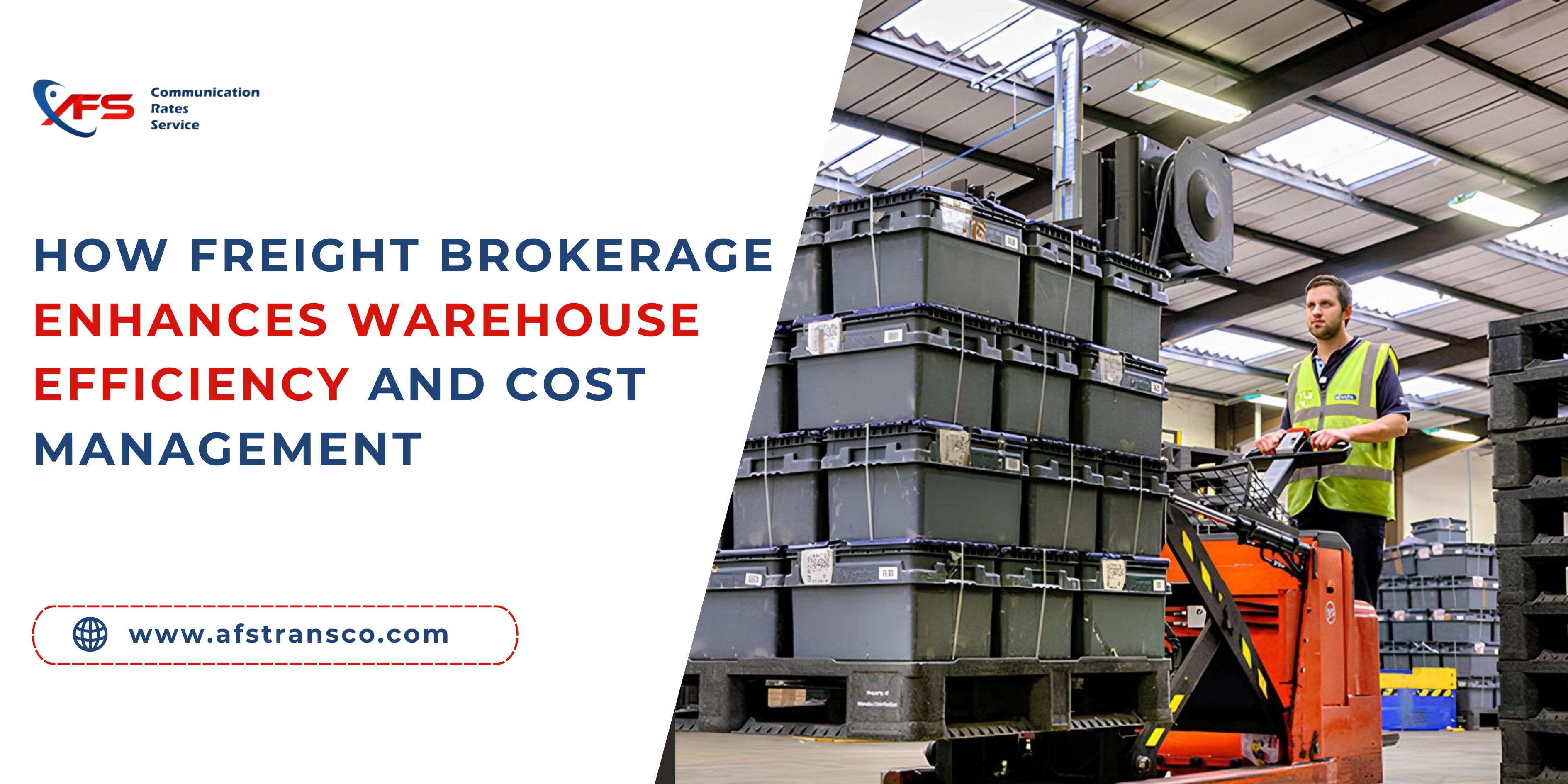
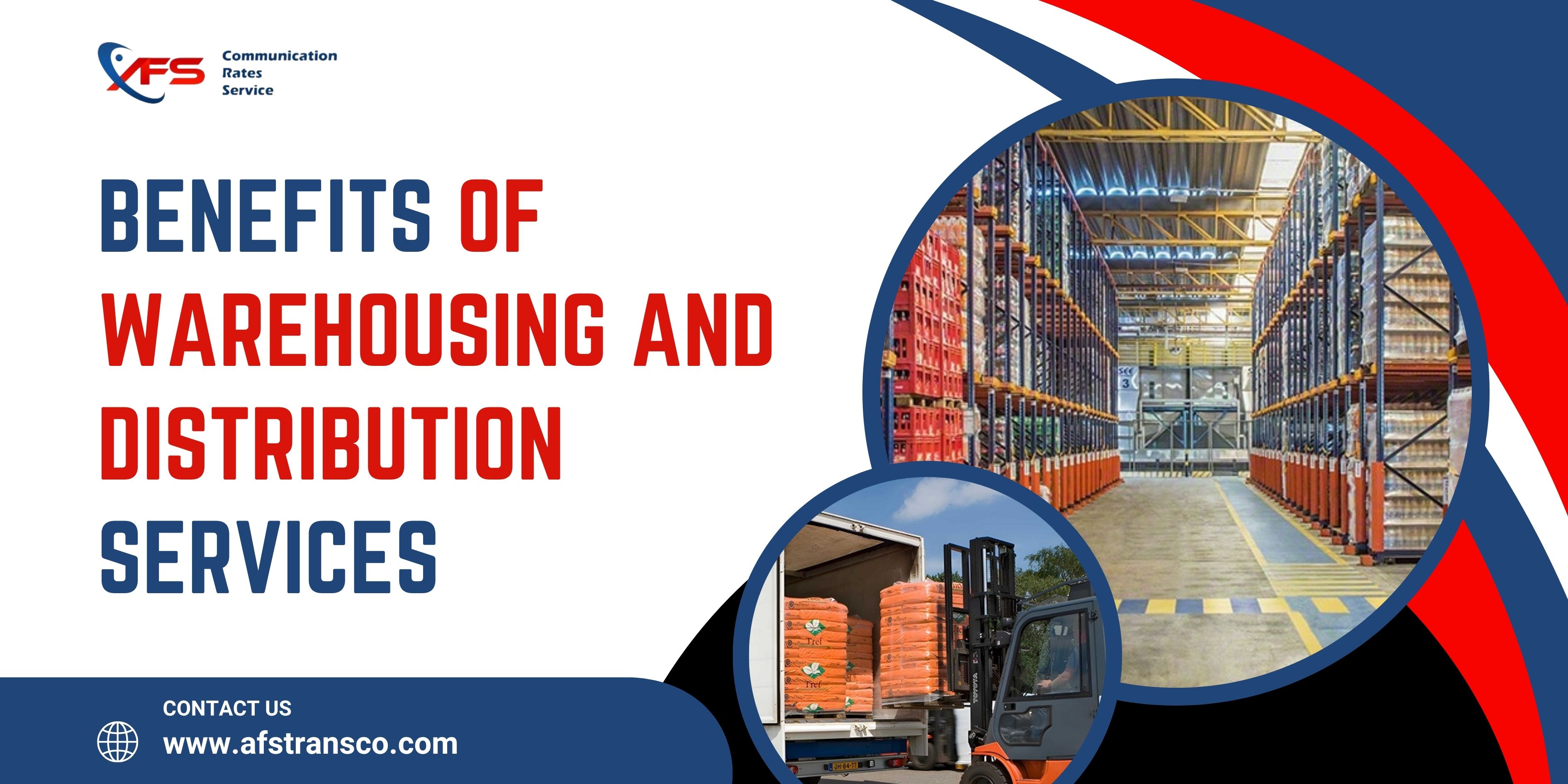
Let's start simple. Traditional warehousing works like this: goods arrive, they get stored on shelves or racks, and they sit there until an order comes in. Then someone picks the item, packs it, and ships it out. That process can take days or even weeks depending on inventory turnover.
Cross docking skips most of that. Goods arrive at a distribution centre, get unloaded, sorted based on their final destination, and then loaded straight onto outbound transportation. The whole process often happens within 24 hours, sometimes even less. There's no long-term storage involved, which is the whole point.
Think of it less like a warehouse and more like a busy airport terminal. Nothing stays for long. Everything is in motion, moving toward its next connection.
There are a few different styles too. Some operations use a pre-distribution model, where products are already sorted before they even arrive. Others use post-distribution cross docking, where sorting happens on-site based on real-time orders. The right approach depends on the type of product, order volume, and how predictable your demand patterns are.
The Process Behind Cross Docking Warehousing in Vancouver
Understanding the actual workflow helps explain why so many companies are shifting toward this model. Here's a rough breakdown of how it typically unfolds in a well-run facility.
First, inbound shipments arrive at the dock, usually from suppliers, manufacturers, or overseas containers coming through the port. Staff verify quantities, check for damage, and confirm the shipment matches the paperwork. This step matters a lot because errors here ripple through the entire chain.
Next comes sorting. Products get grouped based on their destination, whether that's a retail store, a distribution hub, or a direct-to-consumer delivery route. This is where technology plays a huge role. Barcode scanning, warehouse management systems, and sometimes RFID tracking all help make sure nothing gets misrouted.
After sorting, goods move to the outbound staging area. This is essentially a waiting zone, but a short one. Ideally, products spend hours here, not days.
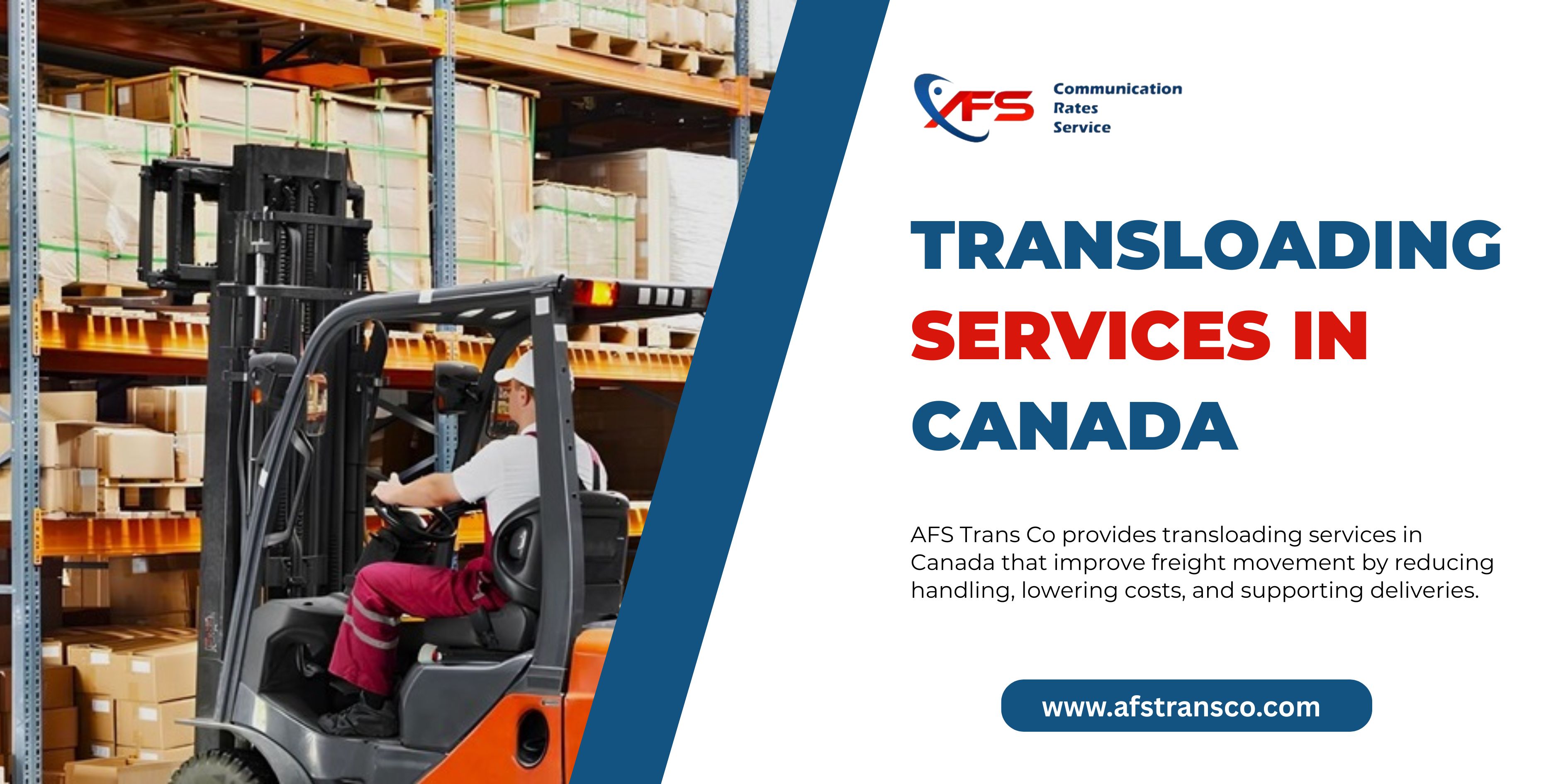
Finally, the goods get loaded onto outbound trucks and shipped to their next destination. That's it. Simple in concept, but it requires tight coordination, accurate data, and reliable transportation partners to actually pull off without delays or mistakes.
Companies offering Cross Docking Warehousing in Vancouver need to have strong relationships with carriers and a location that supports quick turnaround, since even small scheduling gaps can undo the efficiency this method is supposed to provide.
Why Vancouver Businesses Are Paying Attention
There's a reason this strategy has gained traction in this region specifically, and it's not just a trend.
Vancouver sits at a geographic sweet spot. Goods coming through the Port of Vancouver, one of the busiest ports in North America, need to move inland fast. Businesses importing from Asia, exporting to the US, or distributing across Western Canada all benefit from a logistics hub that doesn't slow things down with unnecessary storage steps.
Warehouse space in the city also isn't cheap. Industrial real estate prices here have climbed steadily over the past several years, and that trend doesn't look like it's reversing anytime soon. For businesses paying by the square foot, minimizing how long products sit in storage translates directly into lower overhead.
There's also the customer expectation piece. People want fast shipping now, and that's not changing. E-commerce brands, grocery distributors, and retail chains all feel this pressure daily. A method that moves goods through the supply chain quickly gives these businesses a real competitive edge.
Real Benefits Businesses Are Seeing
Let's get into the actual advantages, because this is probably what you came here for.
Lower storage costs. Since products aren't sitting in a warehouse for extended periods, businesses save significantly on storage fees, racking systems, and the labour associated with long-term inventory management.
Faster delivery times. Reduced handling steps mean products reach their destination quicker. For time-sensitive goods like fresh produce, seafood, or seasonal retail items, this speed can make or break profitability.
Reduced product damage. Every time goods are moved, stacked, or stored, there's a risk of damage. Fewer touchpoints generally mean fewer broken items, scratched packaging, or spoiled goods.
Better inventory flow. Businesses using this method often see improved cash flow because products aren't tied up in storage. Capital moves faster when goods move faster.
Smaller warehouse footprint needed. Companies can operate with less physical space since they're not stockpiling large amounts of inventory, which is a major advantage given how tight industrial real estate has become across the region.
I'll be honest, not every business needs this. If your product moves slowly or your demand is unpredictable, traditional warehousing might still make more sense. But for companies with steady, high-volume shipments, particularly in retail, food distribution, or e-commerce, the benefits tend to outweigh the adjustment period.
Business Advantages That Go Beyond Cost Savings
While the financial upside gets most of the attention, there are other advantages worth mentioning that don't show up on a spreadsheet right away.
Cross docking encourages tighter supply chain visibility. Because goods are moving quickly and constantly, businesses tend to invest in better tracking systems and data accuracy, which pays off in other areas of operations too.
It also builds resilience. When a company isn't dependent on massive stockpiles, it can adapt faster to shifting demand or unexpected disruptions, something that became painfully clear to a lot of businesses during recent years of supply chain instability.
There's a sustainability angle too. Fewer storage requirements often mean less energy consumption from warehouse operations, and streamlined transportation routes can reduce unnecessary fuel usage from redundant handling steps.
Companies like AFS Trans Co. have leaned into this model precisely because it aligns with what modern businesses actually need: speed, accuracy, and cost control without sacrificing service quality. Working with an experienced logistics partner who understands the nuances of Cross Docking Warehousing in Vancouver, including local traffic patterns, port schedules, and seasonal demand shifts, can make the difference between a smooth operation and a logistical headache.
What to Consider Before Making the Switch
This model isn't a magic fix for every business, and it's worth being honest about that.
You'll need reliable, high-volume shipping patterns for cross docking to make financial sense. If your inventory needs are inconsistent, the efficiency gains shrink considerably. You'll also need strong coordination between suppliers and carriers, since delays on either end can cause backups.
Technology matters too. Without a solid warehouse management system and real-time tracking, sorting errors become far more likely, which defeats the entire purpose of the strategy.
Lastly, location matters more than people expect. A facility that's poorly positioned relative to major highways or the port loses a lot of the speed advantage that makes cross docking worthwhile in the first place. This is exactly why choosing the right partner for Cross Docking Warehousing in Vancouver matters so much. The wrong facility location or an inexperienced provider can turn a time-saving strategy into a bottleneck.
Final Thoughts
Logistics doesn't have to feel like a constant uphill battle. For businesses dealing with high shipping volumes, tight delivery windows, or rising storage costs, this approach offers a genuinely practical solution rather than just another industry buzzword.
Vancouver's position as a trade gateway makes it one of the more logical places in Canada to adopt this model, especially as e-commerce continues to grow and customer patience for slow shipping continues to shrink. The businesses that get ahead of this shift now, rather than waiting until storage costs or delivery complaints force their hand, tend to come out with a real operational advantage.
If your business is dealing with rising warehouse costs, slow delivery timelines, or increasing demand for faster turnaround, it might be worth having a real conversation with a logistics partner about whether this model fits your operation. Sometimes the biggest efficiency gains come not from doing more, but from doing less unnecessary handling in the first place.
Frequently Asked Questions
Everything you need to know about our warehouse & 3PL services.