Moving goods across borders is rarely as simple as it sounds. If you're importing products into Vancouver or exporting Canadian goods internationally, the moment you encounter customs forms, HS codes, and carrier negotiations is usually the moment you realize you need someone who actually knows what they're doing.
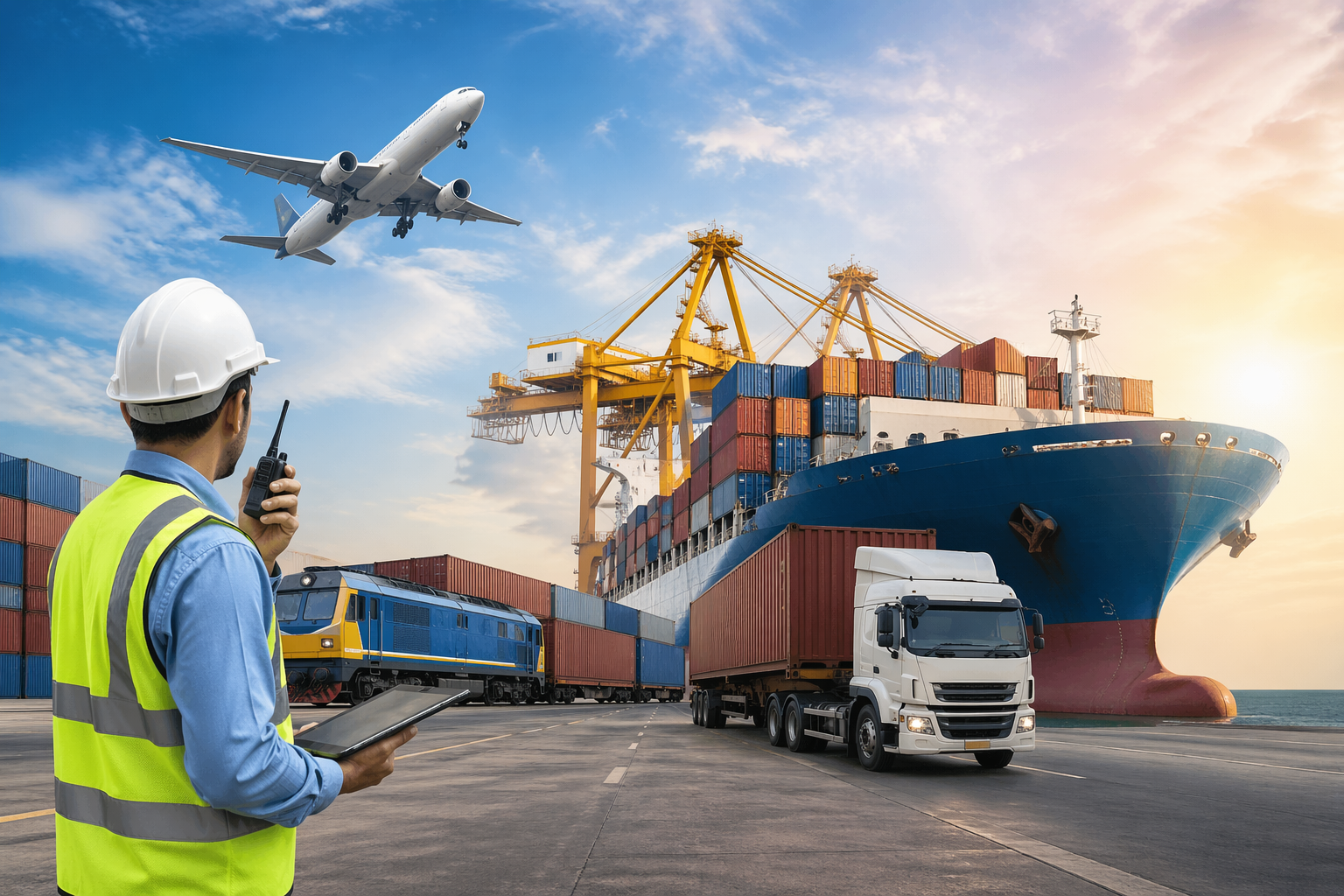
Vancouver's port — the Port of Vancouver — is Canada's largest and busiest. It handles over 140 million tonnes of cargo each year. For businesses of any size, whether you're shipping a single pallet of specialty goods or container loads of merchandise, understanding how freight forwarding works in this city can be the difference between smooth logistics and a very expensive headache.
Let's walk through how freight forwarding actually works here, what you should expect to pay, and — just as importantly — where you can realistically save money without cutting corners that will cost you later.
What a Freight Forwarder in Vancouver Actually Does
Think of a freight forwarder less like a shipping company and more like a logistics architect. They don't usually own the planes, ships, or trucks — but they coordinate everything that touches your cargo from the moment it leaves its origin to when it arrives in your hands.
In Vancouver, that coordination is particularly layered. Cargo coming through the Port or Vancouver International Airport needs to clear the Canada Border Services Agency (CBSA), comply with Transport Canada regulations, and sometimes navigate provincial agricultural or safety inspections depending on the goods category.
A good freight forwarder handles all of this quietly in the background. They prepare and file your customs documentation — bills of lading, commercial invoices, packing lists, certificates of origin — and they stay on top of regulatory changes so you don't have to. They also maintain relationships with carriers that individual businesses simply can't develop on their own, which is where real cost advantages often hide.
Beyond the paperwork, they manage something that rarely gets talked about: the timing. Cargo sitting idle at a port isn't just an inconvenience — demurrage fees (the charges you pay when containers aren't returned on time) can run into hundreds of dollars per day. A freight forwarder who knows the Port of Vancouver's rhythm can often spare you those penalties entirely.
What It Costs: Breaking Down Freight Forwarder Fees in Vancouver
Pricing in freight forwarding is famously opaque, and that opacity frustrates a lot of first-time importers and exporters. Here's a practical breakdown of what you're likely to encounter when working with a Vancouver-based freight forwarder.
The freight forwarding fee itself — sometimes called a handling fee or service fee — is what the forwarder charges for their coordination work. For a standard LCL (less-than-container-load) shipment moving through Vancouver, you might pay anywhere from $150 to $350. FCL (full container load) shipments typically sit in the $300 to $600 range, though complex routes or high-value goods can push this higher.
Customs brokerage is often bundled with freight forwarding services, but not always — so ask upfront. If it's separate, expect to pay $75 to $200 for straightforward commercial goods, more if your shipment triggers examination or if your HS code classification is disputed.
You'll also see line items for documentation handling, terminal handling charges (THC), and sometimes fuel surcharges or peak season surcharges. These aren't hidden fees exactly — they reflect real costs — but they can catch you off guard if you're comparing quotes without reading the fine print carefully.
How to Save — Without Creating Problems Down the Line
Saving money on freight forwarding isn't about finding the cheapest quote. It's about removing inefficiencies, planning ahead, and working with someone who gives you the full picture from day one.
Consolidate shipments when possible. LCL (shared container) shipping is more economical for smaller volumes, but if you're shipping frequently, it sometimes makes sense to consolidate multiple orders into one FCL shipment. A good freight forwarder can model this out for you.
Book early, especially for peak seasons. Rates through the Port of Vancouver spike considerably during the pre-holiday season (September through November). Booking two to three weeks earlier than you think you need to can yield meaningful savings on both ocean freight and port handling.
Verify your HS codes before your forwarder does. Misclassified goods are one of the biggest sources of unexpected costs — not just because of reclassification fees, but because incorrect duties can result in back-payments and penalties from CBSA. Do your homework or ask your forwarder to confirm classifications before shipment.
Ask about free-trade agreement eligibility. Canada has trade agreements with the EU, the UK, most of Asia-Pacific, and North America. If your goods qualify, duties can drop to zero. Many shippers leave this money on the table simply because they never asked.
Get itemized quotes, always. A suspiciously low all-in quote often hides charges that appear as your goods clear customs. Insist on line-item transparency. Reputable Vancouver freight forwarders will give it without hesitation.
Don't skip cargo insurance. At 0.1% to 0.5% of your goods' declared value, marine cargo insurance is genuinely inexpensive protection. Port of Vancouver sees high cargo volumes, and occasional damage or loss does occur. Skipping it to save $80 on a $50,000 shipment is a risk that simply doesn't balance.
One more thing worth mentioning: relationships matter in this industry. If you ship regularly, building a working relationship with one freight forwarder — rather than constantly shopping for the lowest quote — often yields better service, better rates over time, and a partner who will actually go to bat for you when something goes wrong. And eventually, something always does.
The Bottom Line
Vancouver is one of North America's most significant trade gateways, and the freight forwarding ecosystem here is mature, competitive, and capable. The businesses that navigate it most efficiently aren't necessarily the ones spending the least upfront, they're the ones who understand what they're paying for, work with forwarders who communicate clearly, and invest a little time in planning before their cargo is already on a ship.
Whether you're new to international shipping or looking to tighten up an established supply chain, taking the time to understand these costs and processes puts you in a far stronger position. A well-chosen freight forwarder in Vancouver isn't an overhead expense; they're one of the better investments in your logistics stack.