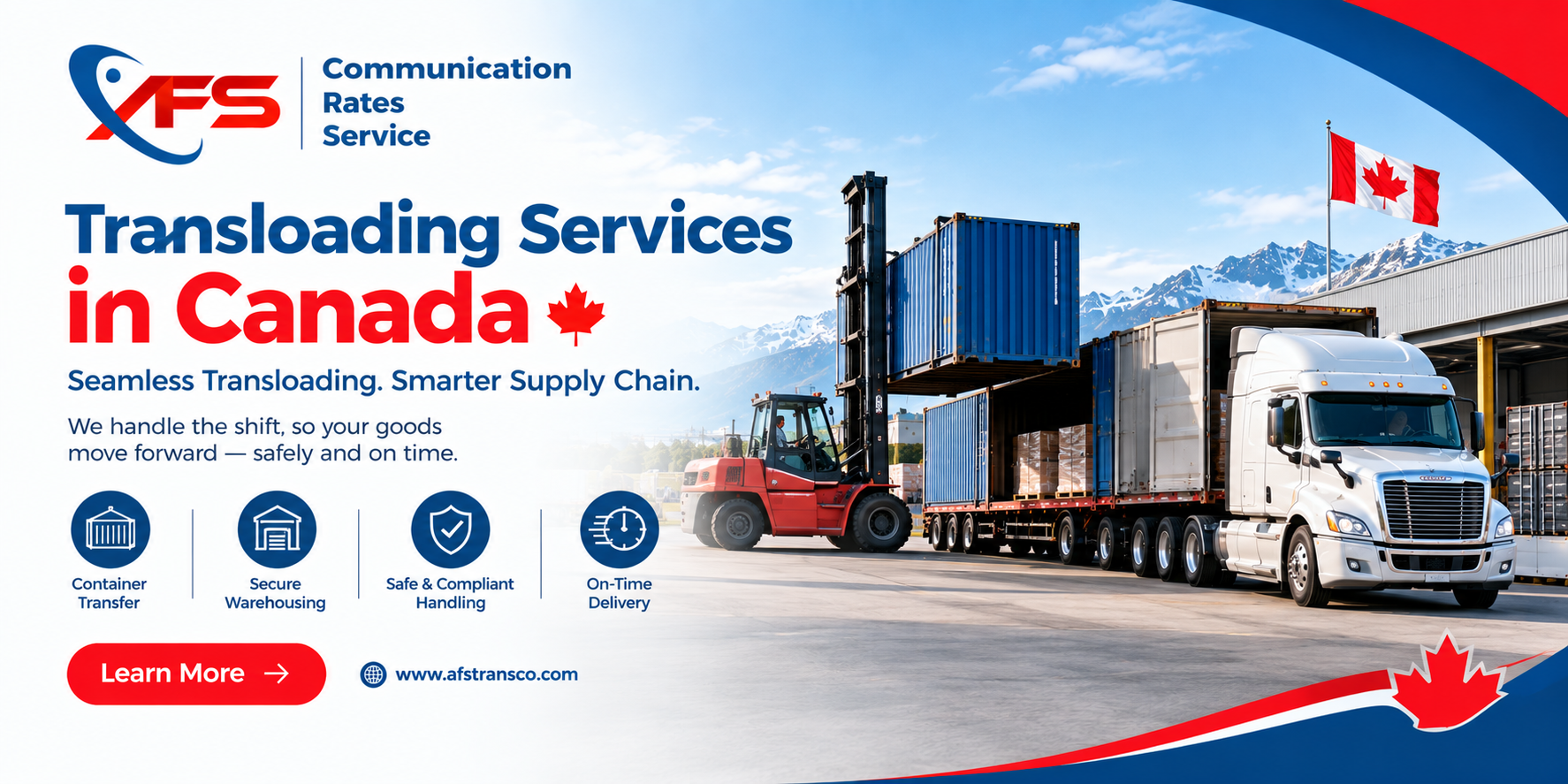
Moving goods across Canada often involves more than one form of transportation. Imported products may arrive by ship, move through a rail terminal, and then continue by truck to a warehouse or customer. Managing each stage properly is important for businesses that want their goods to reach the right place at the right time.
Transloading provides a practical connection between different transportation methods. Goods can be transferred from a shipping container into another vehicle or container that is suited to the next stage of transportation.
For importers, distributors, manufacturers, and retailers, transloading services in Canada can make freight movement easier to coordinate while supporting a smooth and organised supply chain.
What Is Transloading And How Does It Work?
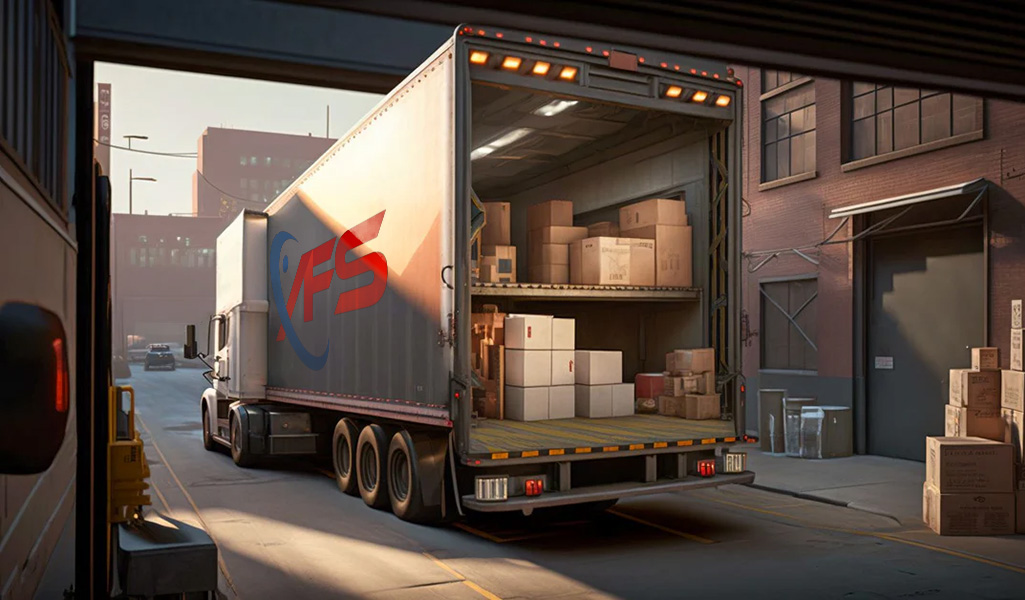
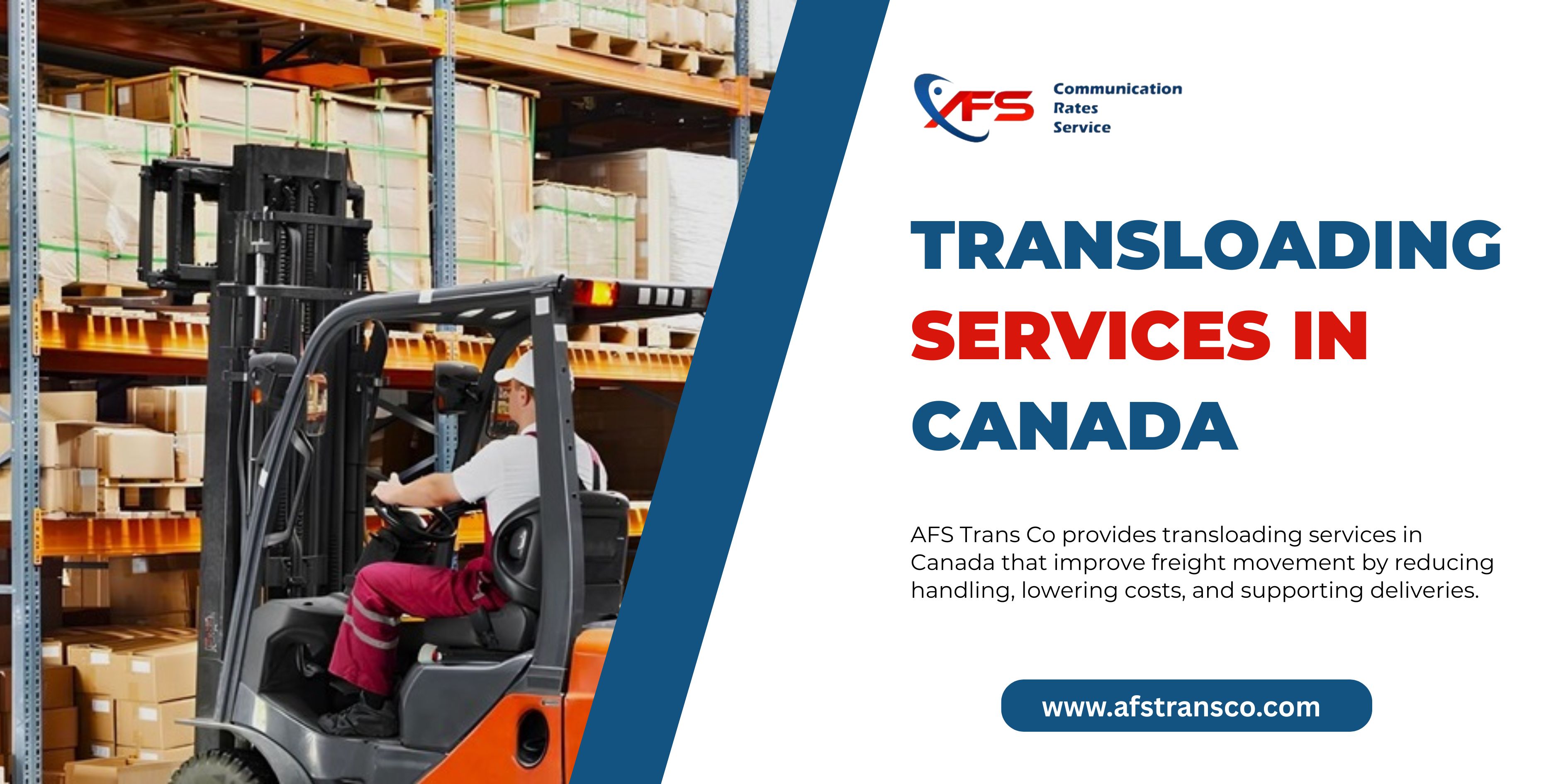
Transloading is the process of moving goods from one transportation method to another during their journey. A shipment may arrive at a port in a container and then be transferred onto a truck for delivery to a distribution centre.
The process generally involves several steps:
- Freight arrives at a port, rail terminal, or designated facility.
- Goods are unloaded from the incoming container or vehicle.
- Products are checked and organised.
- Freight is transferred into another vehicle or container.
- The new shipment continues to its next destination.
Depending on the type of freight, goods may also be sorted, palletised, labelled, or prepared for onward delivery during the transfer.
The main purpose is to keep freight moving smoothly between transportation stages and prepare products for their next destination.
Why Do Canadian Businesses Use Transloading?
Canada has a large and diverse transportation network connecting ports, railways, highways, warehouses, and distribution centres. Businesses bringing products into the country may need to change transportation methods before goods reach their final destination.
For example, an imported shipment arriving at the Port of Vancouver may need to continue by truck to a warehouse in another part of British Columbia or to a different province.
Transloading can help businesses manage this transition. It can also be useful when companies receive larger shipments but need to distribute individual loads to several destinations.
For businesses handling regular imports, transloading can become an important part of their freight planning. It provides another option for connecting international transportation with domestic distribution.
How Do Container Transloading Services Help With Imports?
Shipping containers are designed for international transportation, while domestic delivery may require different transportation equipment. Once goods arrive at their destination port or rail terminal, they can be transferred into trucks or other suitable equipment.
Container transloading services allow businesses to move products from international containers into domestic transportation equipment.
During this process, freight may be:
- Unloaded from shipping containers
- Counted and inspected
- Sorted by destination
- Placed onto pallets
- Loaded into trucks
- Prepared for distribution
This can be especially useful for importers that need to send products to several warehouses, retailers, or customers across Canada.
Good coordination between the container arrival, unloading process, and onward transportation can help keep the shipment moving according to schedule.
Can Transloading Work Alongside Warehousing?
Transloading and warehousing serve different purposes, although they can work together as part of a wider logistics plan.
Transloading focuses on transferring freight between transportation methods, while warehousing provides a dedicated location where goods can be received, organised, and stored until they are ready for distribution.
Some businesses may require storage between transportation stages. In these situations, a refrigerated storage warehouse can provide suitable controlled-temperature conditions for products that require specific storage environments before their next delivery.
Combining transportation, transloading, and storage services can help businesses coordinate different stages of their supply chain according to their inventory and delivery requirements.
How Does Transloading Connect Ports, Rail And Trucking?
One of the main benefits of transloading is its ability to connect different parts of the transportation network.
A typical movement could look like this:
International Supplier → Port → Transloading Facility → Truck → Distribution Centre → Customer
A shipment could also arrive by rail before being transferred to a truck for regional delivery.
This flexibility is useful because different transportation methods serve different purposes. Ships and railways can move large volumes over long distances, while trucks provide flexibility for regional and final delivery.
A transloading facility acts as a connection point between these stages, allowing businesses to move freight from one transportation method to another.
When Should A Business Consider Transloading?
Transloading may be worth considering when a business:
- Imports goods in shipping containers
- Receives freight through ports or rail terminals
- Needs to move products across several Canadian regions
- Uses both rail and road transportation
- Handles large shipment volumes
- Needs to distribute one shipment to multiple destinations
- Wants greater flexibility between transportation methods
- Requires additional freight handling before delivery
The best approach depends on the type of goods, shipment volume, destinations, delivery schedules, and available facilities.
Businesses should consider their complete transportation route when planning how goods will move from the point of arrival to their final destination.
What Should You Look For In A Transloading Provider?
Choosing a suitable logistics provider involves looking at more than the availability of warehouse space.
Consider the facility's location and its access to major roads, ports, rail terminals, and distribution routes. It is also important to understand what types of freight the provider can handle and what equipment is available for loading and unloading.
Other useful factors include:
- Freight tracking
- Loading and unloading capabilities
- Storage availability
- Transportation services
- Cross-border support
- Delivery coverage
- Inventory handling
- Communication and scheduling
A provider that can coordinate transportation and warehousing alongside transloading may make it easier to manage different parts of the supply chain.
How Does Transloading Support A Wider Supply Chain?
Transloading can be part of a broader logistics strategy rather than a standalone service. Once freight has been transferred, it may continue to a warehouse, retail location, manufacturing facility, or customer.
Businesses may also need other logistics services after products reach their destination. For example, reverse logistics services can help manage returned products, damaged goods, reusable packaging, or inventory moving back through the supply chain.
Having a clear plan for both inbound and outbound freight can help businesses manage inventory effectively and coordinate transportation according to changing requirements.
Frequently Asked Questions
What Is Transloading In Logistics?
Transloading is the process of transferring goods from one transportation method to another. For example, freight may be removed from a shipping container and loaded onto a truck for domestic delivery.
What Is The Difference Between Transloading And Warehousing?
Transloading focuses mainly on transferring freight between transportation methods, while warehousing involves keeping goods in a storage facility for a period of time. Both services can be used together when required.
Why Is Transloading Useful For Canadian Imports?
Transloading can help connect international freight with domestic transportation. Imported goods arriving by ship or rail can be transferred into trucks for delivery to warehouses, retailers, or customers across Canada.
Can Temperature-Sensitive Goods Be Transloaded?
Yes, provided the facility and transportation equipment are suitable for the products. Businesses handling temperature-sensitive goods should confirm that appropriate handling and storage conditions are available throughout the transfer.
How Should A Business Choose A Transloading Provider?
Consider the provider's location, freight handling capabilities, equipment, transportation network, tracking options, storage facilities, and experience with your type of goods. Clear communication and scheduling support are also important.
Final Thoughts
Transloading can play an important role in keeping Canadian supply chains connected. By allowing goods to move between ships, railways, trucks, containers, warehouses, and final destinations, it provides businesses with flexibility when planning freight movements.
For companies handling imported products or large volumes of commercial freight, the right transloading arrangement can make transportation easier to coordinate. Understanding the full journey of your goods and choosing services that match your requirements can help create a well-organised supply chain.