When a business sends freight through less than truckload transportation, knowing where the shipment is can make daily planning much easier. Businesses may need to coordinate warehouse staff, prepare receiving areas, update customers, or arrange the next stage of delivery.
Shipment tracking provides useful information throughout the journey, from the initial pickup to the final delivery. Understanding how freight tracking works also helps businesses know what different shipment updates mean and when they should expect the next status.
Whether you send freight regularly or only need transportation occasionally, having a clear tracking process can make freight management more organised.
How Does LTL Shipment Tracking Work?
Less than truckload freight usually travels through several stages before reaching its destination. After a shipment is booked, the carrier collects the goods from the pickup location and records the shipment details.
A tracking number, often known as a PRO number, is generally assigned to the shipment. This number allows the shipper or receiver to check its progress through the carrier's tracking system.
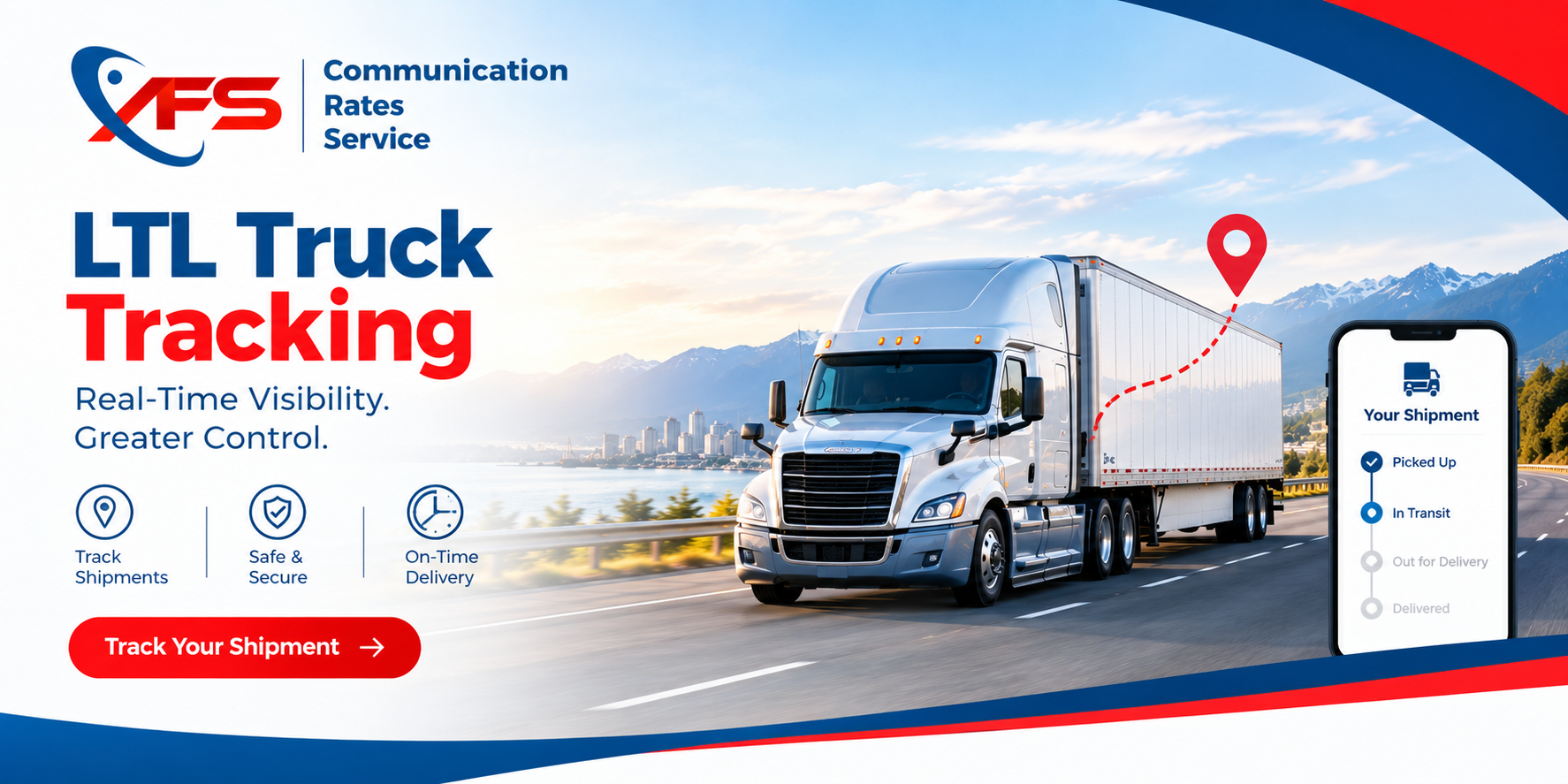
As the freight moves between terminals and transportation points, shipment scans create status updates. These updates can show when freight has been collected, processed at a terminal, moved through the carrier network, arrived at the destination terminal, or placed on a vehicle for final delivery.
For businesses, ltl truck tracking provides useful visibility throughout these stages and makes it easier to plan around expected delivery times.
What Information Do You Need To Track A Shipment?
Having the correct shipment information makes tracking much simpler. The most useful details usually include:
- PRO number
- Bill of Lading number
- Purchase order number
- Carrier name
- Pickup location
- Delivery location
- Shipment date
The PRO number is commonly used by carriers to identify and track a shipment. The Bill of Lading contains important information about the freight, including the shipper, receiver, products, quantities, and transportation details.
Keeping these details in one place can save time when checking shipment progress or contacting a carrier.
Where Can You Find The PRO Number?
The PRO number can usually be found on the carrier paperwork, shipment confirmation, Bill of Lading, or tracking information provided after pickup.
Businesses that ship frequently can maintain a simple record of these numbers alongside customer orders and delivery dates.
What Do Different Shipment Statuses Mean?
Tracking systems use different terms to describe shipment progress. Understanding these updates makes it easier to know what is happening at each stage.
Scheduled: The shipment has been booked and is awaiting pickup.
Picked Up: The carrier has collected the freight from the specified location.
At Origin Terminal: The shipment has reached the first processing facility.
In Transit: The freight is moving through the transportation network.
At Destination Terminal: The shipment has reached a facility near its delivery location.
Out For Delivery: The freight has been assigned for final delivery.
Delivered: The shipment has reached the receiving location.
Exact wording can vary between carriers, but the general stages are similar.
Why Is Shipment Visibility Important For Businesses?
Knowing the progress of freight can help businesses organise their daily operations more effectively. Warehouse teams can prepare for incoming goods, customer service teams can provide delivery updates, and purchasing departments can plan stock availability.
Tracking can also support better communication between suppliers, carriers, warehouses, and customers. When everyone has access to current shipment information, delivery planning becomes easier.
For companies managing multiple shipments, centralised visibility can be particularly useful. Transportation management systems can bring shipment information together and help teams manage transportation activities from one place.
This is where tms trucking solutions can support scheduling, shipment coordination, carrier management, and transportation planning.
How Can Businesses Improve Freight Tracking?
A consistent tracking process can make a noticeable difference to everyday logistics. Businesses can start by keeping shipment references organised and checking carrier updates at key stages.
Using a transportation management system can also help businesses manage multiple shipments without relying entirely on separate records. Depending on the provider and available technology, businesses may be able to view shipment progress, organise transportation information, and receive important updates.
Working with an experienced transportation provider can also simplify communication. AFs Trans Co. supports freight transportation and tracking requirements, helping businesses maintain better visibility while coordinating their shipments.
When selecting a logistics provider, consider tracking access, communication, delivery coverage, transportation options, and the type of freight handled.
How Do Trucking Services Support Shipment Tracking?
Tracking is only one part of successful freight transportation. The physical movement of goods also requires suitable vehicles, experienced drivers, proper loading, and careful scheduling.
Businesses may need different equipment depending on shipment size, product type, destination, and delivery requirements. Reliable truck trailer services can support the movement of commercial freight between suppliers, warehouses, terminals, and customers.
When transportation and tracking work together, businesses have a clearer view of both the shipment's location and its expected progress.
What Should You Do When A Shipment Reaches Its Destination Terminal?
Once freight reaches the destination terminal, businesses should prepare for the final delivery stage. Check the latest tracking information and confirm the expected delivery date.
If the receiving location has specific delivery hours or appointment requirements, make sure the appropriate team is prepared. Having staff available to receive the shipment can help the unloading process run smoothly.
Businesses should also keep delivery information accurate, including contact details, operating hours, and receiving instructions.
How Does AFS Freight Tracking Help Businesses?
Businesses handling regular freight often benefit from having shipment information readily available. Afs freight tracking can help users follow shipment progress and plan around transportation schedules.
Good tracking practices can support warehouse planning, customer communication, inventory coordination, and delivery preparation. It also gives businesses a clearer understanding of where freight is within its transportation journey.
The most useful tracking approach is one that fits the company's shipment volume, delivery requirements, and communication needs.
Final Thoughts
Tracking plays an important role in modern freight management. From pickup and terminal processing to final delivery, shipment updates help businesses plan warehouse activities, communicate with customers, and coordinate transportation more effectively.
A clear tracking process combined with suitable transportation services can make everyday freight operations easier to manage. By keeping shipment information organised and choosing a logistics provider that offers suitable tracking and transportation support, businesses can maintain better visibility throughout the delivery journey.
Frequently Asked Questions
What Is LTL Shipment Tracking?
LTL shipment tracking allows businesses to monitor freight as it moves through different stages of transportation. Updates can show pickup, terminal processing, transit, destination arrival, final delivery, and other shipment milestones.
What Is A PRO Number?
A PRO number is a shipment identification number commonly provided by a freight carrier. It is used to locate shipment information and check transportation progress through the carrier's tracking system.
How Often Does LTL Tracking Update?
Tracking updates depend on the carrier and shipment stage. Updates are generally recorded when freight is picked up, processed at a terminal, transferred, arrives at another facility, or moves toward final delivery.
Can Businesses Track Multiple Freight Shipments?
Yes. Businesses managing several shipments can use carrier portals or transportation management systems to organise shipment information. Keeping reference numbers and delivery details together can also make monitoring easier.
What Should I Look For In A Freight Tracking Service?
Look for clear shipment updates, accessible tracking information, reliable communication, suitable transportation coverage, and support that matches your freight requirements. Businesses should also consider whether the provider offers additional logistics services such as warehousing and transportation coordination.