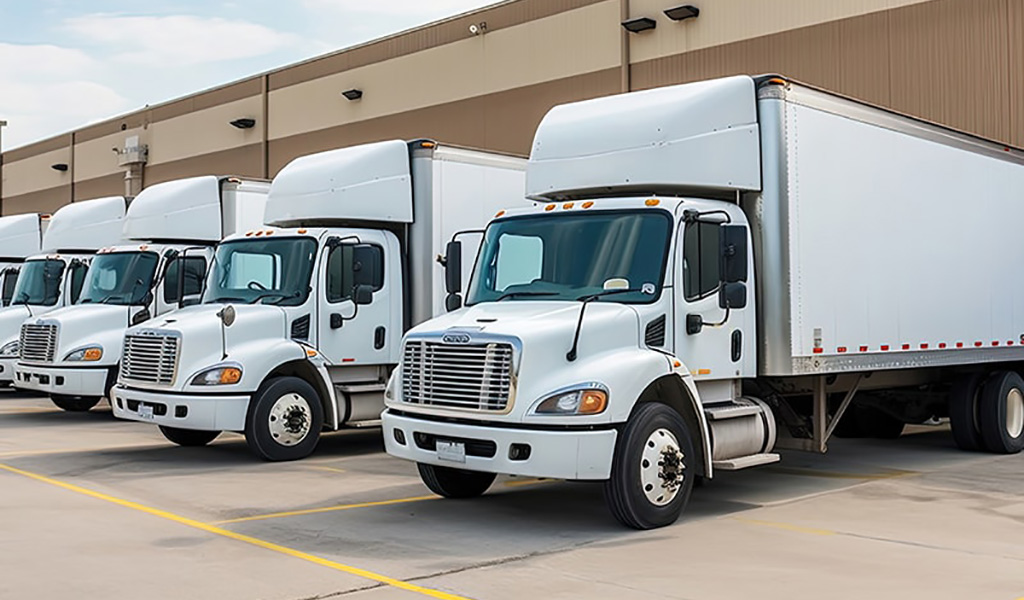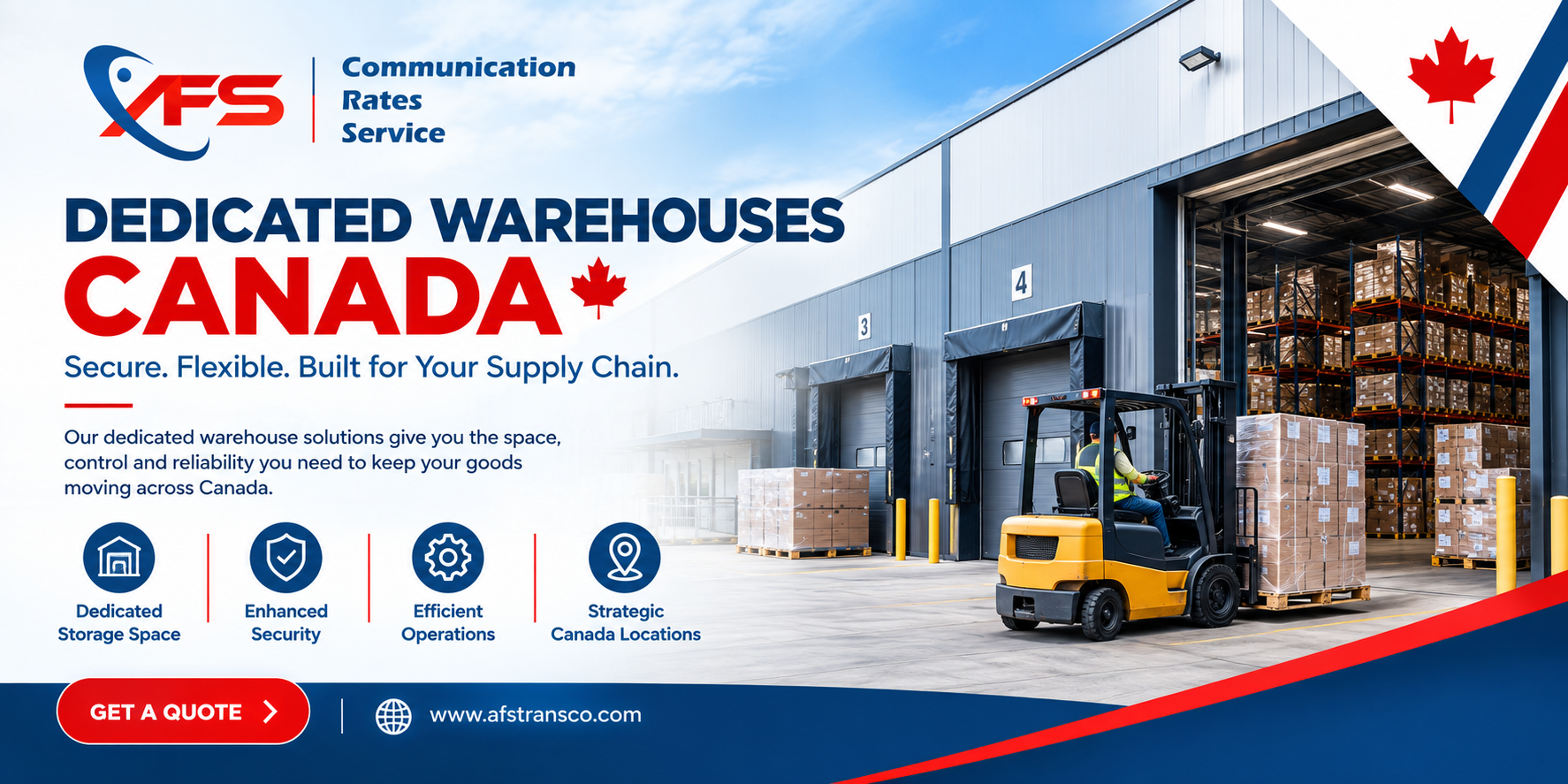
Canadian businesses need reliable storage facilities to keep products organised and support smooth distribution. As inventory volumes increase, having suitable warehouse space can make everyday operations easier to manage. A dedicated warehouse gives a business access to storage space arranged around its own inventory and operational needs.
For companies handling regular shipments, seasonal stock, or specialised products, dedicated warehouses Canada can provide a practical way to manage storage, inventory, order preparation, and distribution. With the right warehouse setup, businesses can maintain better organisation while supporting their wider logistics operations.
What Is a Dedicated Warehouse?
A dedicated warehouse is a storage facility reserved for the use of one business. Instead of sharing the same warehouse space with multiple companies, the business has a designated facility or dedicated area for its inventory.
This arrangement can provide greater control over how products are stored, organised, handled, and prepared for distribution. Businesses can establish storage layouts and processes based on their products, order volumes, and operational requirements.
Dedicated warehousing can be particularly useful for companies that have regular inventory movements or specific storage requirements. It also gives businesses a clear space for managing incoming stock, stored products, order preparation, and outgoing shipments.
What Are the Key Benefits of Dedicated Warehousing?
Dedicated warehousing can support businesses in several areas, from inventory organisation and storage flexibility to order fulfilment and supply chain coordination. Some of the main benefits include the following.
1. Better Inventory Organisation
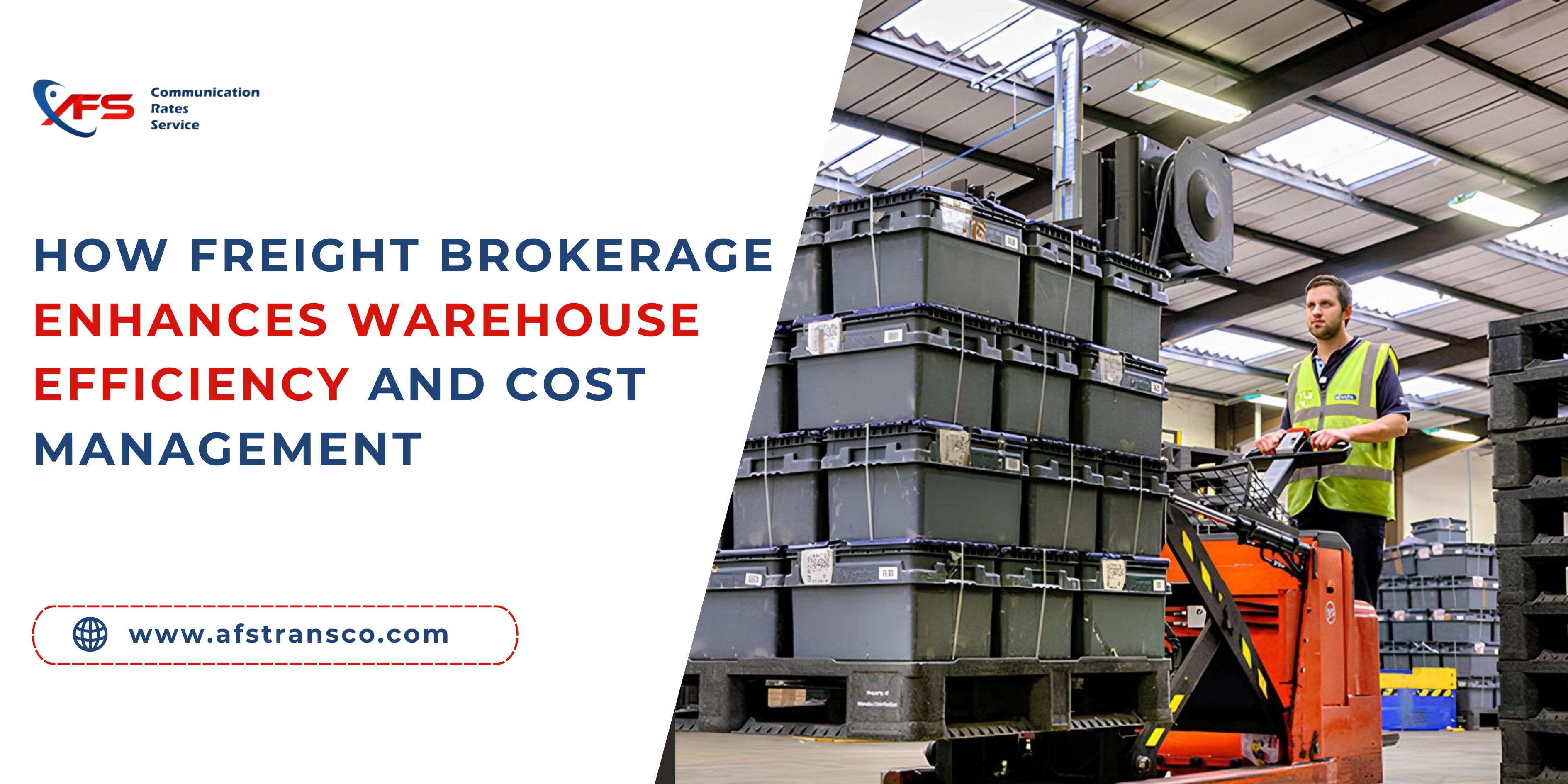
Inventory organisation is an important part of warehouse management. When products have clearly designated storage areas, warehouse teams can find, count, and manage stock more efficiently.
A dedicated warehouse allows businesses to establish storage arrangements based on product categories, sizes, quantities, or handling requirements. This can make stock checks easier and provide employees with a clear understanding of where different products are located.
Better organisations can also support inventory records and regular stock reviews. Businesses can monitor incoming and outgoing products while keeping warehouse activities connected to their wider operations.
2. Flexible Storage for Different Products
Every business has different storage requirements. Product sizes, packaging, stock levels, seasonal demand, and handling processes can all influence how warehouse space should be arranged.
A dedicated facility provides more flexibility to organise storage around these requirements. Businesses can create designated areas for different product categories and make adjustments when their inventory needs change.
Seasonal businesses can also benefit from having suitable space available during periods of increased demand. Additional stock can be organised within the facility while maintaining an efficient storage layout.
3. Smoother Order Fulfilment
Warehouse organisation has a direct connection with order fulfilment. Products need to be located, picked, packed, labelled, and prepared for delivery in an organised sequence.
With dedicated warehouse space, businesses can establish processes that match their order volumes and product requirements. Storage areas can be arranged to make frequently ordered products easier to access, while packing and dispatch areas can be positioned to support efficient workflows.
Clear processes can help warehouse teams prepare orders consistently and keep shipment information organised. This can also support better communication between warehouse staff, transportation teams, and customers.
4. Stronger Supply Chain Coordination
Warehousing plays an important role in the movement of goods from suppliers to customers. It connects receiving, storage, inventory management, order preparation, and transportation.
Effective warehousing supply chain processes can help businesses coordinate these activities efficiently. Products can be received into the warehouse, checked, stored, prepared for orders, and moved towards their next destination according to planned schedules.
A dedicated warehouse can also provide a central location for coordinating inventory with transportation services. This can make it easier for businesses to plan inbound and outbound shipments while maintaining organised stock records.
5. Convenient Distribution Locations
Warehouse location can have an important influence on transportation and distribution. Businesses often consider proximity to customers, suppliers, major roads, ports, and other transportation connections when selecting warehouse space.
For companies serving Western Canada, warehousing Vancouver can provide access to an important transportation and commercial centre. Vancouver connects businesses with regional markets and wider transportation networks, making location an important consideration for companies managing regular freight movements.
The right warehouse location can support practical transportation planning and help businesses organise deliveries according to their service areas.
6. Support for Business Growth
Warehouse requirements can change as a business grows. Higher sales volumes, additional products, new customers, and wider distribution areas can all increase the need for organised storage.
A dedicated warehousing solution can give businesses a structured space for managing inventory as their operations develop. Companies can review storage capacity, warehouse processes, and distribution requirements as their needs change.
Having a dedicated facility can also make it easier to establish consistent procedures for receiving, storing, picking, packing, and dispatching products.
For growing businesses, warehouse planning can become an important part of preparing for future operational requirements.
How to Choose the Right Dedicated Warehouse
Choosing a warehouse involves several important factors. Location should be reviewed based on suppliers, customers, transportation routes, and distribution requirements.
Businesses should also consider available storage capacity, warehouse layout, inventory handling procedures, order fulfilment services, technology, and transportation connections.
The type of products being stored is another important factor. Businesses may have requirements related to product size, packaging, temperature, handling, or storage conditions.
It is also useful to consider how warehouse requirements may change over time. Selecting a facility that can support current operations while accommodating future needs can make warehouse planning more practical.
Is a Dedicated Warehouse Right for Your Business?
Dedicated warehousing can be suitable for businesses with regular inventory volumes, specific storage requirements, or established distribution operations. It can provide a defined space for managing products and organising warehouse activities around business processes.
The right choice depends on factors such as inventory levels, product type, order frequency, distribution locations, and future growth plans.
A clear understanding of these requirements can help businesses select warehouse services that match their operations and support their long-term plans.
Conclusion
Dedicated warehousing can support Canadian businesses through better inventory organisation, flexible storage, smoother order fulfilment, supply chain coordination, and practical distribution planning. A suitable warehouse location and well-organised processes can also provide a strong foundation for growing operations.
AFS Trans Co. provides warehousing and transportation services designed to support businesses with their logistics requirements. Contact the team today to discuss your storage, distribution, and freight needs.
FAQs
1. What is a dedicated warehouse?
A dedicated warehouse is a facility or designated warehouse space used exclusively by one business. It allows the company to organise storage, inventory handling, order preparation, and other warehouse activities according to its own requirements.
2. What are the main benefits of dedicated warehousing?
Key benefits include better inventory organisation, flexible storage arrangements, smoother order fulfilment, clear warehouse processes, and stronger coordination between storage and transportation activities.
3. How does dedicated warehousing support the supply chain?
A dedicated warehouse connects important activities such as receiving, storage, inventory management, order preparation, and dispatch. This can help businesses coordinate warehouse operations with transportation and distribution schedules.
4. Why is warehouse location important for Canadian businesses?
Warehouse location can influence transportation planning, delivery times, supplier access, and distribution. Businesses often consider proximity to customers, suppliers, major roads, ports, and regional markets when selecting a warehouse.
5. Is dedicated warehousing suitable for growing businesses?
Yes. Dedicated warehousing can be useful for businesses with changing inventory levels, product ranges, order volumes, or distribution requirements. A suitable facility can provide organised space that supports current operations and future business needs.