There's a moment most growing e-commerce sellers know well. Your business has outgrown the parcel carrier. The orders are bigger, the products heavier, the shipments more frequent. But you're not moving enough volume to justify booking an entire truck. You're stuck in that frustrating in-between zone where parcel rates are punishing you on size and weight, and full truckload feels like overkill.
If that sounds familiar, you've probably already heard someone mention LTL. But like a lot of freight terminology, it gets thrown around without anyone really explaining what it means for an e-commerce business specifically, what it actually costs, how it works in the Canadian context, and when it genuinely makes sense to use it.
That's exactly what this guide covers. At AFS Trans Co., we work with Canadian e-commerce sellers at every stage of growth, and we see the same questions come up again and again. This is our honest, experience-driven answer to all of them.
Let's start from the beginning and build from there.
A Complete Guide to Less Than Truckload Shipping for Canadian E-Commerce Sellers
So What Exactly Is LTL Freight, and Why Should You Care?
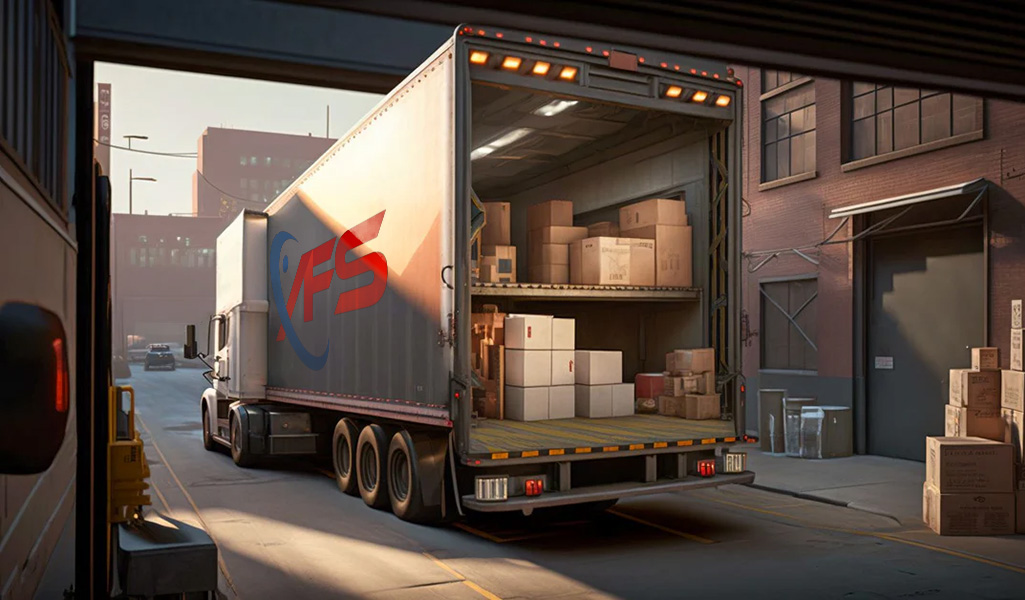
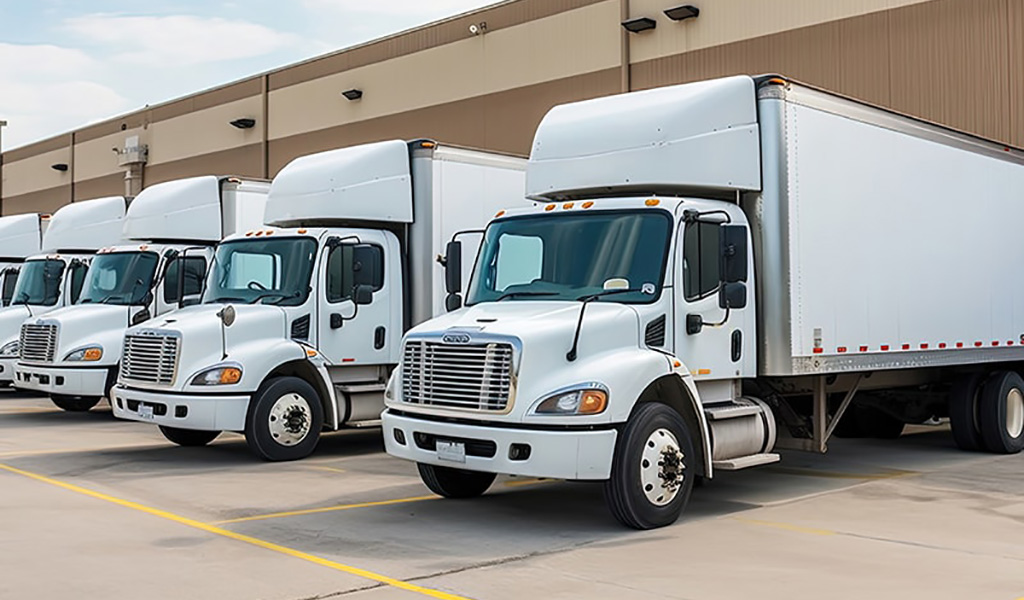
Less than truckload shipping is exactly what it sounds like. Instead of paying for an entire truck to carry your freight, you pay only for the space your shipment actually occupies. The remaining space on that truck is filled with freight from other shippers heading in similar directions. Everyone shares the truck. Everyone shares the cost. It's a genuinely smart arrangement when you're moving shipments that are too large or too heavy for standard parcel carriers but not large enough to fill a trailer on their own.
In Canada, this matters more than most sellers initially realize. The country's geography is unforgiving. Distances between major population centres are enormous. Fuel costs are high. And parcel carriers apply dimensional weight pricing that can make moving larger items brutally expensive if you're not careful. Less than truckload shipping fills a very specific and very valuable gap between parcel delivery and full truckload freight, and for a certain class of e-commerce shipment, nothing else comes close on value.
For e-commerce sellers, common LTL candidates include furniture, appliances, fitness equipment, bulk orders of consumer goods, business-to-business wholesale shipments, and anything that requires a pallet for safe handling. If your average order is starting to look like this, it's worth understanding LTL properly rather than defaulting to whatever carrier you've always used.
How LTL Rates Actually Work in Canada
One of the most common sources of confusion for sellers new to freight is pricing. Parcel shipping feels simple. You punch in dimensions and weight, and a number comes back. LTL pricing has more moving parts, and if you don't understand them, you will get surprised by invoices that don't match your expectations.
The foundational concept in LTL pricing is the freight class system, formally called the National Motor Freight Classification (NMFC). Every type of cargo is assigned a class from 50 to 500 based on four factors: density, stowability, handling difficulty, and liability. A class 50 shipment, which is typically very dense and easy to handle, costs significantly less per hundredweight than a class 500 shipment, which might be fragile, oddly shaped, or difficult to stack.
Beyond freight class, your LTL rate will be shaped by the total weight of your shipment, the origin and destination postal codes, any fuel surcharges in effect at the time of shipment, and whether you need any accessorial services. Accessorials are the extras: liftgate service if neither location has a loading dock, residential delivery surcharges, inside delivery, notification calls before delivery, and so on. These add up faster than most sellers expect.
LTL vs. Parcel vs. Full Truckload: Which One Is Right for You?
A lot of sellers stay on parcel carriers too long because it's familiar. Others jump to full truckload before their volumes justify it. Understanding where each shipping mode actually makes sense will save you real money and real headaches.
| Factor | Parcel | LTL Freight | Full Truckload |
|---|---|---|---|
| Typical weight | Under 150 lbs | 150 lbs to 15,000 lbs | 15,000 lbs and above |
| Pallet-friendly | No | Yes | Yes |
| Cost for mid-size loads | High (dim weight) | Efficient | Expensive (unused space) |
| Transit time predictability | High | Moderate | High |
| Good for B2B wholesale | No | Yes | Yes |
| Handling risk | Low | Moderate | Low |
The honest truth is that most growing e-commerce businesses in Canada need all three modes at different times for different product types and different order sizes. The goal isn't picking one and committing to it forever. The goal is understanding which tool fits which job.
Packaging and Palletizing: Where Most E-Commerce Sellers Go Wrong
Here's something nobody tells you when you first start shipping freight: the way you package and palletize your goods has an enormous impact on both your cost and the safety of your shipment. LTL freight moves through multiple terminals and gets handled multiple times before it reaches its destination. If your packaging isn't built for that reality, you will see damage claims. And damage claims are expensive, time-consuming, and terrible for customer relationships.
Palletizing properly means using the right size pallet for your freight, securing your goods with stretch wrap that goes all the way down to the pallet deck, avoiding overhang beyond the pallet edges where possible, and never stacking fragile items under heavy ones. It sounds basic, but the number of damaged shipments that trace back to poor palletizing is genuinely surprising.
It also pays to document your pallets with photographs before pickup. If a damage claim does arise, that documentation is often the difference between a successful claim and a rejected one. It takes thirty seconds and it has saved sellers thousands of dollars in claim disputes.
What to Expect for LTL Delivery Timelines Across Canada
One of the adjustments e-commerce sellers have to make when they move into less than truckload shipping is resetting expectations around transit times. Parcel carriers have conditioned us all to expect precise, often next-day windows. LTL freight operates on a different rhythm, and your customers need to understand that if you're shipping direct to them.
Within a major city or between adjacent provinces, LTL transit times typically run one to three business days. Cross-country shipments, say from Vancouver to Halifax, can take seven to ten business days depending on the carrier's routing and whether your freight moves through multiple terminals. Remote areas and northern destinations add additional time and often additional cost through what carriers call remote delivery surcharges.
The transit time variability in LTL is real, and it comes from the nature of the service. Your freight shares a trailer with other shippers' goods. Pickups and deliveries happen along a route. If another stop on that route creates a delay, it can push your delivery back. This isn't a flaw in the system. It's the tradeoff you make for the cost savings that LTL provides.
How to Pick the Right LTL Carrier for Your Canadian Business
Not all LTL carriers are created equal, and in Canada, carrier selection matters more than it does in markets with denser carrier networks. The country's geography means that some carriers have strong coverage in Western Canada but limited service in the Maritimes, or vice versa. Choosing a carrier whose network actually matches your shipping lanes is the first and most important criterion.
Beyond network coverage, look at a carrier's claims ratio. A carrier that handles freight carefully and resolves claims quickly is worth a premium over one that offers slightly lower rates but has a reputation for damaged goods and slow claim resolution. Ask potential carriers for their on-time delivery performance metrics and their damage claim rates. Reputable carriers will share this information willingly.
Working with a freight broker like AFS Trans Co. gives you access to multiple carriers through a single relationship. Rather than negotiating with six different LTL carriers, comparing their rates, managing their documentation requirements, and tracking shipments across multiple portals, you work with one partner who does all of that on your behalf. For growing e-commerce businesses without a dedicated logistics team, this is often the most practical and cost-effective approach.
Using Less Than Truckload Shipping as a Competitive Advantage
Here's a perspective shift worth sitting with. Most e-commerce sellers think of shipping as a cost to be minimized. The best ones think of it as a lever they can pull to win business that their competitors can't handle as well.
When you understand less than truckload shipping deeply enough to use it strategically, you unlock the ability to carry products that your parcel-only competitors simply can't ship economically. Bulky items, heavy goods, large format products. These are categories where competition is often lower because the logistics are more complex. If you can solve that complexity better than the next seller, you have a genuine edge.
You can also use LTL to serve B2B customers that your competitors ignore entirely. Wholesale orders, retail replenishment, institutional buyers. These customers often buy in pallet quantities, pay promptly, and maintain long-term relationships with suppliers who can reliably move their orders. Getting your LTL operation right is the foundation of serving this customer segment well.
At AFS Trans Co., we've watched Canadian e-commerce businesses make this transition and genuinely grow because of it. The sellers who invest the time to understand freight, build good carrier relationships, and price their products to account for LTL costs accurately are the ones who enter categories with better margins and less competition. It's not a guaranteed outcome, but it's a real and repeatable pattern.
Freight Isn't Just Logistics. It's Strategy.
If you've read this far, you already know more about LTL freight than the majority of your e-commerce competitors. That knowledge gap is actually worth something. The sellers who understand how freight pricing works, how to palletize properly, how to set realistic customer expectations, and how to choose the right carrier are the ones who grow into freight categories confidently rather than stumbling into them expensively.
The supply chain in Canada is genuinely complex. Vast distances, weather variability, regulatory nuances at provincial borders, and a carrier market that rewards those who understand it. None of that has to be intimidating if you approach it with the right information and the right partner.
Less than truckload shipping is one of the most valuable tools available to growing Canadian e-commerce businesses. It bridges the gap between the parcels you've outgrown and the full truckload volumes you haven't yet reached. Used well, it opens product categories, unlocks B2B revenue, and builds a logistics foundation that scales with your business rather than breaking under it.
AFS Trans Co. works with Canadian e-commerce businesses at every stage of that journey. Whether you're booking your first LTL shipment and want someone to walk you through it, or you're managing dozens of freight lanes and need a partner who can optimize across all of them, we're here to help you move smarter.
The best time to get your freight strategy right was when you first started shipping heavy goods. The second best time is right now.