Effective Logistics and Supply Chain Management is the backbone of every successful business operating today, whether you're shipping a handful of products a week or moving thousands of pallets across continents. Anyone who has run a business knows the feeling: a shipment delayed by a day can mean a customer lost for good, a missed restock can mean an empty shelf right when demand spikes, and a single broken link in the chain can ripple through an entire operation for weeks. That's why getting the fundamentals right isn't optional anymore. It's the difference between a company that scrambles to react and one that moves with confidence.
This guide walks through what actually matters when building, running, and improving a supply chain in 2026. No fluff, no recycled definitions you've read a hundred times before. Just practical insight drawn from how real businesses, including teams at companies like AFS Trans Co., approach the problem every day.
Understanding the Core of Logistics and Supply Chain Management
At its heart, this discipline covers everything involved in getting a product from raw material to a customer's hands. That includes sourcing, manufacturing, warehousing, transportation, inventory control, and final delivery. People sometimes use "logistics" and "supply chain" interchangeably, but there's a subtle distinction worth knowing. Logistics typically refers to the physical movement and storage of goods, while supply chain management is the broader umbrella that includes supplier relationships, demand planning, and the strategic decisions that shape how goods flow through a network.
When these two pieces work together smoothly, businesses see lower costs, faster delivery times, and happier customers. When they don't, the cracks show up fast: stockouts, overstocking, wasted fuel, frustrated drivers, and angry emails from clients asking where their order is.
Why This Matters More Than Ever for Modern Businesses
A decade ago, customers tolerated a week-long wait for an online order. Today, two-day shipping feels slow to many shoppers, and same-day delivery is becoming the expectation in major markets. This shift has put enormous pressure on companies to rethink how they manage the movement of goods. Add in global disruptions, fluctuating fuel prices, and unpredictable demand swings, and it becomes clear why so many businesses are investing heavily in this area.
I've spoken with operations managers who describe the last few years as a wake-up call. The pandemic exposed just how fragile many networks were. Single-supplier dependencies, lack of visibility into shipment status, and outdated forecasting models left companies scrambling. The lesson learned, painfully in many cases, is that resilience has to be built in from the start rather than bolted on after a crisis.
Key Components Every Business Should Master
1. Demand Forecasting and Planning
Nothing else works well if you can't predict what customers will want and when. Poor forecasting leads to either too much inventory sitting in a warehouse collecting dust, or too little stock causing missed sales. Modern forecasting blends historical sales data with real-time market signals, seasonal trends, and even social media chatter to anticipate demand shifts before they happen.
2. Supplier Relationship Management
Your supply chain is only as strong as your weakest supplier. Building relationships with reliable vendors, diversifying sourcing so you're not dependent on a single region or company, and maintaining open communication channels all reduce risk. Businesses that treat suppliers as partners rather than transactional vendors tend to weather disruptions far better than those who don't.
3. Warehousing and Inventory Control
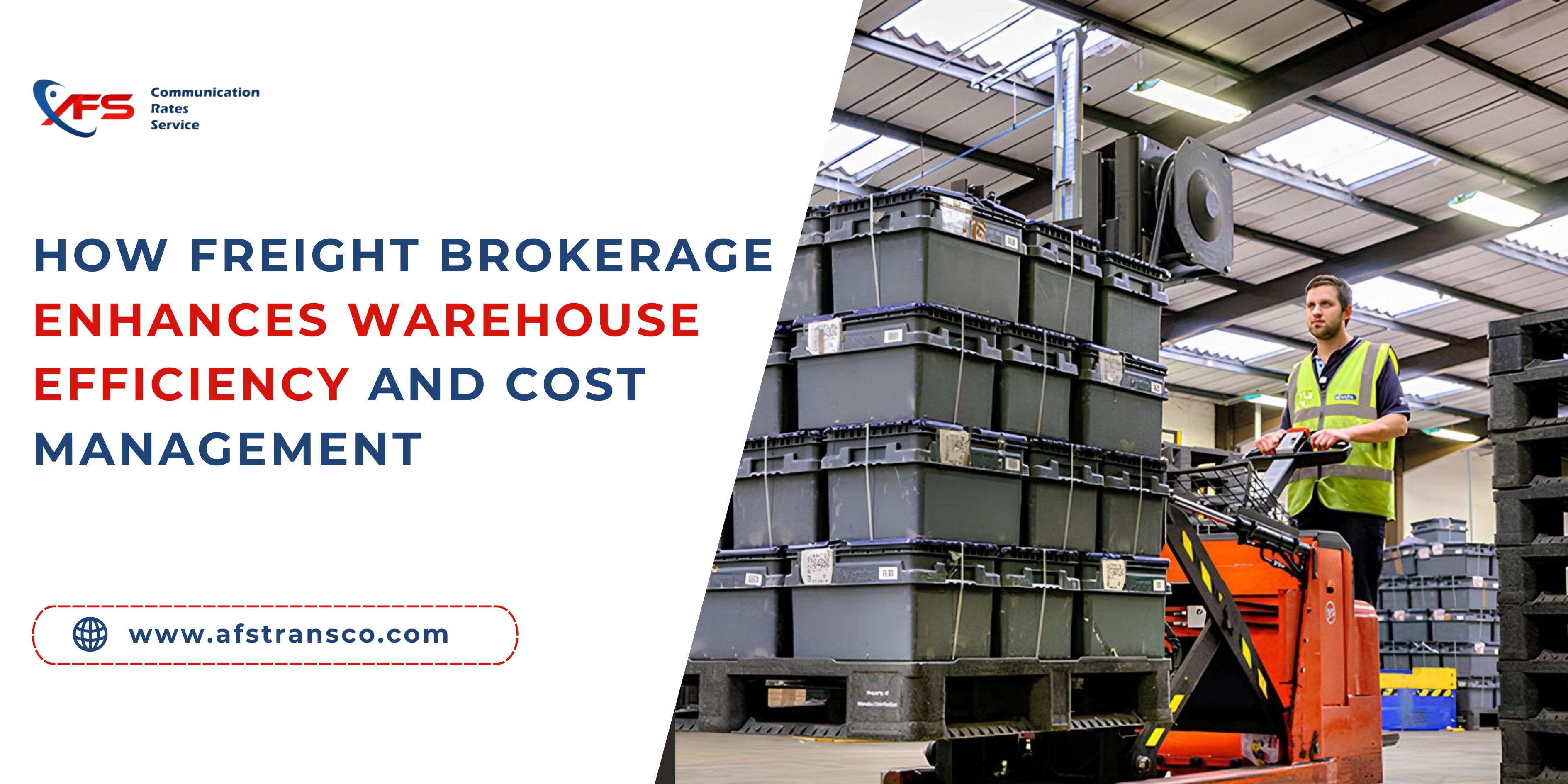
Storage isn't just about having a building full of shelves. It's about placement strategy, knowing what to keep close to high-demand markets, using technology to track stock levels in real time, and avoiding the twin traps of overstocking and understocking. Many businesses now use tiered warehousing, keeping fast-moving items in regional hubs while slower-moving inventory sits in centralized facilities.
4. Transportation and Freight Management
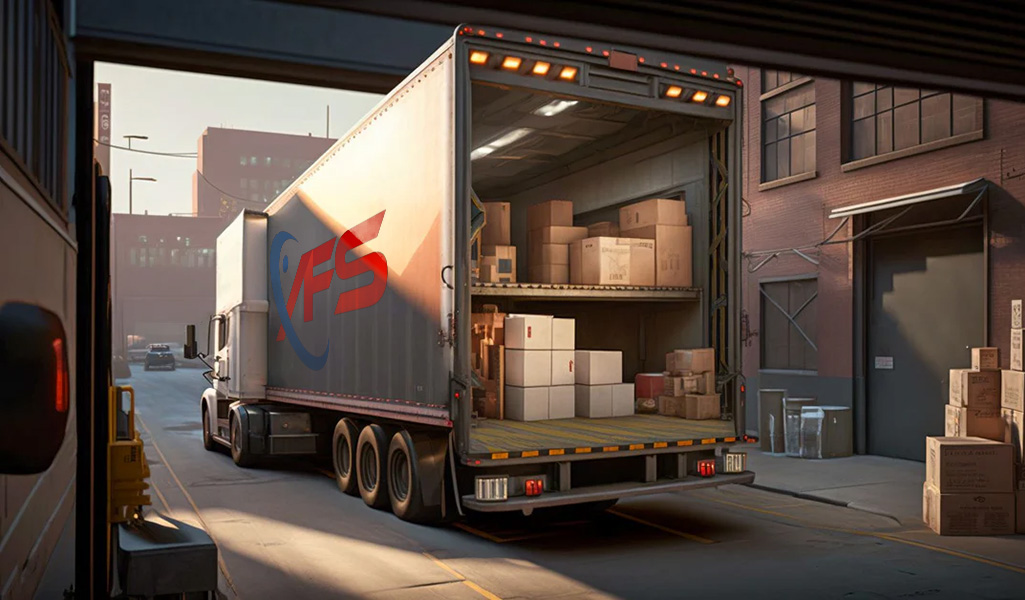
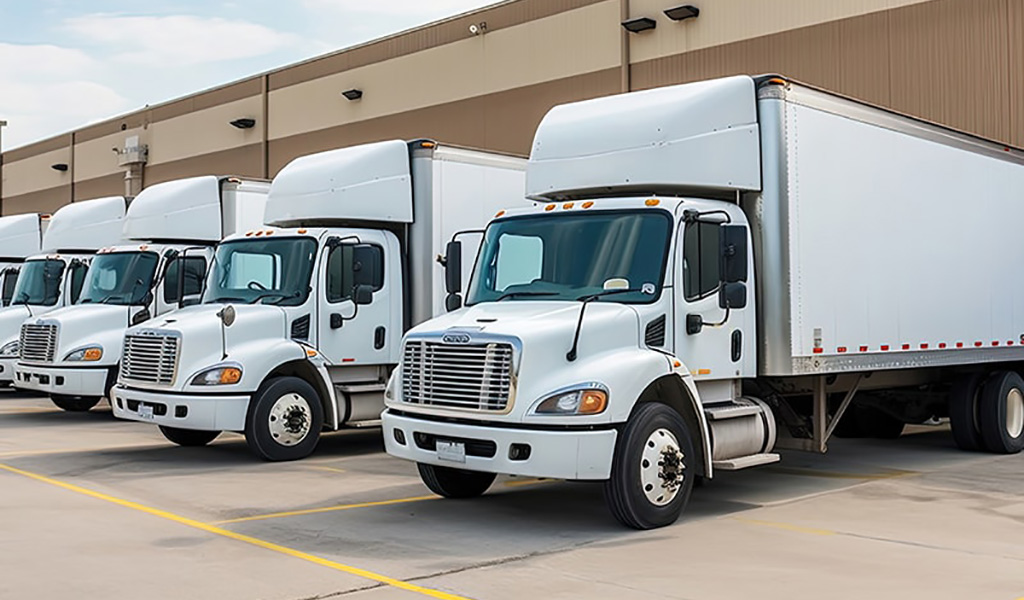
This is where Logistics and Supply Chain Management becomes most visible to the outside world, since it's the part customers actually notice when their package arrives late or on time. Choosing the right mix of road, rail, air, and ocean freight depends on cost, speed, and reliability needs. Companies like AFS Trans Co. have built their reputation on helping businesses navigate exactly this kind of decision, balancing cost efficiency with delivery speed so clients don't have to choose one over the other.
5. Technology and Visibility Tools
Spreadsheets and phone calls used to be how shipments got tracked. That era is fading fast. Today's businesses rely on transportation management systems, GPS tracking, and automated alerts that flag delays before they become disasters. Real-time visibility doesn't just help operations teams, it builds trust with customers who can see exactly where their order is at any given moment.
Common Challenges Businesses Face
No guide on this topic would be honest without acknowledging the headaches that come with it. Rising fuel costs eat into margins. Labor shortages in trucking and warehousing create bottlenecks. Geopolitical tensions can shut down entire trade routes overnight. And the sheer complexity of coordinating multiple vendors, carriers, and warehouses across different time zones can feel overwhelming even for experienced teams.
There's also the human side of this work that doesn't get talked about enough. Behind every on-time delivery is a dispatcher who stayed late to reroute a truck around a closed highway, a warehouse worker who caught a packing error before it shipped, or a planner who spent a weekend recalculating forecasts after an unexpected demand spike. This work is detailed, often thankless, and absolutely essential.
Building a Resilient and Efficient Supply Chain
So what separates businesses that thrive from those that constantly fight fires? A few patterns show up again and again when you study companies that handle disruption well.
First, they diversify. Relying on one supplier, one carrier, or one warehouse location is a gamble that eventually doesn't pay off. Spreading risk across multiple partners and regions gives businesses room to adapt when something inevitably goes wrong.
Second, they invest in data. Decisions made on gut feeling alone tend to age poorly. Businesses that track performance metrics, like on-time delivery rates, order accuracy, and inventory turnover, can spot problems early and adjust before small issues turn into expensive ones.
Third, they prioritize communication. A supply chain involves dozens of moving parts and people, from procurement teams to drivers to warehouse staff. When information flows freely between these groups, problems get caught and solved faster. When it doesn't, small miscommunications snowball into missed deadlines and frustrated customers.
Fourth, they choose partners who understand the bigger picture, not just the transaction in front of them. This is where working with an experienced logistics partner pays off. AFS Trans Co. has worked with businesses across various industries to design freight strategies that account for seasonal demand, regional challenges, and long-term growth plans rather than just quoting a price for a single shipment.
Sustainability's Growing Role
It would be incomplete to talk about modern logistics without mentioning sustainability. Customers increasingly care about the environmental footprint of the products they buy, and that scrutiny extends to how those products get delivered. Businesses are responding by optimizing delivery routes to cut fuel consumption, consolidating shipments to reduce the number of trucks on the road, and exploring electric and alternative fuel vehicles for last-mile delivery. These efforts aren't just good for the planet, they often reduce costs too, which makes the business case easy to justify even for companies that aren't primarily motivated by environmental concerns.
Practical Steps to Get Started
If your business is looking to tighten up its operations, start small and build momentum. Audit your current process first. Where are the delays happening? Which suppliers consistently underperform? What does your customer feedback say about delivery experiences? Once you have a clear picture, prioritize the one or two changes that will have the biggest impact, whether that's switching to a more reliable carrier, investing in inventory software, or renegotiating supplier terms.
Don't try to overhaul everything at once. Businesses that attempt a complete transformation overnight often end up with more confusion than improvement. Incremental, measured changes tend to stick better and give teams time to adjust without disrupting day-to-day operations.
Frequently Asked Questions
What is the difference between logistics and supply chain management? Logistics focuses on the physical movement and storage of goods, while supply chain management covers the broader network of suppliers, planning, and strategy that supports that movement from start to finish.
Why is supply chain visibility important for small businesses? Visibility allows businesses of any size to track shipments in real time, catch delays early, and communicate accurate delivery expectations to customers, which builds trust and reduces costly surprises.
How can a business reduce shipping and freight costs? Consolidating shipments, choosing the right transportation mode for each load, negotiating long-term carrier contracts, and partnering with experienced freight providers all help control costs without sacrificing reliability.
What technology tools are essential for modern logistics operations? Transportation management systems, real-time GPS tracking, automated inventory software, and demand forecasting tools are considered foundational for businesses aiming to stay competitive today.
How often should a business review its supply chain strategy? Most experienced operations teams recommend reviewing performance metrics quarterly, with a deeper strategic review at least once a year to account for market shifts, new suppliers, or changing customer expectations.
Final Thoughts
There's no single formula that works for every business, and anyone who claims otherwise is oversimplifying a genuinely complex field. What works for a small e-commerce shop won't necessarily work for a manufacturer shipping internationally. But the principles hold steady across the board: plan carefully, diversify your risk, invest in visibility, and treat your partners, both suppliers and carriers, as people you're building a long-term relationship with rather than just another line item.
Strong Logistics and Supply Chain Management isn't about chasing perfection. It's about building a system flexible enough to absorb the inevitable surprises while still getting products where they need to go, on time and without drama. Businesses that get this right don't just save money, they build the kind of reliability that keeps customers coming back. And in a market where patience is thinner than ever, that reliability might be the most valuable asset a company can have.