Quick Answer
Picture a furniture retailer with a customer waiting on a dining set. The pallets left the warehouse on Monday. It's Thursday, the customer has called twice, and the tracking page says "In transit" with no other detail.
That's a very common LTL experience, and it isn't always a sign that something's wrong. LTL freight moves differently from a full truckload, and once you understand how the updates work, tracking becomes far less stressful.
This guide explains how LTL freight tracking works, what each status really means, and what to check when you're shipping furniture. We also look at where warehousing in Vancouver and reverse logistics services fit into the picture, because tracking doesn't stop at the delivery dock when a couch comes back.
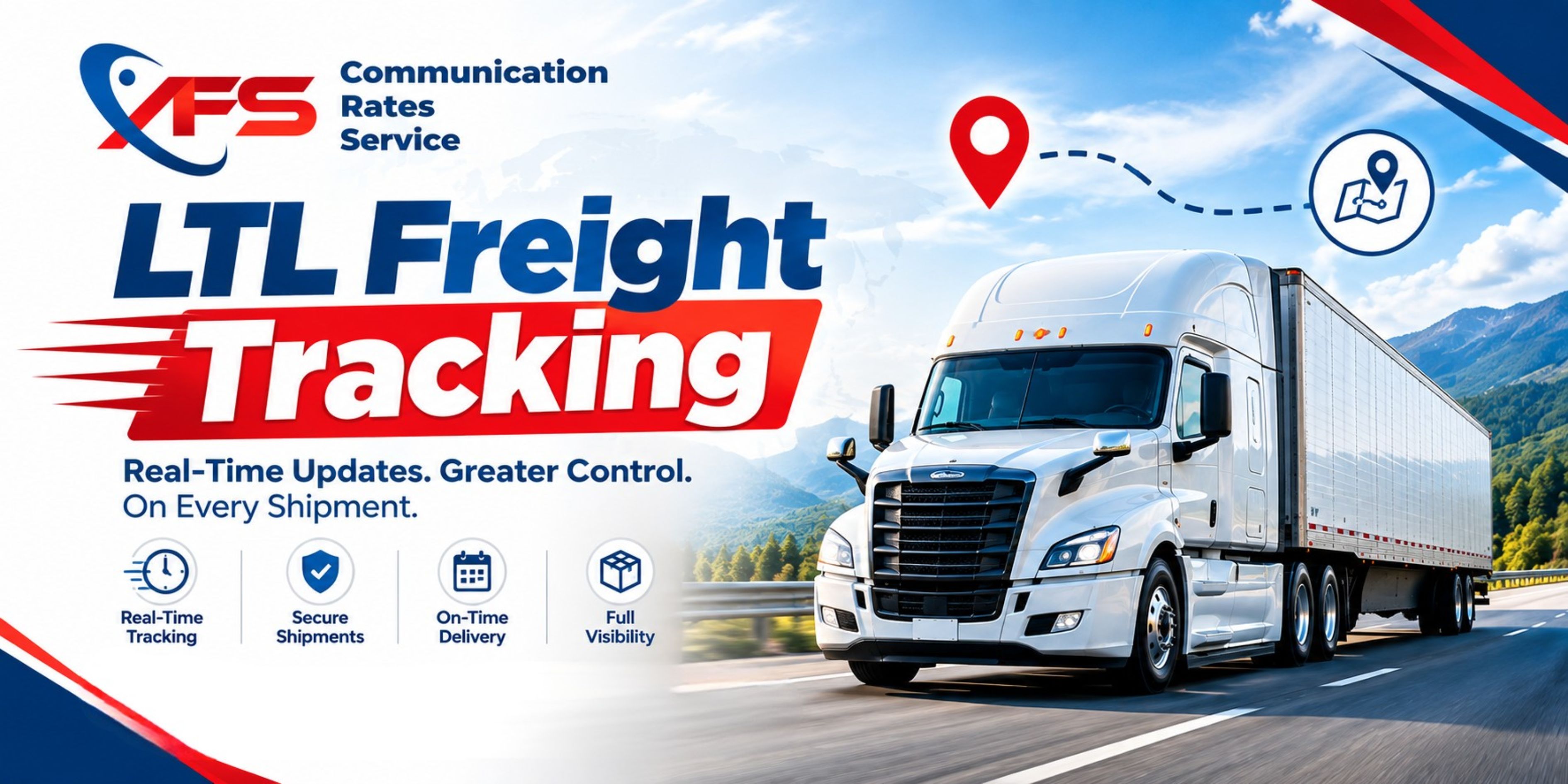
What Is LTL Freight Tracking?
Less-than-truckload (LTL) shipping lets you move freight that doesn't need a whole trailer. Your pallets share space with other shippers' freight, which keeps costs down. If you want to compare options, our LTL freight services in Vancouver page explains how the service works.
The trade-off is handling. An LTL shipment usually passes through at least one terminal, where it may be unloaded, sorted and loaded onto another truck. Tracking follows those handoffs.
Why It Matters More for Furniture
- More handling means more risk. Furniture is bulky, awkward and easy to scuff or crack.
- Deliveries often need planning. Large items may require a liftgate, a second person or a set appointment.
- Customers are waiting. A sofa or bed frame is rarely a casual purchase, so delays get noticed.
What You Need Before You Can Track
Have these details ready before you start. You'll usually only need one, but having all of them speeds things up if you have to call someone.
PRO Number: The carrier’s unique number for your shipment.
Find it on: Pickup paperwork or carrier/broker email.
Bill of Lading (BOL) Number: The shipping document number that identifies the freight and involved parties.
Find it on: Your shipping paperwork.
PO or Reference Number: Your own order or customer reference number.
Find it on: Your order management system.
Carrier Name: The company responsible for physically moving your freight.
Find it on: Your booking confirmation.
How to Track an LTL Shipment, Step by Step
- Get the PRO number. Ask your carrier or logistics provider for it at pickup, or check the booking confirmation.
- Find the right tracking page. Use the carrier's portal or the tracking link from your provider. If you ship with AFS Trans Co., the Track Shipment button on our homepage is the place to start.
- Enter the number. Type in your PRO or BOL number exactly as printed.
- Read the latest status. Check the date, time and location on the most recent scan.
- Set up alerts. Many systems can send email or text updates when the status changes.
- Confirm the delivery appointment. For furniture, don't wait until the truck is nearby. Call ahead.
Common LTL Tracking Statuses
Booked or Pending Pickup: The shipment is scheduled but has not been collected yet.
What to do: Confirm the pickup window and make sure the freight is ready.
Picked Up: The driver has collected the freight.
What to do: Keep a copy of the signed paperwork.
At Origin Terminal: The freight is being sorted and consolidated.
What to do: No action is usually needed. This stage can take a day or two.
In Transit: The freight is moving between terminals.
What to do: Check the tracking for the next scan.
At the Destination Terminal: The freight has reached the delivery area.
What to do: Confirm the delivery appointment.
Out for Delivery: The freight is on the final delivery truck.
What to do: Make sure someone is available to receive it.
Delivered: The freight has been delivered and signed for.
What to do: Inspect the shipment and note any damage.
Why LTL Tracking Updates Aren't Always "Live"
People are often surprised that LTL tracking doesn't look like a rideshare app. A full truckload usually has one truck and one destination, so GPS pings are easy to follow. LTL freight is different: it changes trucks and gets scanned at set points.
If the last scan is a day old and the freight is sitting at a terminal, that may simply be normal consolidation. If you're comparing shipping methods, our comparison of full truckload and less than truckload covers how tracking, cost and transit time differ.
Tracking Furniture Shipments: What Else to Check
A tracking number tells you where the freight is. It doesn't tell you how it's being handled, and furniture is where that matters most. Cover these points before pickup:
- Packaging. Use corner protectors, moving blankets or foam, stretch wrap and sturdy pallets or crating for fragile pieces.
- Accurate dimensions and weight. Wrong measurements can lead to billing adjustments and delays.
- Delivery services. Confirm whether the customer needs a liftgate, inside delivery or an appointment, and tell your carrier before booking. Ask what your carrier offers.
- Photos at pickup. Take pictures of the packed freight. They're useful evidence if there's a damage claim later.
- A named contact. Give the driver a phone number for someone who can answer on delivery day.
What to Do When the Freight Arrives
- Check the pallet count against the paperwork before the driver leaves.
- Look for damaged packaging, and open it if it looks suspicious.
- Note any damage or shortage on the delivery receipt before you sign.
- Take photos, and report the problem to the carrier promptly, since carriers set filing deadlines for claims.
What to Do When Tracking Shows a Delay
Delays happen. Weather, terminal backlogs, an incomplete address and missed delivery appointments are all common causes. If your tracking looks stuck:
- Check whether the status shows an exception note, such as a "missed appointment" or "address issue"
- Call the carrier or your logistics provider with the PRO number ready
- Confirm the delivery address and contact number are correct
- Tell your customer early, with a realistic new estimate
A logistics partner that uses a modern transportation management system can usually see more of this than you can from a public tracking page. Here's how a TMS improves delivery efficiency and accuracy.
Where Warehousing in Vancouver Fits In
Freight tracking covers the road. But for many furniture sellers, the trickiest part happens before the truck arrives and after it leaves. Stock needs somewhere to sit, be counted and be prepared for shipping.
That's where warehousing in Vancouver and the wider area comes in. A local warehouse can hold inventory close to your customers, stage orders for pickup, and handle repacking if a carton has been damaged. Our warehousing services in Vancouver, BC include rack storage, cross-docking and repacking, and our Surrey facility puts freight close to major routes.
Bringing logistics and warehousing services under one roof has a practical benefit. When your storage, freight and delivery information sit with one provider, there are fewer handoffs to chase and fewer places where updates get lost.
- Inbound: Receive, count, and inspect furniture as it arrives.
- Storage: Keep inventory organised and protected with proper rack storage.
- Order Preparation: Pick, pack, and stage pallets for the carrier’s pickup window.
- Repacking: Replace damaged cartons or rewrap items before shipping.
- Returns: Receive, inspect, and sort returned items.
Furniture Returns and Reverse Logistics Services
Furniture returns are expensive, bulky and awkward to deal with. A sofa that comes back with a torn corner can't just go back on the shelf, and tracking the return matters as much as tracking the original order.
Reverse logistics services cover everything that happens after a customer sends something back: collecting it, inspecting it and deciding what happens next. AFS Trans Co. offers reverse logistics services as part of its warehousing range, which helps keep returns from disappearing into a corner of the warehouse.
Unused, Undamaged: Inspect, repackage, and return to sellable stock.
Minor Cosmetic Damage: Repair or refurbish, then resell at full or reduced price.
Damaged in Transit: Document the damage, file a carrier claim, and hold the freight for inspection.
Beyond Repair: Recycle, donate, or dispose of the item according to your policy.
How to Choose a Logistics Partner With Good Visibility
Not every provider handles tracking the same way. Before you commit, ask:
- How can I check my shipments, and how quickly do updates appear?
- Who do I call if the tracking looks wrong, and how fast do they respond?
- Can you handle storage, freight and returns together?
- How do you handle damage claims and documentation?
- Which terminals and warehouses can you serve directly?
AFS Trans Co. has been moving freight for more than 15 years and combines trucking, warehousing and reverse logistics under one roof, with dispatch support available around the clock.
Conclusion
Good LTL freight tracking comes down to knowing your numbers, understanding what each status means and acting early when something looks wrong. With furniture, add careful packaging, clear delivery instructions and a proper check when the freight arrives.
Tracking is also just one part of a bigger picture. Where your stock is stored, how orders leave the building and how returns come back all shape the customer experience. A provider that handles those parts together makes life easier for everyone, including you.
If you'd like to talk through your freight, warehousing or returns process, the AFS Trans Co. team is always happy to help.
Frequently Asked Questions
What is a PRO number in LTL shipping?
A PRO number is a unique tracking number assigned by the carrier to your shipment. You'll use it on the carrier's tracking page, and it's the number to quote if you call about the freight.
How often does LTL freight tracking update?
It depends on the carrier, but updates usually appear when the freight is scanned at pickup, at a terminal or at delivery. That means status changes may come once or twice a day, rather than every few minutes.
Why hasn't my LTL tracking updated?
Freight sitting at a terminal may not be scanned again until it moves. If there's been no update for two business days beyond the estimated date, contact the carrier or your logistics provider with the PRO number.
What should I do if furniture arrives damaged?
Note the damage on the delivery receipt before signing, take photos and contact the carrier right away. Keep the packaging, as it may be needed for the claim.
What's the difference between LTL and FTL tracking?
A full truckload usually uses a single truck for the whole trip, so tracking can be more direct. LTL freight moves through terminals and is updated at scan points, so tracking looks more like a series of steps.
Can reverse logistics services handle furniture returns?
Yes, if the provider has the space and handling equipment. Furniture returns usually need inspection, repackaging and sorting into resell, repair or disposal, so ask what a provider does with bulky items.