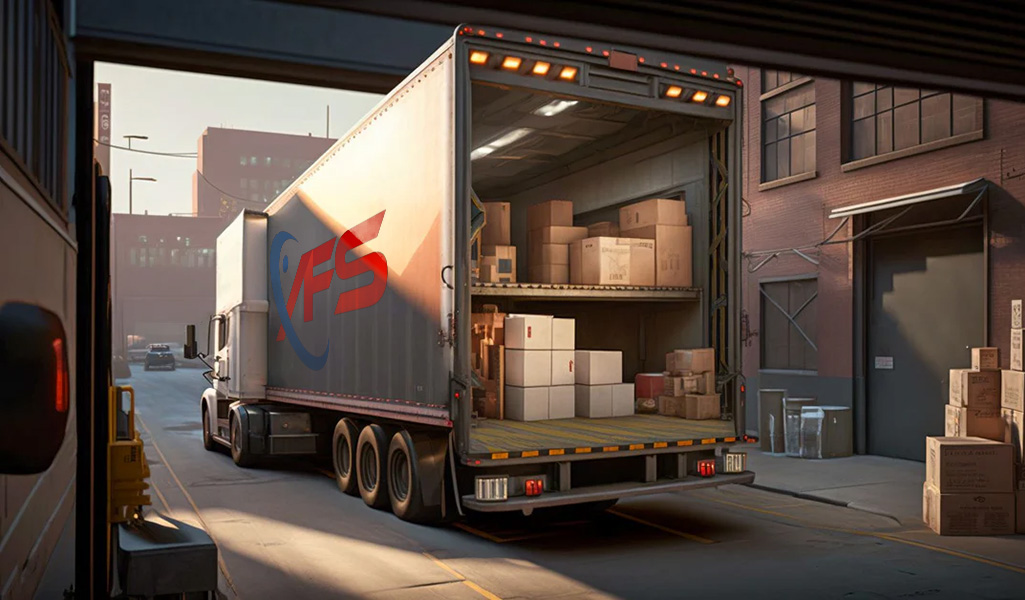
Every business owner who sells physical products knows the feeling. A customer sends something back, and that item just sits there. It takes up warehouse space. It ties up cash. Somebody has to decide what happens next, and most companies simply don't have a good answer. This is not a small problem. Returns cost businesses hundreds of billions of dollars every year, and a huge chunk of that value is never recovered. Products that could be resold, repaired, or repurposed end up in landfills instead, because the process to bring them back into the supply chain is slow, expensive, or nonexistent. This is exactly where reverse logistics steps in. It is the quiet, often overlooked side of supply chain management, but it can make the difference between a business that bleeds money on returns and one that turns returns into a genuine profit center. In this blog, we will break down what reverse logistics actually means, how it works in practice, and why more companies, including growing names like AFS Trans Co., are treating it as a serious strategic function rather than an afterthought. At its core, reverse logistics is the opposite of traditional logistics. Traditional logistics moves products from a manufacturer to a warehouse to a customer. Reverse logistics does the reverse journey, moving products from the customer back through the supply chain for inspection, repair, resale, recycling, or safe disposal. Reverse logistics services are the specialized processes and partnerships businesses rely on to manage this backward flow efficiently. Instead of treating a returned product as dead weight, these services create a system to sort, evaluate, and route each item to the place where it can generate the most value, whether that is back on the shelf, in a discount channel, or broken down for parts. It sounds simple on paper. In reality, it involves transportation, warehousing, quality inspection, data tracking, refurbishment, and compliance, all working together on a tight timeline. A single mistake anywhere in that chain, like a delayed inspection or a mislabeled item, can turn a recoverable product into a total loss. A lot of business owners still think of returns as a cost of doing business, something to tolerate rather than manage. That mindset is expensive. When returns are handled poorly, three things tend to happen. Inventory value disappears faster than expected. Customers get frustrated by slow refunds or replacements. And warehouses fill up with products that nobody has a plan for. On the flip side, businesses that invest in proper reverse logistics services often see a noticeable shift. Recovered products get back into circulation faster. Refund and exchange processes feel smoother to the customer, which builds trust and repeat business. And perhaps most importantly, the business starts to see actual data on why products are being returned in the first place, which can quietly fix problems upstream in manufacturing or fulfillment. There is also a sustainability angle that matters more every year. Consumers are paying closer attention to how brands handle waste. A returned product that gets refurbished and resold, rather than tossed out, tells a better story to the market. It also keeps a business on the right side of increasingly strict environmental regulations in many regions. The process usually starts the moment a customer initiates a return. From there, a well-run reverse logistics operation typically follows a few key stages. Collection and transportation. The product needs to physically travel back from the customer's location to a processing facility. This step alone requires careful route planning, especially for bulky or fragile items, to avoid adding damage on top of the original return reason. Inspection and sorting. Once the item arrives, it gets evaluated. Is it defective? Is it simply unwanted but in perfect condition? Is it expired or damaged beyond repair? This decision point shapes everything that follows, and it needs to happen quickly, because delays here are where most lost value hides. Refurbishment or repair. Many returned products are not actually broken. A phone with a scratched screen protector, a jacket that was tried on and didn't fit, or an electronics item with a minor cosmetic flaw can often be restored to like-new condition and sold again, sometimes at full price. Resale or redistribution. Recovered products can go back into primary inventory, get sold through discount or outlet channels, or be routed to secondary markets. Some businesses partner with liquidation networks specifically for this purpose. Recycling and disposal. For items that genuinely cannot be reused, responsible recycling and disposal close the loop, keeping materials out of landfills and, in many industries, keeping the business compliant with waste regulations. Companies like AFS Trans Co. have built their reputation around managing this exact chain of events with speed and accuracy, understanding that every hour a product sits unprocessed is an hour of value slipping away. It is worth being direct about the money here, because that is usually what convinces business owners to take action. When reverse logistics is handled well, it typically affects the bottom line in a few concrete ways. First, recovery rates improve. Instead of writing off a large percentage of returned inventory as a loss, businesses can often recover 30 to 70 percent of the original product value, depending on the industry and product category. That difference adds up fast at scale. Second, warehousing costs go down. Products that are processed quickly do not linger in storage, which frees up space and reduces holding costs. Third, customer lifetime value tends to rise. A smooth, fast return experience is one of the biggest factors in whether a customer buys from the same brand again. People remember how a company treated them when something went wrong, often more than they remember the original purchase. This is one of the main reasons reverse logistics services have shifted from being viewed as a cost center to being viewed as a competitive advantage. Businesses that get this right are not just saving money, they are quietly building customer loyalty in the background. Not every business needs the same setup. A small ecommerce store with a few hundred returns a month has very different needs from a large retailer processing tens of thousands. That said, there are a few things worth looking for when evaluating a partner or building an internal process. Speed matters more than almost anything else. The longer a product sits unprocessed, the more its value erodes. Look for a partner with clear turnaround time commitments. Visibility matters too. A good reverse logistics operation gives businesses real-time data on where returns are in the process, what condition they arrived in, and what happened to them next. Without this data, it is nearly impossible to spot patterns or fix root causes. Flexibility is another factor. Product categories differ wildly. Apparel returns look nothing like electronics returns, and both look nothing like returns for perishable goods. A provider that understands the nuances of a specific industry will generally outperform a generic, one size fits all approach. This is where working with an experienced logistics partner becomes valuable. AFS Trans Co. has positioned itself in this space by focusing on tailored reverse logistics services that account for the specific product types, volumes, and timelines each client works with, rather than applying a blanket process across every business. A few patterns show up again and again when reverse logistics goes wrong. Businesses often underestimate the volume of returns they will actually receive, especially in categories like apparel and footwear where sizing issues drive high return rates. They also frequently delay inspection, letting products pile up before anyone decides what to do with them, which quietly destroys resale value over time. Another common mistake is treating every returned item the same way, sending everything to liquidation regardless of its actual condition. This leaves real money on the table, since many returned products are perfectly sellable with minimal work. Finally, some businesses simply do not track return data at all. Without that information, it becomes impossible to identify whether a product has a design flaw, a shipping issue, or a description problem driving the returns in the first place. Returns are never going away. If anything, they are becoming more common as online shopping continues to grow. The businesses that thrive are not the ones that avoid returns entirely, since that is not realistic, but the ones that build a smart, fast, well-organized system to handle them. A thoughtful approach to reverse logistics services turns what used to be a pure loss into a genuine opportunity for recovered revenue, better customer relationships, and a smaller environmental footprint. Whether a business handles this in house or partners with a specialist like AFS Trans Co., the underlying principle stays the same. Every returned product still has value in it somewhere. The job of reverse logistics is simply to find it before it disappears. For businesses still treating returns as an afterthought, now is a reasonable time to rethink that approach. The value recovered from a well managed return process can quietly become one of the more dependable sources of profit a business has, and it starts with taking reverse logistics seriously as its own function rather than a side effect of selling products. Every return sitting unprocessed in a warehouse is value quietly slipping away. AFS Trans Co. helps businesses build faster, smarter reverse logistics services that recover more revenue, reduce waste, and keep customers coming back. Call AFS Trans Co. today at +1 604-260-6310 to get a reverse logistics plan built around your business.What Are Reverse Logistics Services
Why Businesses Cannot Afford to Ignore This
How Reverse Logistics Services Actually Work
The Financial Case for Reverse Logistics Services
Choosing the Right Reverse Logistics Services for Your Business
Common Mistakes Businesses Make
Conclusion
Ready to Stop Losing Money on Returns?
Frequently Asked Questions About Reverse Logistics Services
Everything you need to know about our reverse logistics services.