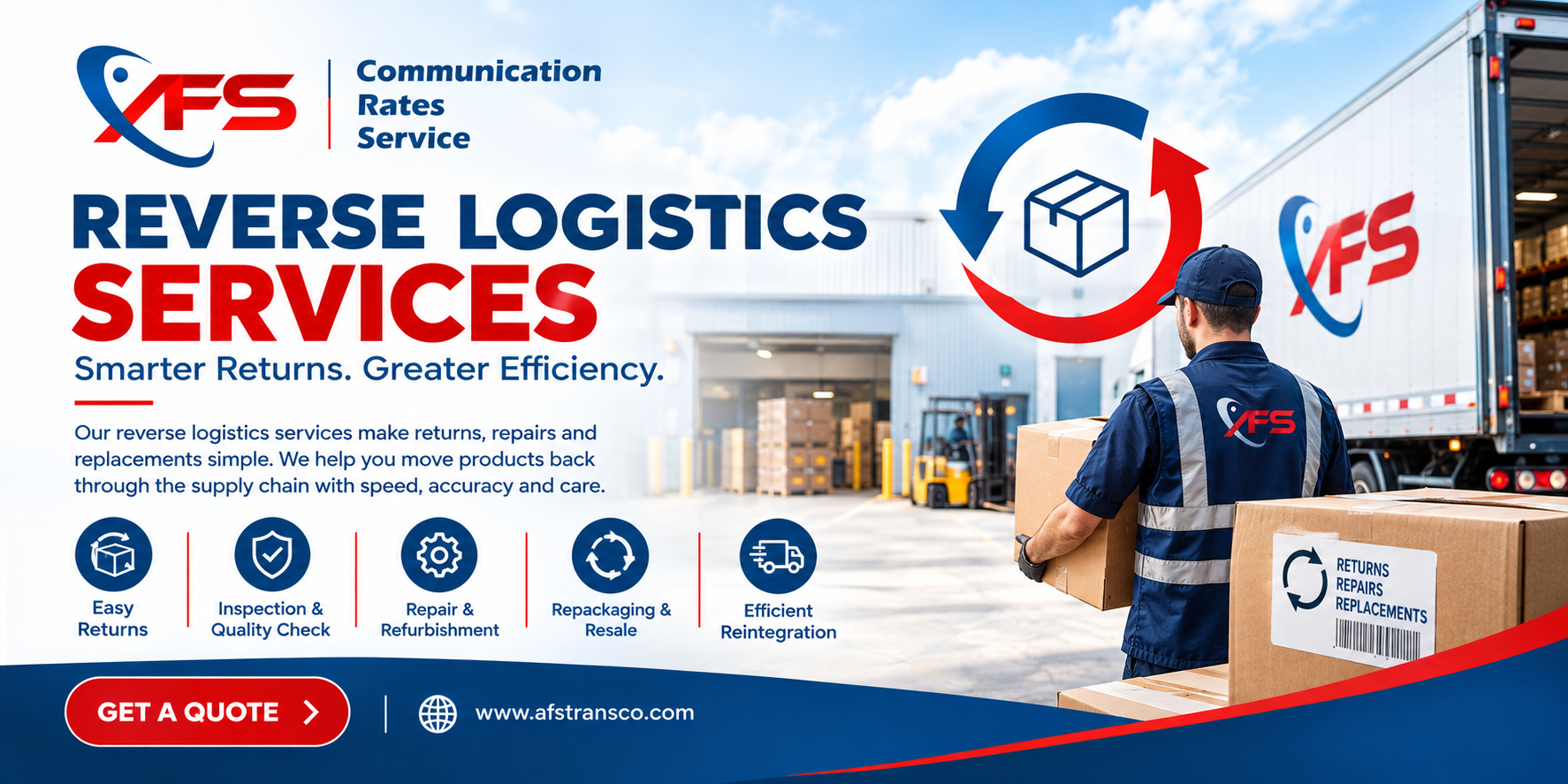
Product returns are a regular part of business operations across many industries. Customers may return products because of exchanges, incorrect orders, damaged goods, or other reasons. Once a product begins its return journey, businesses need a clear process for collection, transportation, inspection, storage, and final processing.
Reverse logistics services help manage this movement by connecting returned products with the transportation, warehouse, and processing activities they need. Depending on the product condition, returned goods may be placed back into inventory, repaired, repackaged, redistributed, recycled, or sent for final processing.
A well-organised return process can help businesses coordinate freight movements while keeping returned products connected with their wider supply chain operations.
What Are Reverse Logistics Services?
Reverse logistics refers to the movement of goods back through the supply chain after they have reached a customer, retailer, or another destination. Traditional logistics generally moves products from suppliers towards customers, while reverse logistics manages the return journey.
Reverse logistics services can include return transportation, product collection, warehouse receiving, inspection, sorting, storage, repair, redistribution, recycling, and final processing.
The process can vary depending on the product, reason for return, and business requirements. A product in good condition may be checked and returned to inventory, while a damaged product may require repair or another form of processing.
For businesses handling regular returns, an organised reverse logistics process provides a clear way to manage returned goods and coordinate them with transportation and warehouse operations.
What Are the Main Steps in the Reverse Logistics Process?
Reverse logistics involves several stages. Each stage helps move returned products towards the most suitable next destination.
1. Return Collection and Transportation
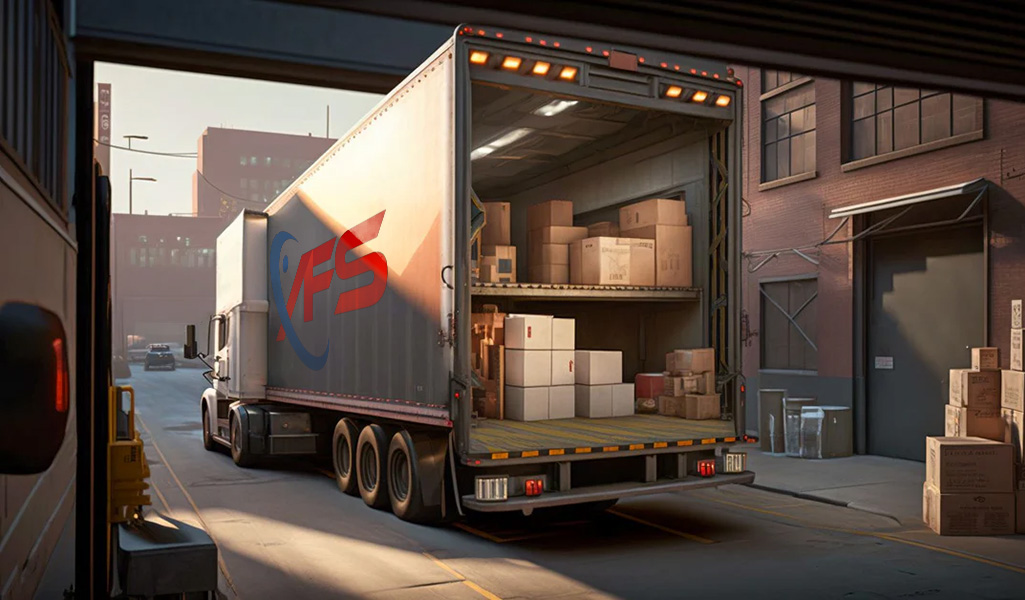
The process starts when a product needs to be collected from a customer, retailer, distribution point, or another location. Businesses need to plan transportation based on the number of returns, pickup locations, product type, and final destination.
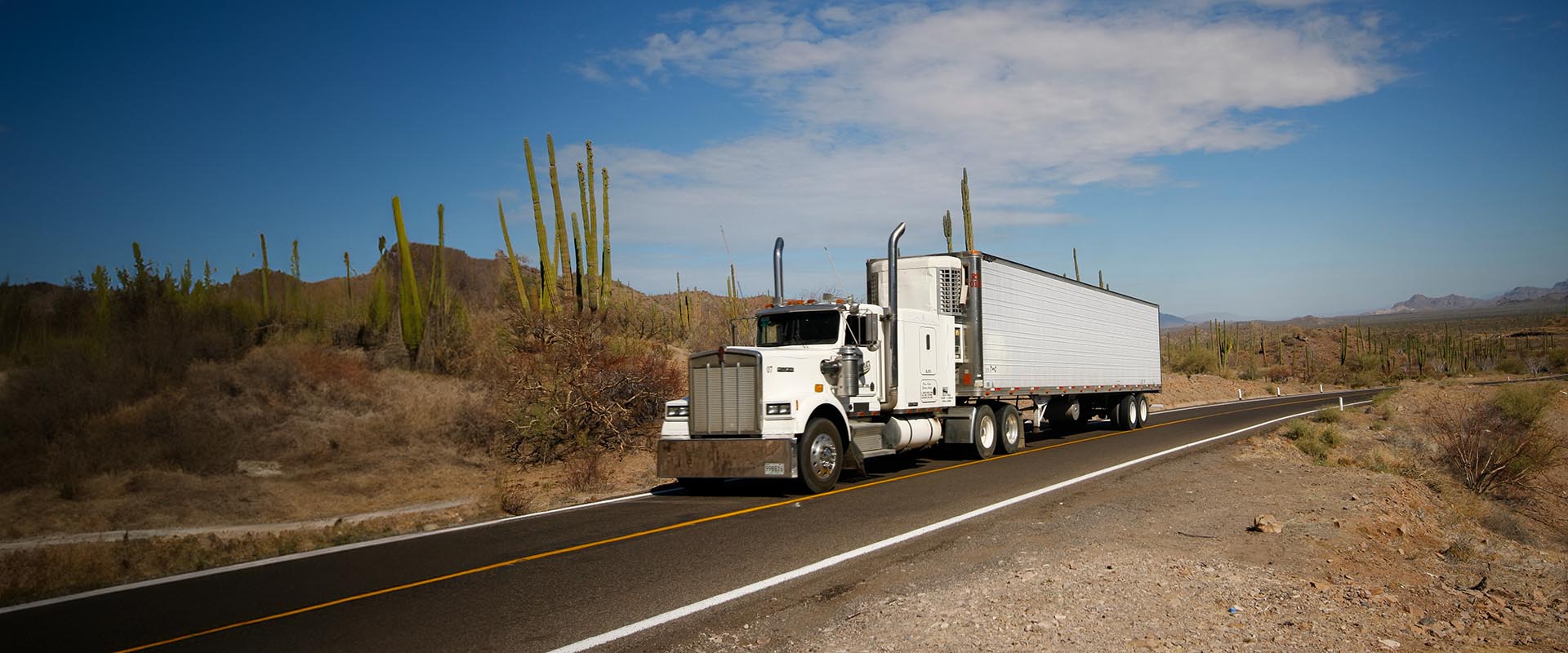
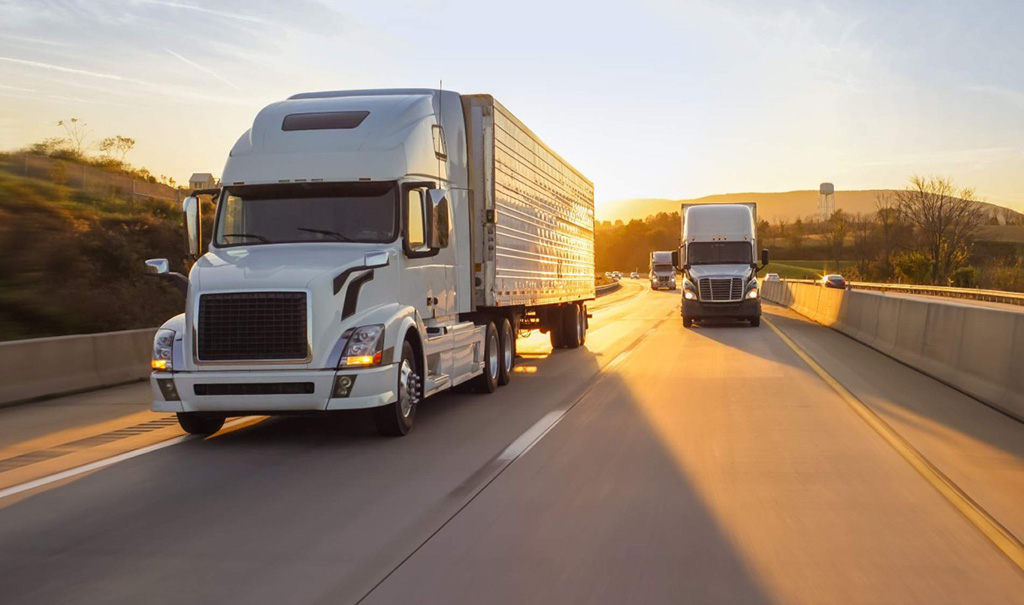
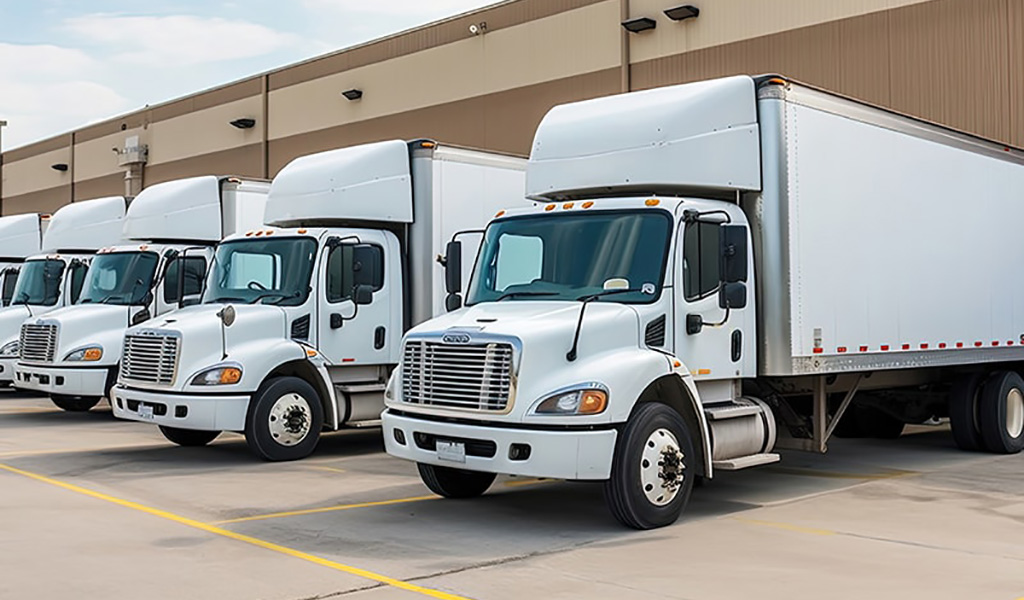
Depending on the shipment requirements, truck trailer services can provide transportation support for moving returned freight between collection points, warehouses, and processing facilities.
Suitable trailer arrangements can help businesses manage larger return shipments while keeping pickup and delivery schedules organised. Transportation planning also helps connect reverse shipments with regular freight movements.
2. Receiving and Inspection
After returned goods reach a warehouse or designated facility, they need to be received and inspected.
Warehouse teams may check the product condition, packaging, quantity, documentation, and other relevant details. The results of the inspection can determine the next step for each item.
Products in suitable condition may be prepared for resale or returned to inventory. Other goods may need repair, repackaging, recycling, or further processing.
Clear receiving procedures can help businesses maintain accurate records and keep returned products organised from the time they arrive at the facility.
3. Sorting and Storage
After inspection, returned goods can be sorted according to their condition and intended destination.
For example, products may be separated into categories such as resale, repair, replacement, recycling, or final processing. Organised sorting helps warehouse teams identify what needs to happen to each product.
Some returned goods may also need temporary storage before being moved to another location. Designated storage areas can help keep different types of returned products separated and easier to manage.
4. Repair, Reuse, or Redistribution
Not every returned product needs to leave the supply chain. Depending on its condition, a product may be repaired, repackaged, refurbished, or prepared for redistribution.
Suitable products can be returned to inventory or transported to another distribution facility. This creates another movement within the supply chain and requires coordination between warehouse and transportation teams.
A reliable transportation process can help businesses move these products between warehouses, repair facilities, suppliers, and other locations according to their operational requirements.
5. Final Processing and Disposal
Some returned goods may not be suitable for resale, repair, or reuse. These products may require recycling, disposal, or another form of final processing.
The appropriate process depends on the product type and the requirements of the business. Returned goods should be directed to the correct facility or processing location according to established procedures.
Maintaining clear records throughout this stage can also help businesses track where products go after leaving the warehouse.
How Does Trans Service Logistics Support Reverse Logistics?
Reverse logistics depends on more than product returns. Transportation, warehousing, scheduling, and freight coordination all play a role in moving returned goods through the supply chain.
Trans service logistics can support these activities by connecting transportation requirements with different stages of the logistics process. This may include coordinating freight pickups, transportation schedules, warehouse movements, and deliveries between different locations.
For example, a returned product may be collected from a customer, transported to a warehouse, inspected, and then moved to a repair facility or another distribution location. Coordinating each movement helps businesses maintain a clear process throughout the return journey.
For companies managing regular freight volumes, having transportation and logistics activities properly coordinated can make it easier to manage both forward and reverse shipments.
What Are the Benefits of Reverse Logistics Services?
A structured reverse logistics process can support businesses in several important areas.
Better Return Management
A clear process helps businesses manage returned products from collection through final processing. Each stage can be organised according to product condition, destination, and business requirements.
Improved Inventory Coordination
Returned products can affect inventory levels and records. Organised return processes help businesses identify products that can go back into inventory and separate those requiring repair, recycling, or other processing.
More Organised Transportation
Return shipments may involve several pickup points and destinations. Coordinating transportation can help businesses manage these movements alongside regular freight activities.
Better Supply Chain Coordination
Reverse logistics connects transportation, warehousing, inventory management, and product processing. Keeping these activities connected can support better coordination across the wider supply chain.
Support for Product Recovery
Products that can be repaired, reused, repackaged, or redistributed can continue through the supply chain. A structured process helps businesses identify these products and arrange their next stage.
What Should Businesses Consider When Choosing Reverse Logistics Services?
Businesses should review several factors when selecting a reverse logistics provider.
Transportation coverage is important because returned products can come from customers, retailers, warehouses, and distribution locations across different areas. Businesses should consider whether the provider can support their expected return volumes and required delivery locations.
Warehouse capabilities are also important. The provider should have suitable facilities for receiving, inspecting, sorting, storing, and preparing returned goods for their next destination.
Businesses should also consider product type and handling requirements. Some goods may require specific packaging, storage conditions, transportation arrangements, or processing procedures.
Communication and shipment tracking should also be reviewed. Clear information about pickup schedules, shipment movement, warehouse receiving, and final processing can help businesses keep their return operations organised.
The Role of Reverse Logistics in the Supply Chain
Reverse logistics is closely connected with the wider supply chain. Returned goods can move through transportation networks, warehouses, repair facilities, suppliers, and distribution centres before reaching their final destination.
For example, a product may be collected from a customer using suitable transportation, delivered to a warehouse for inspection, sorted according to its condition, and then transported to another facility for repair, redistribution, recycling, or final processing.
This makes coordination important at every stage. When transportation and warehouse activities work together, businesses can create a clearer process for managing returned products and planning the freight movements involved.
Conclusion
Reverse logistics covers much more than collecting a returned product. It can involve transportation, receiving, inspection, sorting, storage, repair, redistribution, recycling, and final processing.
Using suitable truck trailer services, coordinating trans service logistics, and managing reverse logistics services as part of the wider supply chain can help businesses keep return shipments organised from collection to their final destination.
AFS Trans Co. provides transportation and logistics services for businesses with different freight and supply chain requirements. Contact the team today to discuss your transportation, warehousing, and reverse logistics needs.
FAQs
1. What are reverse logistics services?
Reverse logistics services help businesses manage the movement of products from customers, retailers, or other destinations back through the supply chain. Services can include transportation, receiving, inspection, sorting, storage, redistribution, recycling, and final processing.
2. What are the main stages of the reverse logistics process?
The main stages can include return collection, transportation, receiving, inspection, sorting, storage, repair or redistribution, recycling, and final processing. The exact process depends on the product and business requirements.
3. How do truck trailer services support reverse logistics?
Truck trailer services can help transport returned goods between customers, retailers, warehouses, processing facilities, and other locations. The appropriate transportation arrangement depends on shipment size, product type, pickup locations, and delivery requirements.
4. What is the role of trans service logistics in return management?
Trans service logistics can help coordinate transportation activities involved in the return process. This may include freight pickups, shipment scheduling, warehouse movements, and transportation between different facilities.
5. What should businesses consider when choosing a reverse logistics provider?
Businesses should consider transportation coverage, warehouse facilities, product handling capabilities, return volumes, shipment tracking, communication, and the provider's ability to coordinate return activities with their wider logistics operations.