Co-Packing & Contract Packaging Services Vancouver | Food, Beverage & CPG
Co-Packing & Contract Packaging Services Vancouver | Food, Beverage & CPG
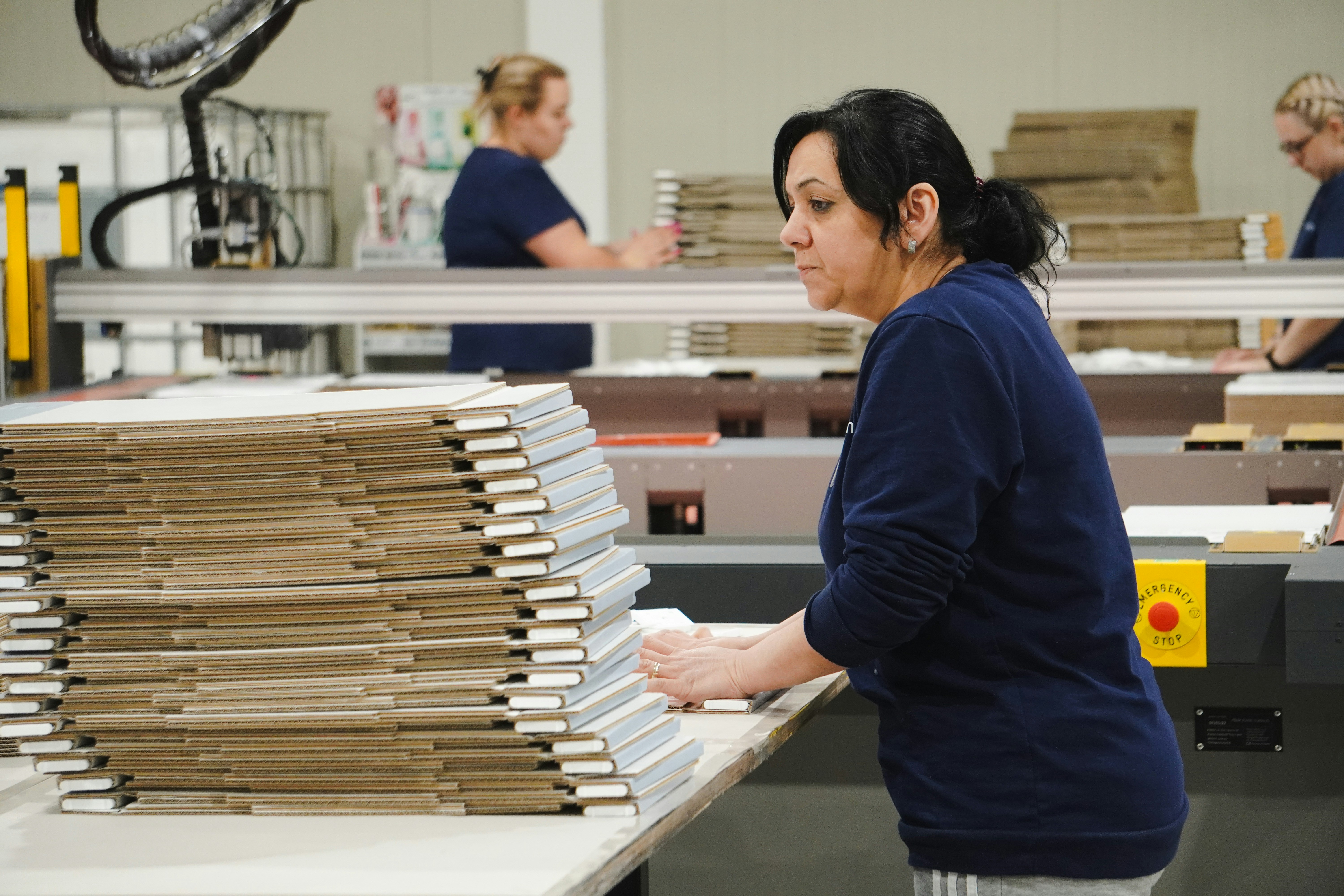
Packaging is not a commodity. The first physical interaction a buyer or retailer has with your product is the package — and whether it reads as premium, trustworthy, and shelf-ready, or rushed and inconsistent, is determined entirely by the execution on the line. That execution is what AFS Trans Co.'s co-packing and repacking operation is built around.
We provide contract packaging services in Vancouver, BC, for food and beverage manufacturers, consumer packaged goods (CPG) brands, importers, and distributors. From shrink-wrapping and custom labeling through to complex multi-component assembly and retail-ready display building, our co-packing facility combines speed, compliance, and quality control — with integrated warehousing and transportation so your finished goods move directly into your supply chain without a secondary handoff.
Co-Packing vs. Repacking: What Each Service Actually Means
These terms are sometimes used interchangeably, but they describe different operations:
- Co-packing (contract packaging) — AFS Trans Co. assembles and packages your product from components you supply — filling, labeling, kitting, bundling, and applying retail-ready packaging from scratch. The output is a finished, consumer-ready unit.
- Repacking — existing finished goods are re-processed — re-labeled for a new market, re-wrapped, date-coded, repackaged into different configurations (12-packs, variety packs, display-ready cases), or brought into compliance with retailer or regulatory requirements the original packaging did not meet.
AFS Trans Co. provides both. Most clients use a combination — for example, a new beverage SKU launched as a co-pack from scratch, while existing imported stock is repacked into Canadian market configurations with bilingual labeling and updated nutritional panels.
Co-Packing & Repacking Services: Full Capability List
Custom Labeling Application of primary labels, secondary labels, bilingual Canadian labels, nutritional panels, lot coding, and best-before dating. Pressure-sensitive, shrink sleeve, and wrap-around label formats supported. | Shrink-Wrapping Heat-shrink film wrapping for bundles, multi-packs, promotional configurations, and tamper-evidence sealing. Available for bottles, cans, jars, boxes, and irregular shapes. |
Kitting & Bundle Assembly Multi-component product kits — gift sets, variety packs, subscription boxes, promotional bundles — assembled and packaged to brand specification. | Blister Packing Retail-ready blister card and clamshell packaging for consumer electronics, hardware, health products, and small consumables. Hang-ready for retail peg display. |
Display Building Retail floor and counter display unit assembly — PDQ trays, shipper displays, end-cap configurations — pre-built and shrink-wrapped for immediate retail floor placement. | Multi-Pack Configuration Single-SKU products configured into 2-, 4-, 6-, 12-, and 24-count retail packs using tray, carton, or film wrap formats. Custom pack configurations on request. |
Variety Pack Assembly Multi-SKU variety packs assembled to a defined mix ratio — common for beverage brands, snack companies, and subscription programmes. Per-unit quality check on every pack. | Overwrapping & Banding Polybag overwrapping, paper banding, and stretch-film wrapping for retail-ready palletizing, promotional groupings, and transit protection. |
Date Coding & Lot Marking Inkjet, laser, and thermal transfer date coding applied to individual units or outers. Full lot traceability records maintained in our WMS for food safety audit purposes. | Repackaging for New Markets Imported goods repackaged for Canadian retail compliance — bilingual labeling, metric sizing, updated nutritional declaration, revised country-of-origin marking. |
Food & Beverage Co-Packing: Compliance, Safety & Certification
Food and beverage co-packing in Canada is subject to the Safe Food for Canadians Act (SFCA) and its associated Regulations (SFCR), administered by the Canadian Food Inspection Agency (CFIA). In 2026, the SFCR requires all food businesses involved in processing, packaging, or labeling food for interprovincial trade or import/export to hold a valid CFIA licence and to operate under a documented Preventive Control Plan (PCP) addressing food safety hazards.
AFS Trans Co.'s Vancouver co-packing facility operates with the following food safety standards and compliance infrastructure:
| Standard / Certification | Applies To | AFS Status |
|---|---|---|
| HACCP — Hazard Analysis Critical Control Points | All food and beverage co-packing operations | Documented PCP in place |
| GMP — Good Manufacturing Practices | All facility operations — food and non-food | Operational standard |
| CFIA Preventive Control Plan (PCP) | Required under SFCR for food packaging | Current and documented |
| Allergen Control Programme | Food co-packing involving allergen-risk SKUs | Dedicated lines/schedule |
| Lot Traceability (one-up / one-down) | All food co-packing — SFCR requirement | Full WMS lot records |
| Alcohol Beverage Handling | Beer, wine, spirits, RTDs, and cider | Licensed (BCALC / AGLC compliant) |
| Bilingual Label Compliance (SFCR / CLR) | All food products for the Canadian market | French/English label QC |
| GS1 Barcoding & Label Verification | Retail distribution co-packing | Barcode scan verification on all units |
IMPORTANT — SFCR & CFIA LICENCE REQUIREMENTS FOR FOOD CO-PACKING IN CANADA (2026) Under Canada's Safe Food for Canadians Regulations (SFCR), any business involved in packaging, labeling, or processing food for interprovincial trade requires a valid CFIA licence and a documented Preventive Control Plan. If you are importing food products and having them repacked or re-labeled in Canada for retail distribution, the co-packer's PCP must cover your specific product category and allergen profile. AFS Trans Co. maintains current CFIA compliance documentation and can provide copies upon request for supplier audit purposes. |
Seasonal Scalability: Handling Peak Demand Without Hiring
One of the most common operational challenges for food and beverage manufacturers is production surges — a promotional campaign, a retailer listing win, a holiday season demand spike — that require 3x or 4x normal packaging volumes for 6–8 weeks, then return to baseline. Hiring and training a permanent co-packing team for peak demand that only lasts two months is economically irrational. Turning down the listing opportunity is commercially unacceptable.
AFS Trans Co.'s co-packing operation is specifically structured to absorb peak demand:
- Flexible production capacity — our co-packing floor can scale from small-batch runs (500–2,000 units) through to high-volume sustained production runs of 50,000+ units per shift
- Scheduled production planning — seasonal programmes planned 6–8 weeks in advance with guaranteed line time allocation — no last-minute capacity scramble
- On-call line crew scaling — experienced packaging staff scaled to production volume — your project is not subject to the labour market volatility that affects in-house operations
- Integrated inbound and outbound — raw materials received at AFS facility, finished goods stored in our warehouse, and outbound distribution handled on AFS trucks — the entire seasonal surge managed under one roof
Quality Control Process: How AFS Trans Co. Guarantees Consistent Output
The most expensive co-packing outcome is not a high per-unit rate — it is a batch of non-conforming product that reaches a retailer and triggers a recall, chargeback, or listing suspension. AFS Trans Co.'s quality control process is documented, auditable, and designed to catch errors before they leave the facility:
1 | Pre-production sign-off | Packaging specifications, label artwork, lot codes, and allergen declarations were reviewed and signed off against the client's written specification before line start. |
2 | Incoming material inspection | Packaging materials (labels, films, cartons, trays) and product components are inspected against specification on receipt. Non-conforming materials are quarantined before production. |
3 | First-article approval | First 10–20 units off the line inspected against all specification criteria — label placement, seal integrity, date code, fill weight, and appearance. Line proceeds only on approval. |
4 | In-line quality sampling | Ongoing in-line checks at defined intervals (typically every 500 units or 30 minutes). Seal checks, barcode scan verification, label position, and weight spot checks documented. |
5 | End-of-run reconciliation | Total units produced reconciled against materials consumed. Yield percentage calculated. Any shortfall, over-use, or unexplained variance investigated before line sign-off. |
6 | Finished goods QC hold | All completed batches are held in QC-designated area until final inspection and client sign-off. No product is a released to outbound without QC release documentation. |
7 | Lot traceability record | Full lot traceability record (inbound components, production date, line crew, QC results, outbound shipment) retained in WMS for a minimum of are specifications24 months (SFCR requirement for food). |
Beverage Co-Packing: Beer, Wine, Spirits & RTDs
AFS Trans Co. specialises in alcohol beverage co-packing — a category with specific compliance requirements that most general packaging companies are not equipped to handle. We are licensed for the storage and handling of beer, wine, spirits, ready-to-drink (RTD) beverages, and cider, and our co-packing operations for alcohol products comply with the requirements of the BC Liquor and Cannabis Regulation Branch (LCRB) and the Alberta Gaming, Liquor and Cannabis Commission (AGLC) for interprovincial distribution.
Beverage co-packing services at AFS Trans Co. include:
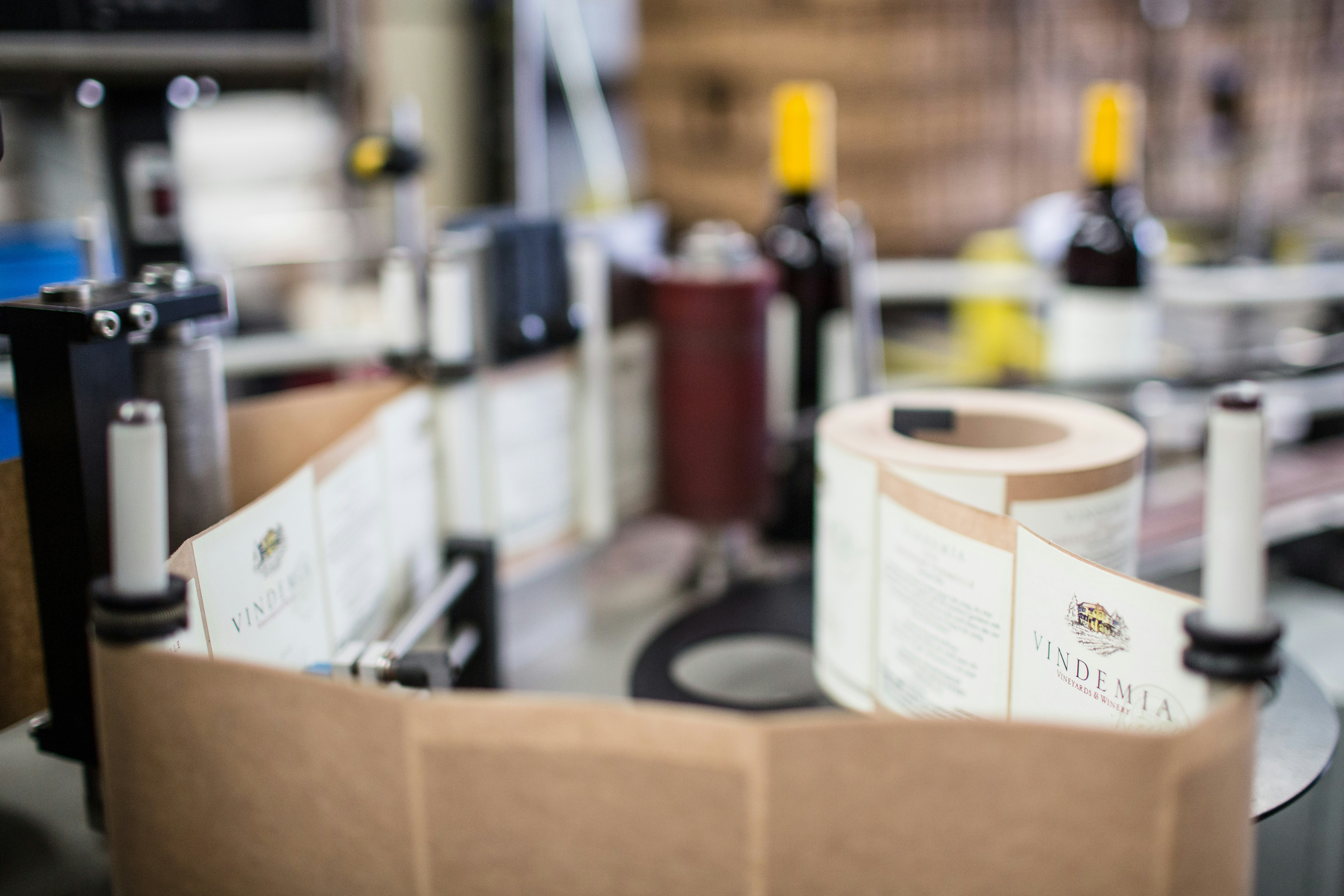
- Shrink-sleeve label application and heat-shrink bundling for cans and bottles
- Multi-pack configurations — 4-packs, 6-packs, 12-packs, 24-packs in carton, tray, and film-wrap formats
- Variety pack assembly for mixed-SKU beverage bundles
- Promotional gift sets and seasonal pack configurations
- BC Liquor Board and AGLC compliance labeling for interprovincial distribution
- Bonded storage of alcohol products pending CBSA customs clearance for imported spirits
Client Success Stories
SUCCESS STORY — Seasonal Co-Packing | Beverage Manufacturer BC Craft Brewery: 80,000-Unit Holiday Gift Pack Programme Completed in 3 Weeks A Metro Vancouver craft brewery won a listing for a 4-SKU holiday gift set at a major BC retailer — 80,000 units required, with a delivery deadline of 6 weeks from listing confirmation. The brewery had no in-house packaging capacity for multi-pack assembly at this volume. AFS Trans Co. was engaged 4 weeks before the delivery deadline. We received pre-packed cans from the brewery, assembled 4-can variety packs in custom carton trays, applied shrink-film overwrap with the brewery's seasonal label design, and built retailer-compliant shipper cases and PDQ displays. Result: 80,000 units completed, QC-inspected, and delivered to the retailer's distribution centre 4 days before the deadline. The brewery's first major retail listing was fulfilled with zero non-conformances. The client has run the same seasonal programme with AFS Trans Co. for three consecutive years. |
SUCCESS STORY — Repacking | Consumer Goods Importer Vancouver Importer: 40,000 Units Repacked for Canadian Retail Compliance in 10 Days A Lower Mainland consumer goods importer had received a container of 40,000 units from Asia with English-only labeling that did not meet Canadian SFCR bilingual requirements or include the mandatory Canadian importer address. Repacking was required before the goods could be distributed to Canadian retail. AFS Trans Co. received the container directly from Deltaport, de-stuffed and staged the goods in our co-packing facility, applied bilingual compliant labels over the existing label, and updated date coding. Result: 40,000 units repacked, QC-verified, and available for distribution in 10 business days. Total co-packing cost recovered within the first retail order. The importer now routes all Canadian market repacking requirements through AFS Trans Co. from their Vancouver import program. |
“We have worked with three co-packers in Vancouver over the past six years. AFS Trans Co. is the only one that has never sent us a batch with a QC issue that reached a retailer. Their first-article sign-off process is the reason — they catch problems at unit 10, not unit 10,000. That saves us from chargebacks, and more importantly, from a customer relationship that takes years to rebuild.” — Alison F., VP Operations, BC Food & Beverage Manufacturer |
Frequently Asked Questions: Co-Packing & Contract Packaging Vancouver
What is the minimum run size for co-packing at AFS Trans Co.?
AFS Trans Co. accepts co-packing projects ranging from 500 units for short-run manual assembly bilingual-compliant labels over the existing label, and updated the the to 50,000+ units per shift for sustained production programmes. Minimum run sizes vary by project type — beverage multi-pack assembly, shrink-wrapping, and labeling projects can be quoted from 1,000 units. Complex kitting and display-building projects may have a higher minimum based on setup time. Contact our co-packing team with your volume and specification for a project-specific quote.
Do you handle food co-packing? What certifications do you maintain?
Yes. AFS Trans Co.'s Vancouver co-packing facility operates under a documented CFIA Preventive Control Plan (PCP) as required by the Safe Food for Canadians Regulations (SFCR). Our facility follows HACCP principles and Good Manufacturing Practices (GMP). For allergen-risk projects, we schedule dedicated line time and conduct allergen cleaning verification before production. We can provide copies of our PCP and compliance documentation for client supplier audit requirements.
Can you re-label imported products for the Canadian market?
Yes. AFS Trans Co. provides repacking and relabeling services for imported goods that require Canadian market compliance — bilingual English/French labeling under SFCR, updated nutritional declarations, Canadian importer address, metric measurement units, and updated best-before date coding. We work with your customs broker to receive the goods from bonded storage or direct from port, repack to compliance, and release for Canadian retail distribution.
How does AFS Trans Co. ensure label and packaging compliance for alcoholic beverages?
AFS Trans Co. is licensed for alcohol beverage handling and storage in compliance with BC Liquor and Cannabis Regulation Branch (LCRB) requirements. For alcohol co-packing, label artwork is reviewed against applicable provincial liquor board requirements before production begins, and finished goods documentation is prepared to support BCALC or AGLC distribution. We handle beer, wine, spirits, RTDs, and cider — for both BC-only distribution and interprovincial programs.
What is included in your quality control process for co-packing projects?
Our QC process includes pre-production specification sign-off, incoming material inspection, first-article approval (first 10–20 units checked before full production), in-line sampling at defined intervals, end-of-run yield reconciliation, finished goods QC hold before release, and full lot traceability records retained in our WMS for a minimum of 24 months. For food co-packing, these records satisfy SFCR one-up/one-down traceability requirements. QC documentation is available to clients on request.