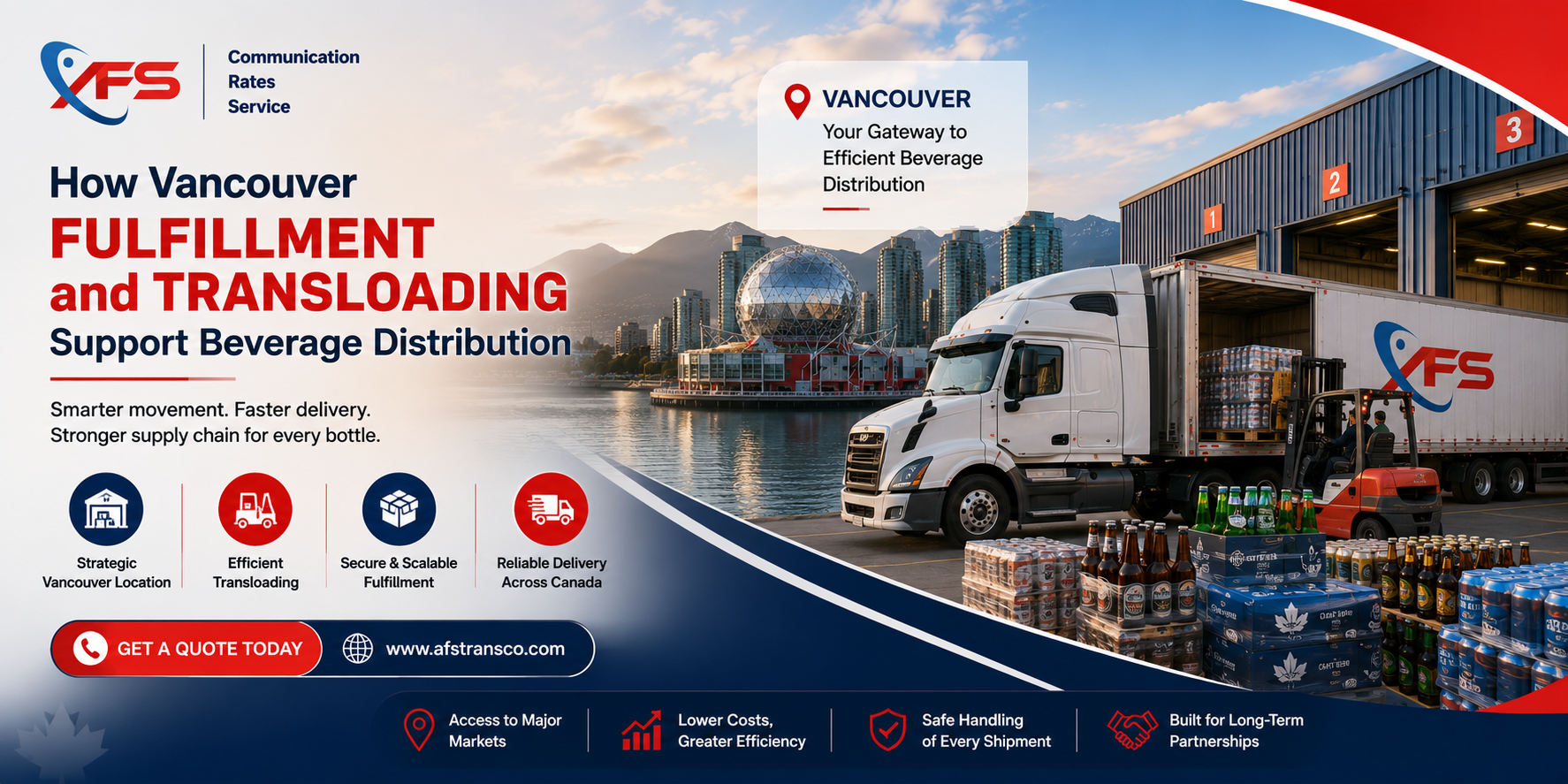
Managing beverages from the time they arrive in Vancouver until they reach customers involves several connected logistics activities. Storage, cargo handling, order preparation, transportation, and distribution all need to work together to keep products moving efficiently. For beverage businesses, having these processes properly coordinated can make day-to-day operations easier and support a consistent flow of products.
Vancouver is an important location for freight and distribution because it connects businesses with ports, road networks, warehouses, and commercial markets. Beverage companies can use these connections to receive imported products, organise inventory, prepare customer orders, and move goods towards different destinations.
As businesses grow, their logistics needs can change as well. They may require additional storage space, manage larger shipments, or serve customers across multiple locations. Choosing suitable logistics services can help businesses manage these requirements while keeping transportation and storage activities organised.
In this guide, we will explore how a Vancouver fulfillment center can support beverage storage and order preparation, how container transloading services connect incoming freight with onward transportation, and how beverage distribution Vancouver helps businesses reach their customers.
Why Vancouver Is Important for Beverage Logistics
Vancouver offers strong connections between ports, transportation networks, warehouses, and commercial markets. This makes the area useful for businesses receiving goods from domestic and international suppliers.
For beverage companies, products may arrive in shipping containers before being transferred to trucks or moved into storage. Having suitable facilities and transportation available can help businesses coordinate these different stages.
The location of a warehouse can also influence distribution planning. Businesses may consider access to major roads, ports, customers, suppliers, and surrounding markets when selecting logistics facilities.
A well-connected logistics network can make it easier to move products from incoming shipments towards storage facilities and final delivery destinations.
How a Vancouver Fulfillment Center Supports Beverage Businesses
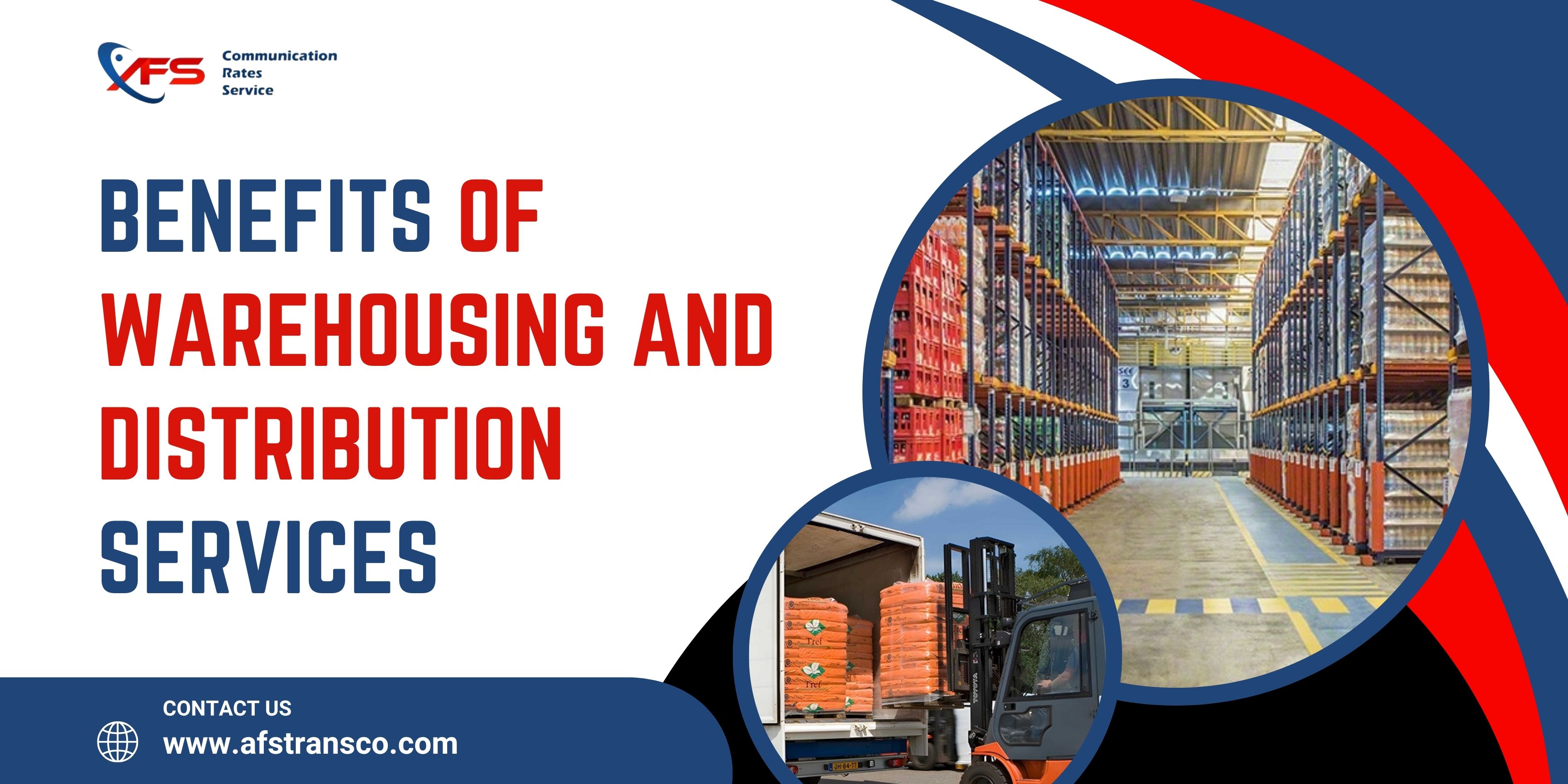
A Vancouver fulfillment center can provide a central location where businesses receive, store, organise, prepare, and dispatch beverage products. This can be useful for companies managing regular orders or multiple customer locations.
Organised Product Storage
A suitable fulfillment facility provides space for beverage inventory and helps keep products organised. Stock can be arranged according to product type, quantity, arrival date, or customer requirements.
Good organisation can make it easier for warehouse teams to locate products when orders need to be prepared.
Order Preparation
Fulfillment can involve picking, packing, labelling, and preparing products for transportation. These activities become increasingly important when businesses handle orders for different customers.
An organised process allows warehouse teams to prepare products according to order details and planned delivery schedules.
Supporting Distribution
Fulfillment and transportation are closely connected. Once orders are prepared, they need to be loaded and transported to their intended destinations.
Coordinating storage and transportation can help businesses manage outgoing shipments and keep distribution activities organised.
Understanding Container Transloading Services
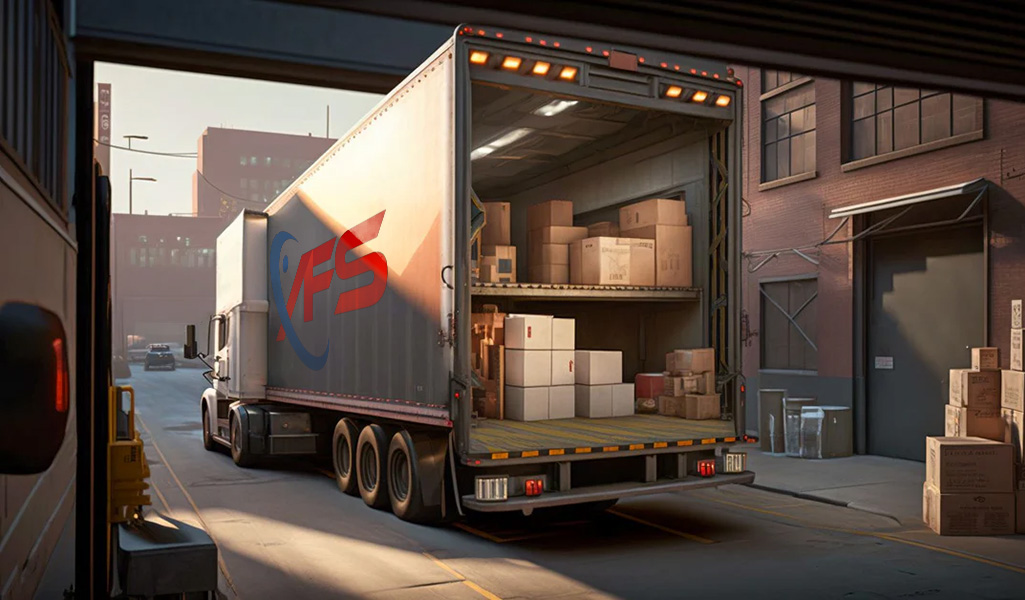
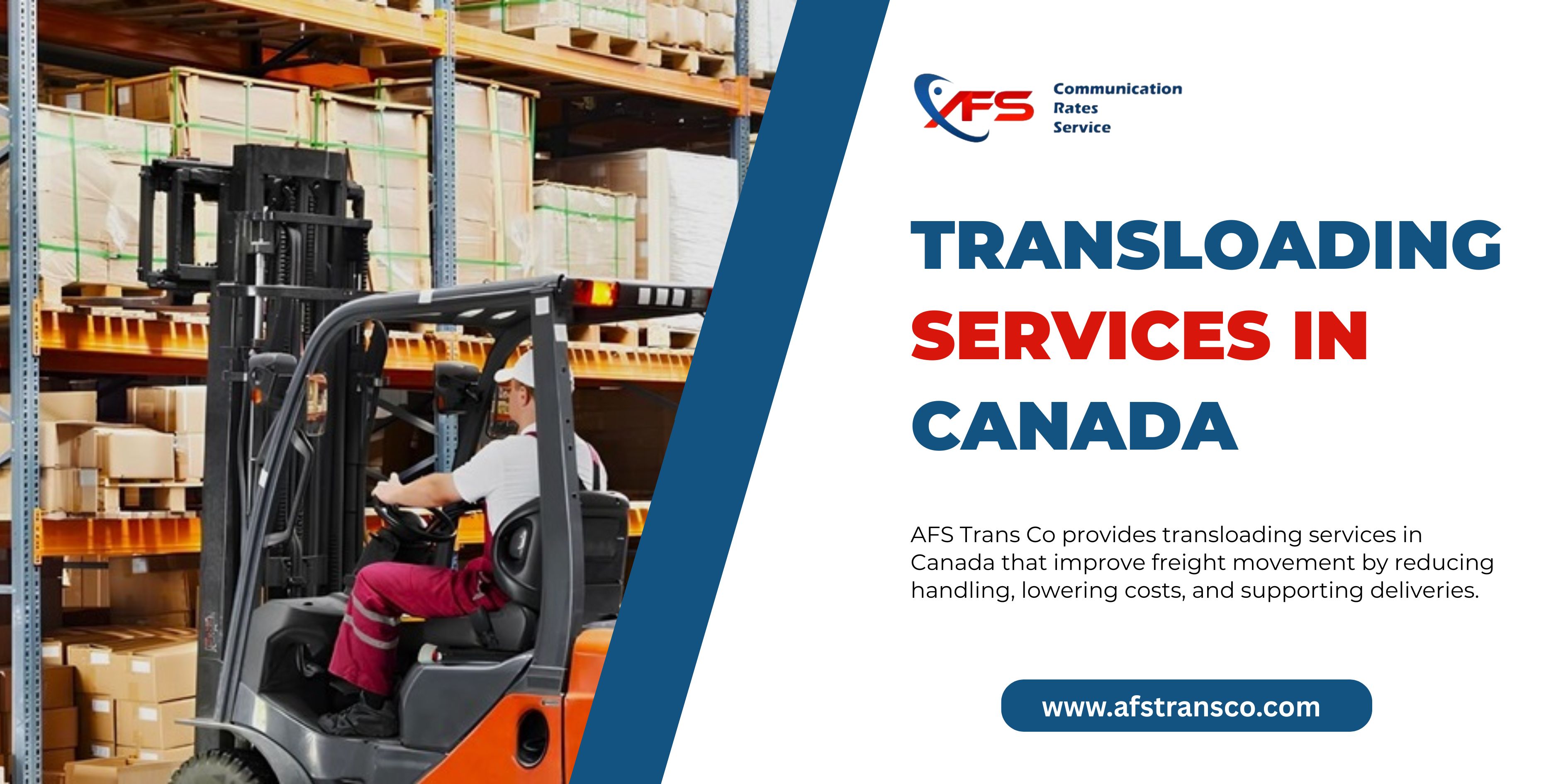
When beverage products arrive in shipping containers, they may need to be transferred into trucks before continuing towards a warehouse, distribution facility, or customer. Container transloading services can support this part of the freight process.
Transloading involves moving cargo from one form of transportation to another. For example, goods arriving in a shipping container can be transferred into a truck for onward transportation.
This can be useful for businesses receiving imported products through Vancouver. Instead of moving goods through several unrelated stages, transloading can connect container arrivals with inland transportation.
The process requires suitable equipment, loading facilities, scheduling, and careful cargo handling. Businesses should consider the type and volume of their products when planning transloading activities.
For beverage companies, an organised transloading process can help connect incoming container freight with storage and distribution requirements.
Supporting Beverage Distribution in Vancouver
Beverage distribution Vancouver involves moving beverages from receiving or storage facilities to retailers, restaurants, wholesalers, hospitality businesses, and other commercial customers.
Different customers may have different order sizes and delivery schedules. This means businesses need to coordinate inventory availability with transportation and delivery planning.
For example, a beverage company may receive a large shipment and store the products at a suitable facility. Individual orders can then be prepared according to customer requirements before being loaded for delivery.
Transportation planning is an important part of this process. Businesses need to consider delivery locations, order quantities, vehicle requirements, and schedules when arranging distribution.
Serving customers across Vancouver and surrounding areas can also require knowledge of local delivery routes and commercial locations. Good planning can help businesses coordinate regular deliveries more effectively.
How Fulfillment and Transloading Work Together
Fulfillment and transloading can form connected stages within a beverage logistics process.
The process may begin when beverage products arrive in Vancouver inside shipping containers. The cargo can then be transferred through a suitable transloading process and moved towards a warehouse or another destination.
If the products require storage, they can be received and organised at a fulfillment facility. When customer orders are placed, warehouse teams can prepare the required products for delivery.
The prepared shipments can then be loaded onto suitable vehicles and transported to retailers, restaurants, wholesalers, or other customers.
Connecting these stages can make freight coordination easier because businesses can manage inbound cargo, storage, order preparation, and outbound transportation as part of one planned process.
What to Consider When Choosing a Logistics Partner
Businesses should consider several factors when selecting logistics support for beverage operations.
Storage Capacity
The facility should have enough space for current inventory while allowing room for expected business growth.
Location
A convenient location can provide easier access to ports, major roads, suppliers, customers, and distribution routes.
Cargo Handling
Businesses should check whether the provider has suitable equipment and procedures for handling their beverage products.
Transportation
Available transportation options should match the company's delivery locations, shipment volumes, and scheduling requirements.
Transloading Facilities
Businesses should consider loading and unloading facilities, equipment, scheduling, and experience with containerised freight.
Shipment Visibility
Tracking information can help businesses monitor freight movement and coordinate receiving and delivery activities.
Communication
Clear communication between the business, warehouse, transportation provider, and customers can make logistics easier to manage.
How AFS Trans Co. Supports Beverage Logistics
AFS Trans Co. provides transportation and logistics services for businesses managing freight across Vancouver and other parts of Canada. Its services include warehousing, fulfillment support, container transloading, freight transportation, cross-docking, and shipment tracking.
For beverage businesses, having different logistics services available through one provider can help connect several stages of freight movement. Products can move from inbound transportation towards storage, order preparation, and final distribution according to the business's requirements.
As shipment volumes change, businesses can review their storage, transportation, and distribution needs and choose services that fit their operations.
Conclusion
Beverage logistics involves more than moving products from one location to another. Storage, cargo handling, fulfillment, transportation, and distribution all contribute to getting products from suppliers to customers.
A Vancouver fulfillment center can support inventory storage and order preparation, while container transloading services can help move imported cargo from shipping containers into onward transportation. These services can work alongside beverage distribution Vancouver to support businesses serving local and regional customers.
For growing beverage companies, choosing logistics services based on storage capacity, location, transportation requirements, and shipment volumes can make everyday operations easier to coordinate.
If your business needs support with beverage transportation, fulfillment, warehousing, or transloading, contact AFS Trans Co. to discuss your logistics requirements.
Frequently Asked Questions
1. What is a Vancouver fulfillment center?
A Vancouver fulfillment center is a facility where businesses can receive, store, organise, prepare, and dispatch products. It can support inventory management and customer order preparation.
2. How do container transloading services work?
Container transloading services involve transferring goods from shipping containers into trucks or another transportation method. The cargo can then continue towards a warehouse, distribution facility, or customer.
3. What does beverage distribution in Vancouver involve?
Beverage distribution Vancouver involves moving beverages from storage or receiving facilities to retailers, restaurants, wholesalers, hospitality businesses, and other commercial customers.
4. Why can transloading be useful for beverage businesses?
Transloading can help businesses transfer containerised beverage shipments into onward transportation. It can connect port arrivals with warehouses, distribution facilities, and customer deliveries.
5. How can fulfillment support beverage distribution?
Fulfillment can provide storage, inventory organisation, order preparation, and dispatch support. When connected with transportation services, it can help businesses manage products from storage through final delivery.