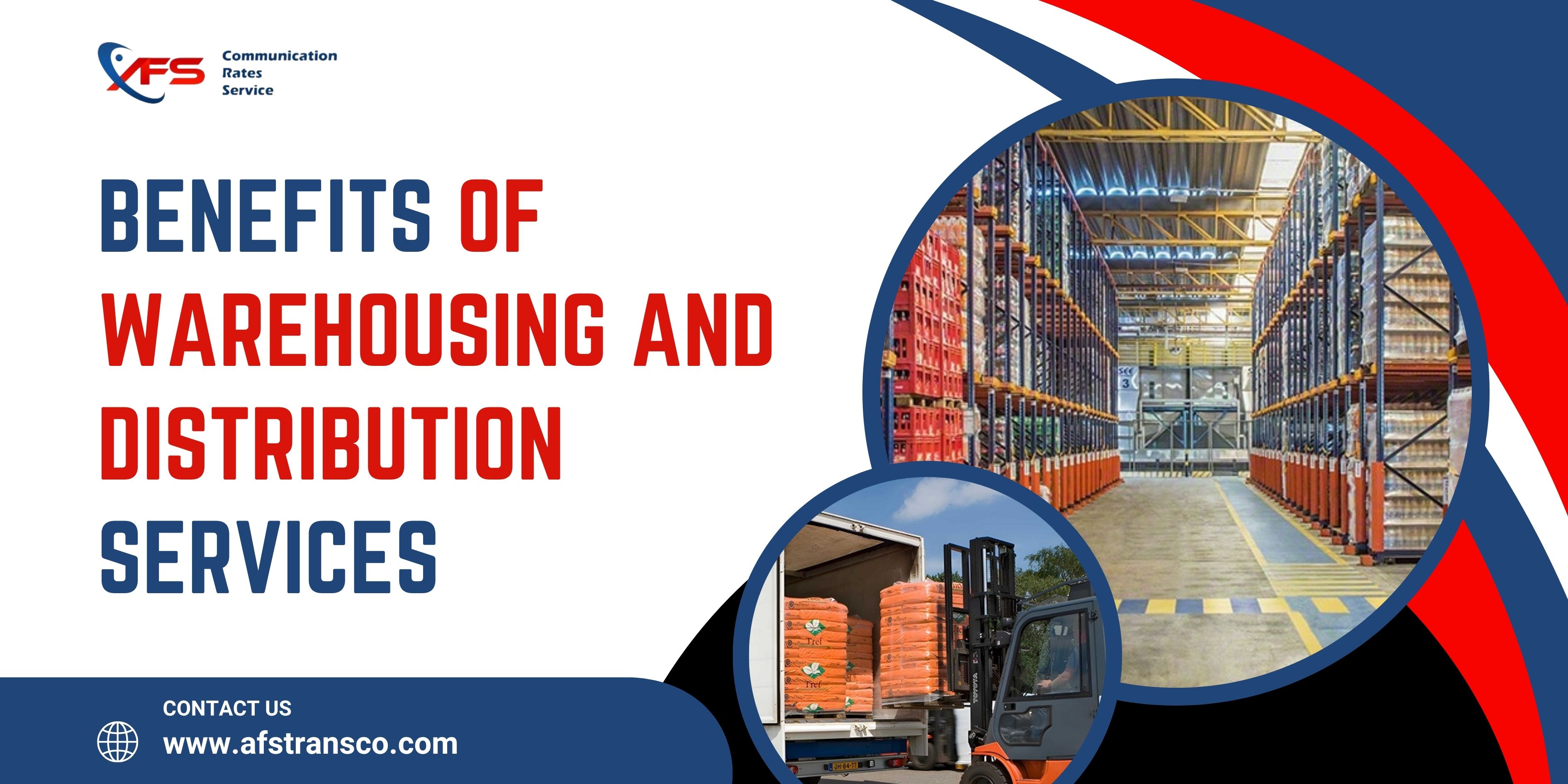
If you have ever wondered why some companies always seem to get orders out the door faster than everyone else, the answer usually traces back to one thing: how well they manage their warehouses. Warehousing and distribution services refer to the combined set of activities involved in storing inventory, organizing stock movement, and delivering goods to their final destination through structured facilities and transport networks. In 2026, these services have grown far beyond basic storage. They now sit at the center of nearly every efficient supply chain, blending automation, real-time data, and skilled people into one working system.
This shift did not happen overnight. Years of disrupted shipping lanes, unpredictable demand, and rising customer expectations pushed businesses to rethink how goods move from factory floor to front door. The companies that adapted are thriving. The ones that did not are still scrambling to catch up.
Key Takeaways
- Warehousing and Distribution Services now combine storage, technology, and transportation into a single efficiency engine for businesses.
- Automation and real-time inventory tracking are no longer optional extras; they are becoming the baseline expectation in 2026.
- Outsourcing to a specialized partner like AFS Trans Co. often reduces operating costs while improving delivery speed.
- Smart warehouse location and layout decisions can cut transportation costs significantly.
- Sustainability and data visibility are now major factors customers and regulators care about.
What Warehousing and Distribution Services Actually Involve
People often picture a warehouse as a giant room full of shelves and forklifts. That image is not wrong, but it is incomplete.
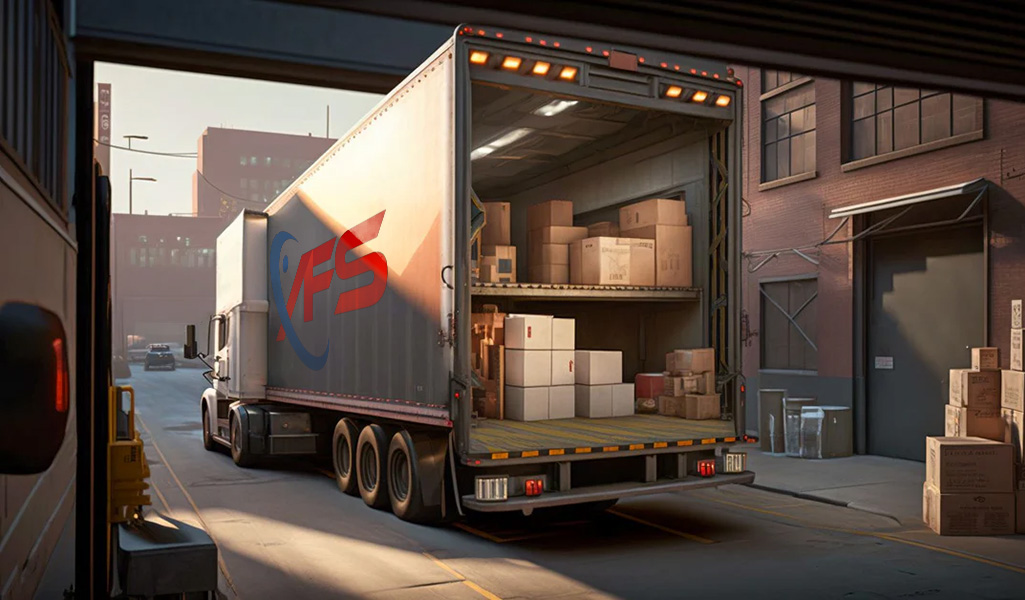
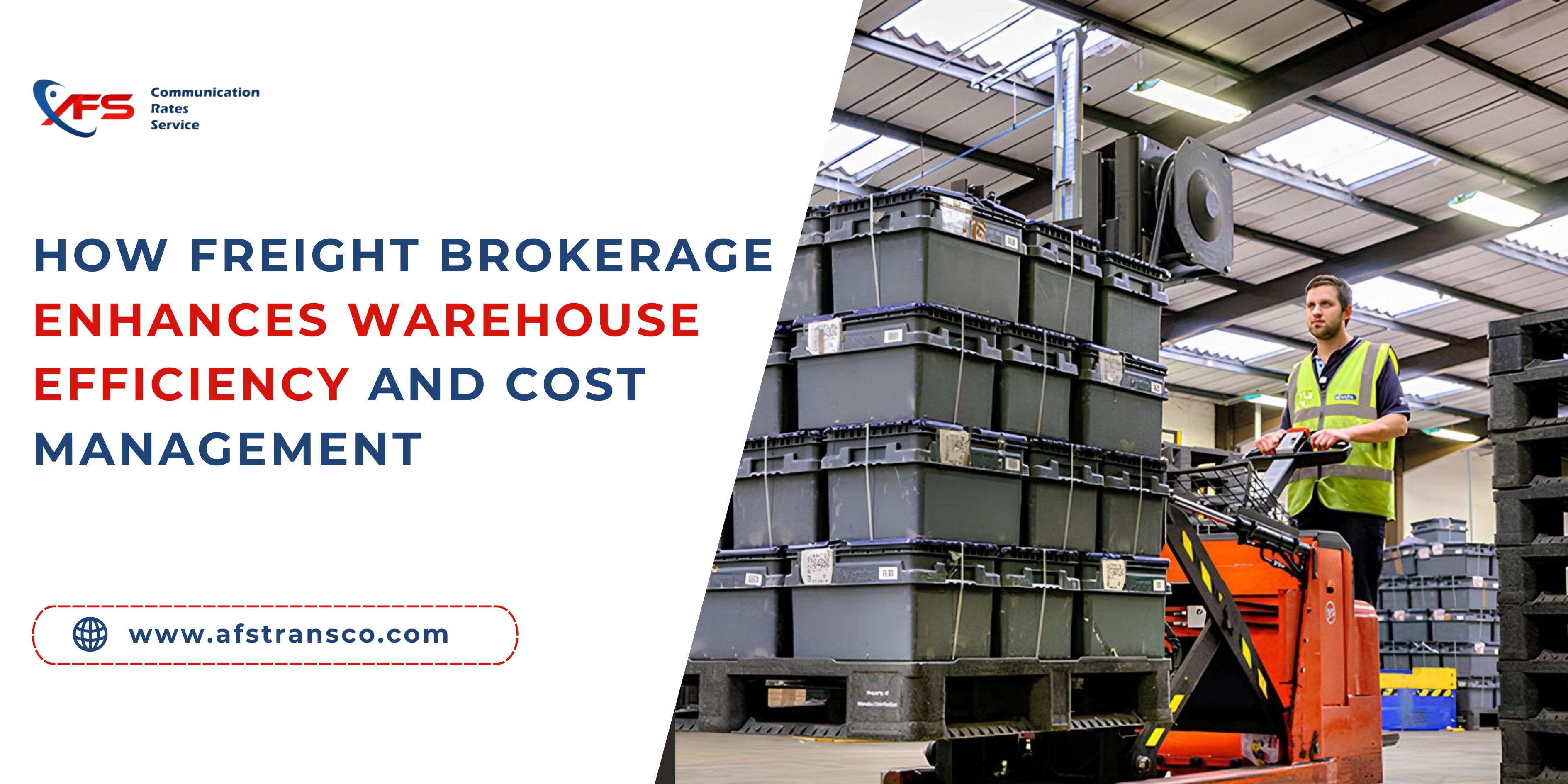
A modern warehouse is closer to a control center. It receives goods, sorts them, stores them safely, picks them when an order comes in, packs them, and routes them to a delivery vehicle, often within hours rather than days. Distribution adds the next layer: deciding which products go where, in what order, and through which route, so that every shipment arrives on time without wasting fuel or labor.
Here is a simple way to break down what falls under this umbrella:
- Inbound logistics – receiving raw materials or finished goods and checking them against purchase orders.
- Storage management – organizing inventory by demand frequency, size, and handling requirements.
- Order fulfillment – picking, packing, and preparing orders for shipment.
- Inventory control – tracking stock levels in real time to avoid overstocking or running out.
- Outbound transportation – choosing carriers and routes that balance speed and cost.
- Returns processing – handling reverse logistics when customers send items back.
When even one of these steps breaks down, the entire chain feels it. A delayed inbound shipment can stall an entire production line. A messy inventory count can mean promising a product to a customer that does not actually exist on the shelf. This is exactly why businesses are paying closer attention to how their Warehousing and Distribution Services are structured this year.
Why 2026 Feels Different
Anyone working in logistics will tell you this year feels less forgiving than the last. Customers expect two-day delivery as a default, not a premium feature. Fuel and labor costs continue to fluctuate. And retailers are demanding tighter delivery windows from their suppliers.
Industry analysts have noted that global supply chains are leaning harder on automation and predictive planning to absorb these pressures, since manual processes simply cannot keep pace with the volume and speed customers now expect. Many mid-sized businesses that once handled warehousing in-house are now turning to specialized partners, not because they lack capability, but because the complexity has outgrown what a small internal team can manage efficiently.
In-House Warehousing vs. Outsourced Distribution Partners
One of the biggest decisions a growing business faces is whether to manage warehousing internally or hand it off to a dedicated provider. There is no universally right answer, but the trade-offs are worth laying out clearly.
| Factor | In-House Warehousing | Outsourced Partner (e.g., AFS Trans Co.) |
|---|---|---|
| Upfront investment | High (facility, equipment, staff) | Low to moderate |
| Scalability | Slow, requires new leases or hires | Fast, capacity adjusts with demand |
| Technology access | Often limited by budget | Usually includes existing tech stack |
| Expertise | Builds over years internally | Available immediately |
| Risk exposure | Company absorbs all operational risk | Shared with the provider |
| Best suited for | Very large, stable-volume operations | Growing or seasonal businesses |
Reading this table, a pattern becomes obvious. Businesses with steady, predictable, high-volume needs sometimes do better running their own facilities. But for most growing companies, especially those dealing with seasonal spikes or expanding into new regions, partnering with an experienced provider tends to be the more practical and less stressful route.
There is also an emotional side to this decision that does not show up in spreadsheets. Business owners who have lived through a holiday season with an overwhelmed, understaffed warehouse know the particular kind of dread that comes with watching order backlogs grow. That stress is often what finally pushes a company to bring in outside help.
How Warehousing and Distribution Services Improve Supply Chain Efficiency
This is the question most business owners actually want answered, so here it is directly: efficient warehousing reduces wasted time, wasted space, and wasted money at every stage of the supply chain, which in turn speeds up delivery and lowers operating costs.
Breaking that down further, here are the specific mechanisms at play:
- Faster order cycles. Organized storage and automated picking systems cut the time between an order being placed and it leaving the building.
- Lower transportation costs. Strategically located distribution centers shorten the distance goods travel, which reduces fuel spend and emissions.
- Better inventory accuracy. Real-time tracking prevents the costly mistake of selling products that are not actually in stock.
- Reduced labor waste. Automated systems and smart layouts mean staff spend less time walking aisles and more time fulfilling orders.
- Improved customer trust. Reliable, on-time delivery builds the kind of loyalty that keeps customers coming back.
A 2025 industry survey on logistics operations found that companies investing in warehouse automation reported noticeably fewer fulfillment errors compared to those still relying mostly on manual processes. That gap is expected to widen further in 2026 as more affordable automation tools reach mid-sized businesses, not just large enterprises.
The Technology Reshaping Warehouses This Year
A few specific tools are showing up again and again in conversations with logistics professionals:
- Warehouse management systems (WMS) that give real-time visibility into stock levels across multiple locations.
- Robotics-assisted picking that reduces physical strain on workers and speeds up order fulfillment.
- Predictive demand planning software that helps businesses stock the right amount, not too much, not too little.
- IoT sensors that monitor temperature, humidity, and security for sensitive goods.
- Route optimization software that adjusts delivery paths in real time based on traffic and weather.
None of these tools work in isolation. Their real value comes from how well they are integrated, which is often where smaller in-house teams struggle and where dedicated providers shine.
What to Look for in a Distribution Partner
Choosing the right partner can feel overwhelming with so many providers claiming to offer the same thing. A few questions tend to separate the strong options from the rest:
- Do they offer real-time tracking visibility, or do you have to call and ask for updates?
- Can their facilities scale up during peak seasons without major delays?
- Do they have experience handling your specific product type, whether that is perishable goods, fragile items, or bulk freight?
- What is their track record on on-time delivery rates?
- Are their pricing structures transparent, with no hidden fees buried in the contract?
This is the kind of due diligence that pays off months later, when a sudden demand spike hits and you need to know your partner can actually handle it. Companies such as AFS Trans Co. have built their reputation around answering these exact questions clearly upfront, which matters more than flashy marketing once goods actually need to move.
Conclusion
Supply chains do not run on good intentions. They run on organized storage, accurate data, and dependable delivery, and that is precisely what well-run Warehousing and Distribution Services provide. The businesses thriving in 2026 are not necessarily the ones with the biggest budgets. They are the ones that treated their warehousing strategy as a core part of customer experience rather than an afterthought buried in operations.
Whether a company decides to build its own facilities or partner with a provider like AFS Trans Co., the underlying goal stays the same: get the right product to the right place, on time, without unnecessary cost or stress. Get that part right, and almost everything else in the business gets a little easier.
Frequently Asked Questions
Everything you need to know about our warehouse & 3PL services.