There’s something uniquely dynamic about Vancouver’s logistics landscape. Maybe it’s the steady hum of cargo moving through the port, or the quiet precision of inventory systems working behind the scenes. In 2026, warehousing logistics here is no longer just about storage—it’s about speed, adaptability, and intelligent decision-making. Businesses that once treated warehousing as a back-end necessity are now realizing it’s a strategic advantage.
For companies operating in or expanding to Vancouver, understanding how warehousing logistics works today can make the difference between scaling smoothly and struggling to keep up. This guide walks through everything you need to know—practically, realistically, and with a touch of insight that only comes from seeing how things actually play out on the ground.
Why Vancouver Matters in Logistics
Vancouver has always been a gateway city, but its role has deepened in recent years. Positioned on Canada’s west coast, it serves as a crucial link between Asia-Pacific markets and North America. With growing e-commerce demand and global trade shifts, the city has become a logistics hotspot.
But here’s the nuance—being in a prime location also means increased competition for space, labor, and efficiency. Warehousing in Vancouver isn’t just about finding square footage; it’s about securing the right infrastructure in the right place at the right time.
The Evolution of Warehousing in 2026
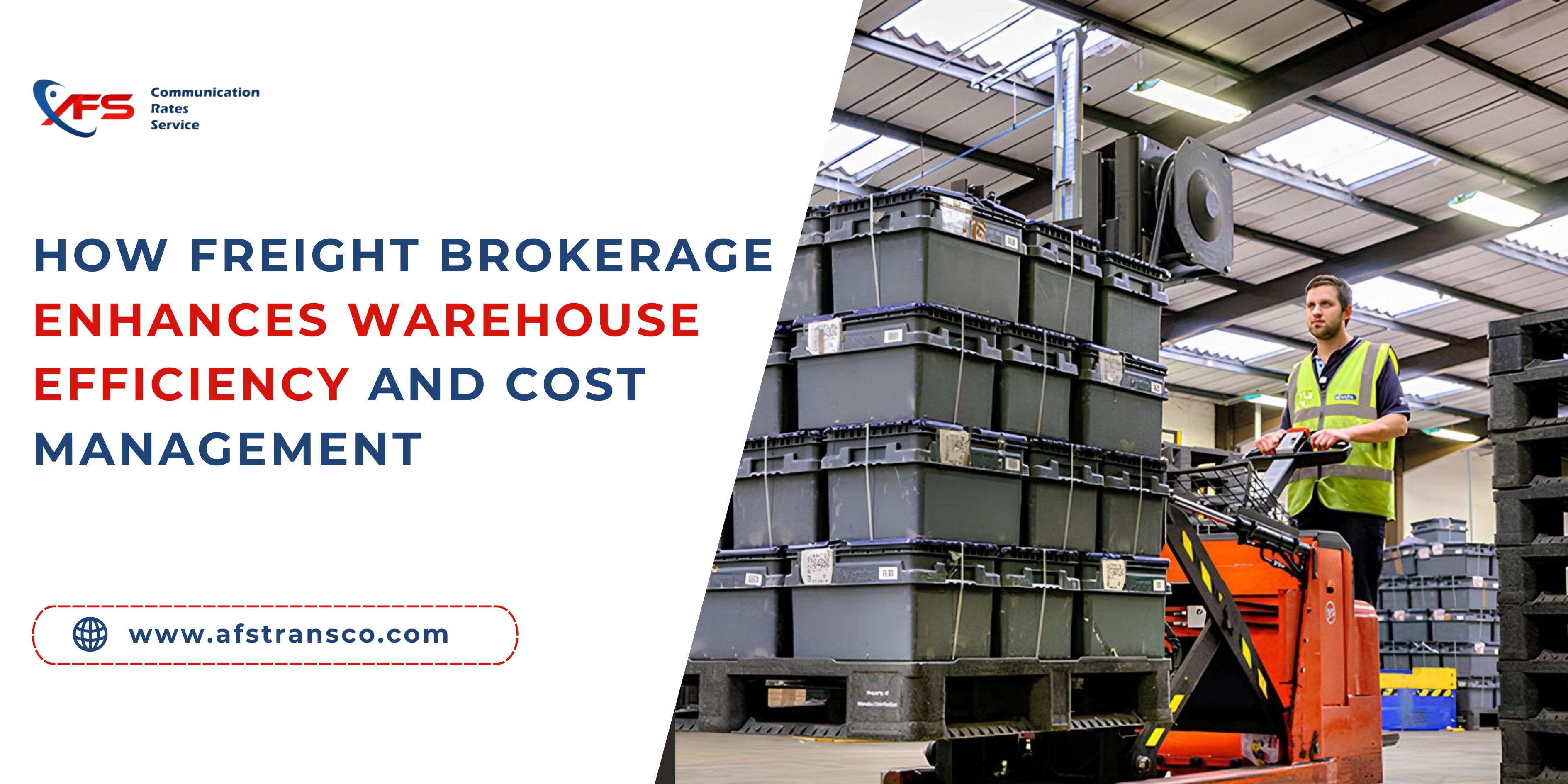
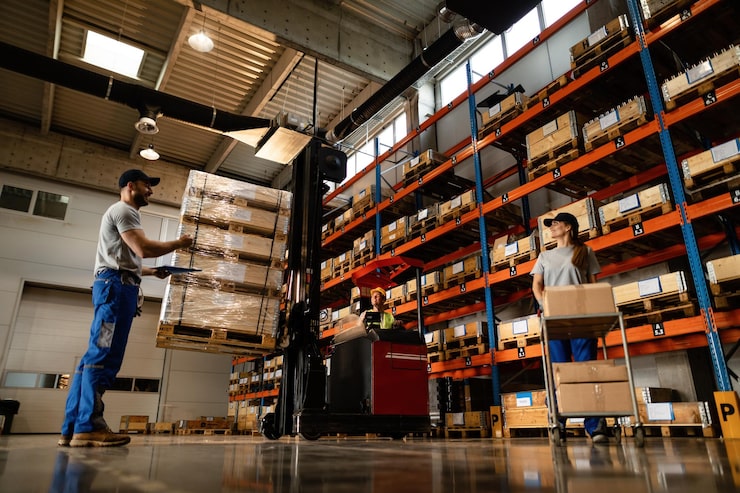
If you step into a modern warehouse in Vancouver today, it doesn’t feel like the traditional spaces many still imagine. Gone are the endless rows of static shelves and manual processes. In their place, you’ll find:
- Smart inventory systems powered by real-time data
- Automated picking and packing solutions
- AI-driven demand forecasting
- Integrated transportation management systems
What’s striking isn’t just the technology—it’s how seamlessly it blends into daily operations. Employees aren’t replaced; they’re empowered. Tasks that once took hours are now completed in minutes, allowing teams to focus on higher-value decisions.
Choosing the Right Warehouse Location
Location still matters—arguably more than ever.
In Vancouver, businesses typically choose between:
- Port-adjacent warehouses for import/export efficiency
- Urban distribution centers for last-mile delivery
- Suburban facilities for cost-effective bulk storage
Each comes with trade-offs. Closer proximity to the port reduces transit time but often comes with higher leasing costs. Meanwhile, suburban areas offer more space but may increase delivery timelines.
A common mistake businesses make is choosing based solely on cost. In reality, the best decision balances cost, accessibility, and operational goals. Think beyond today—consider where your customers will be and how quickly you’ll need to reach them.
Understanding Costs and Pricing Structures
Warehousing costs in Vancouver can feel overwhelming at first glance. But once you break them down, they start to make sense.
Typical cost components include:
- Storage fees (per pallet or square foot)
- Handling charges (inbound and outbound)
- Value-added services (labeling, packaging, assembly)
- Technology integration costs
In 2026, flexible pricing models are becoming more common. Many providers now offer scalable solutions, allowing businesses to pay for what they actually use rather than locking into rigid contracts.
This flexibility is especially valuable for e-commerce businesses dealing with fluctuating demand. It’s no longer about committing to space—it’s about adapting in real time.
Technology Integration: The Game Changer
Let’s be honest—technology can feel overwhelming. But in warehousing logistics, it’s no longer optional.
The most successful businesses in Vancouver are those that embrace integration. This means connecting your warehouse management system (WMS) with:
- E-commerce platforms
- Transportation systems
- Inventory tracking tools
- Customer service interfaces
When everything talks to each other, operations become smoother. Orders flow naturally, errors decrease, and customers receive accurate updates.
What’s interesting is how this impacts customer perception. Faster shipping is expected—but transparency is what builds trust. When customers know where their order is at every step, it changes how they feel about your brand.
Labor Challenges and Workforce Trends
Behind every efficient warehouse is a team of people making it happen.
In Vancouver, labor availability remains a challenge. Skilled workers are in demand, and retention can be difficult. Businesses are responding by:
- Investing in training and upskilling
- Improving workplace conditions
- Offering flexible schedules
- Integrating automation to reduce repetitive tasks
There’s also a shift in mindset. Warehousing jobs are no longer seen as purely physical roles—they’re becoming technical, strategic, and even creative in some aspects.
If you’re entering the Vancouver market, don’t underestimate the importance of building a strong workforce strategy. Technology can enhance operations, but people still drive them.
Sustainability in Warehousing
Sustainability isn’t just a buzzword here—it’s becoming a requirement.
Vancouver has strong environmental expectations, and businesses are expected to align with them. This includes:
- Energy-efficient warehouse design
- Reduced packaging waste
- Electric delivery fleets
- Optimized routing to lower emissions
Customers are paying attention. So are regulators.
What’s interesting is that sustainability often leads to cost savings over time. Efficient energy use, smarter transportation routes, and reduced waste all contribute to better margins.
It’s not just about compliance—it’s about long-term resilience.
Last-Mile Delivery: The Final Frontier
If warehousing is the backbone, last-mile delivery is the face of your logistics operation.
In Vancouver, this stage can be particularly challenging due to:
- Urban congestion
- Geographic constraints
- High customer expectations
Businesses are experimenting with micro-fulfillment centers, local distribution hubs, and even alternative delivery methods.
The goal is simple: get products to customers faster without compromising cost efficiency.
What many don’t realize is how closely warehousing and last-mile delivery are connected. A well-placed warehouse can significantly reduce delivery times and costs. It’s all part of the same system.
Risk Management and Flexibility
The past few years have taught businesses one thing—disruption is inevitable.
From supply chain delays to sudden demand spikes, flexibility is now a core requirement. Warehousing strategies in Vancouver are evolving to include:
- Multi-location storage networks
- Backup suppliers and carriers
- Real-time data monitoring
- Agile inventory management
The idea isn’t to eliminate risk—that’s impossible. It’s to respond quickly when things change.
And they will change.
Partnering with the Right Logistics Provider
Choosing a warehousing partner is one of the most important decisions you’ll make.
Look for providers that offer:
- Scalable solutions
- Transparent pricing
- Strong technology integration
- Proven local expertise
But beyond the checklist, trust your instincts. The best partnerships feel collaborative, not transactional. You want a provider who understands your business goals and adapts alongside you.
Conclusion
Warehousing logistics in Vancouver in 2026 is a blend of precision, adaptability, and forward-thinking strategy. It’s no longer about simply storing goods—it’s about creating a system that moves with your business and evolves with your customers.
What stands out most is how interconnected everything has become. Location influences delivery. Technology shapes customer experience. Workforce decisions impact efficiency. Nothing operates in isolation anymore.
For businesses willing to invest the time and thought into getting it right, Vancouver offers incredible opportunities. But it rewards those who approach logistics not as an afterthought, but as a cornerstone of growth.
And perhaps that’s the real takeaway—warehousing isn’t just a function. It’s a feeling of readiness, of being prepared for whatever comes next.
In a city that never stops moving, your logistics shouldn’t either.