If you have ever ordered something online and had it show up on your doorstep two days later without a single hiccup, you probably didn't think twice about how it got there. Most people don't. We notice supply chains when they break, not when they work. A missed delivery, an empty shelf, a "your order has been delayed" email, those are the moments that make us pause and wonder what's happening behind the scenes.
What's happening, more often than not, involves a warehouse.
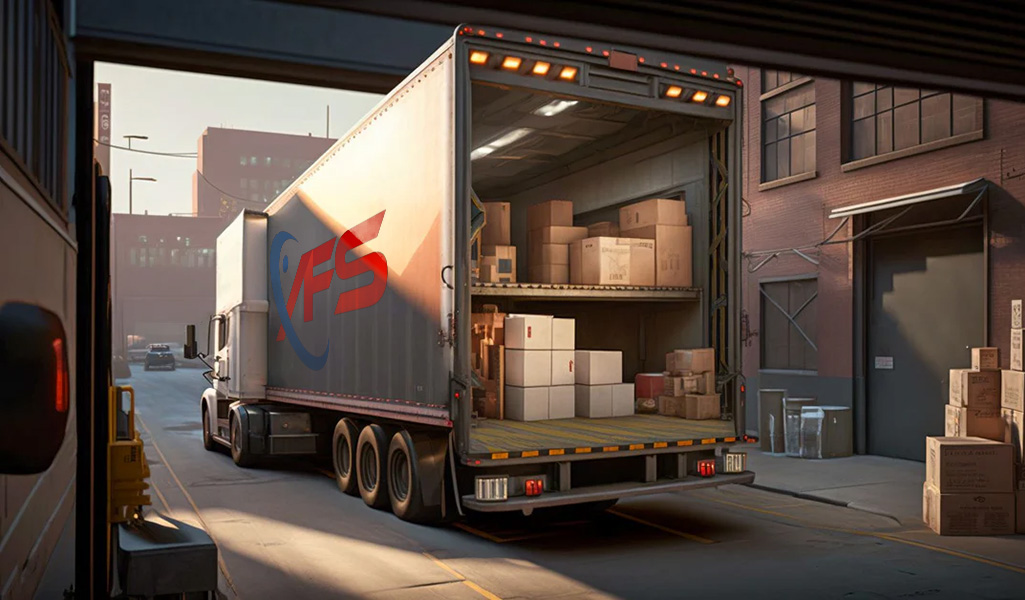
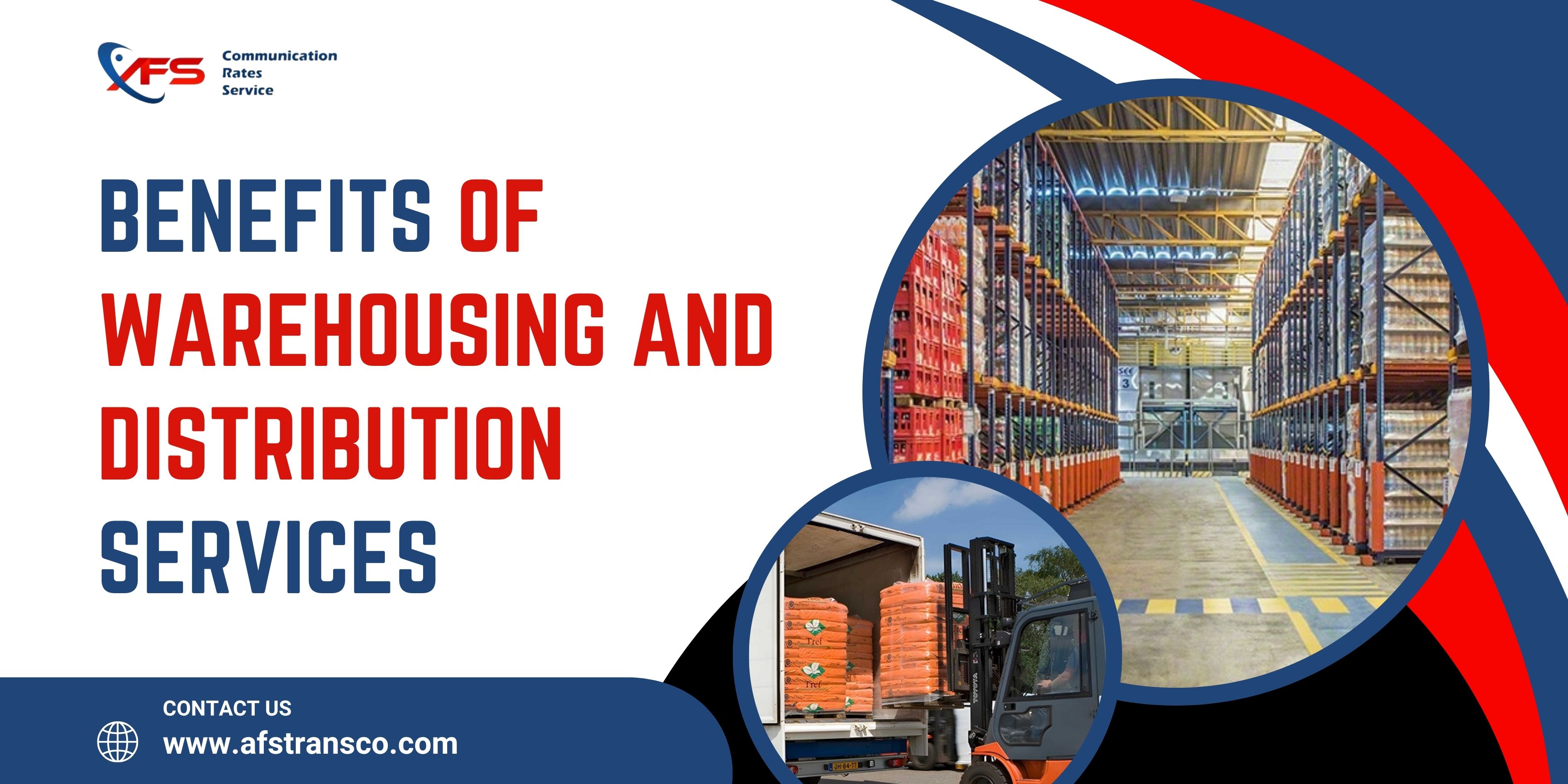
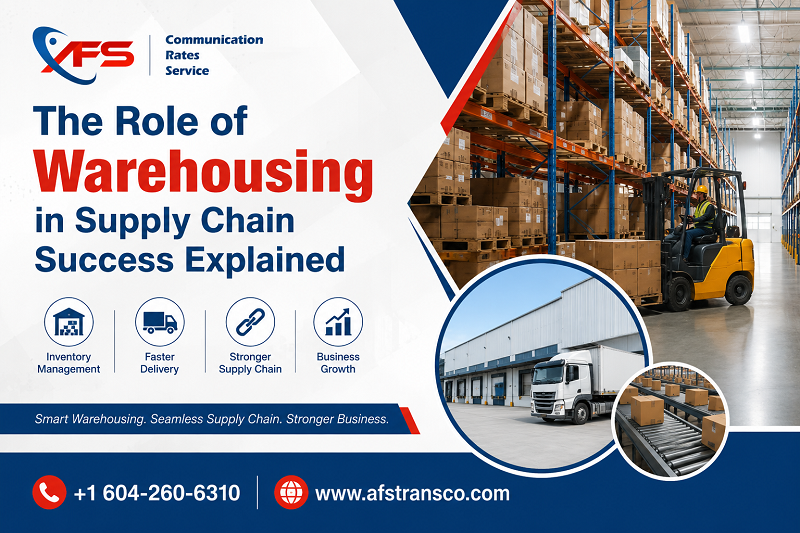
Warehousing doesn't get much glory. It's not flashy like drone delivery or exciting like same-day shipping ads. But underneath all of that convenience sits a network of buildings, shelves, forklifts, and people who make sure products are in the right place at the right time. Without that foundation, none of the rest works. Trucks would have nowhere to load from. Retailers would run out of stock unpredictably. E-commerce as we know it simply wouldn't function the way it does.
So let's talk honestly about what warehousing actually does for a supply chain, why it matters so much more than most businesses realize, and how getting it right (or wrong) can make or break a company's ability to deliver on its promises.
Understanding Warehousing Supply Chain Operations
At its core, a warehousing supply chain operation is the part of the logistics puzzle where goods pause, get organized, and wait for their next move. It sounds simple, almost boring even, until you realize how much complexity is packed into that pause.
Think about a mid-sized retailer that sells everything from kitchenware to garden tools. Products arrive from dozens of suppliers, sometimes hundreds, at different times, in different quantities, with different packaging requirements. Someone has to receive all of that, check it against purchase orders, store it correctly, track it, and then pick and pack it again when a customer places an order. That entire process, done well, is what separates a company that ships accurately and on time from one that constantly scrambles to fix mistakes.
A well-run warehousing supply chain isn't just a storage space. It's an active, moving part of the business. It absorbs demand fluctuations, protects against stockouts, and gives companies the flexibility to respond when something unexpected happens, like a sudden spike in orders or a supplier delay. Without that buffer, businesses would be forced to operate on razor-thin margins of error, and honestly, most wouldn't survive very long doing that.
The Strategic Value of Storage (It's Not Just About Space)
There's a common misconception that warehouses exist purely to hold stuff. Store it here until someone needs it. That's true, but it's such a small slice of the picture.
Warehouses are strategic assets. Their location alone can determine how fast a product reaches a customer. A warehouse placed near major highways or close to a population center can shave a full day off delivery times compared to one tucked away in a remote area. That single decision, where to place inventory, has ripple effects on customer satisfaction, shipping costs, and even how competitive a business can be against larger players.
Then there's the question of what to store and how much. Too much inventory ties up cash and increases the risk of holding obsolete or expired stock. Too little, and you risk disappointing customers or halting production lines. Getting that balance right requires forecasting, data, and honestly, a bit of intuition built from experience. This is where warehousing stops being a back-office function and starts being a genuine competitive advantage.
Companies like AFS Trans Co. understand this deeply. Their approach to warehousing isn't just about renting out square footage, it's about positioning inventory intelligently, so businesses can respond to demand without overextending themselves financially. That kind of thinking is what separates a warehouse partner from a warehouse space.
Inventory Accuracy and the Trust It Builds
Here's something that doesn't get talked about enough: warehousing is deeply tied to trust. When a customer orders a product and it arrives correctly, on time, undamaged, that builds trust in the brand. When it doesn't, that trust erodes fast, sometimes permanently.
Inventory accuracy is the unsung hero here. If a warehouse's system says there are 50 units of a product available but there are actually only 12, that's not a small clerical error. That's a broken promise waiting to happen. Someone orders that item expecting it to ship, and now the business has to explain a delay or, worse, a cancellation.
Modern warehousing supply chain systems use barcode scanning, RFID tags, and real-time inventory software to prevent exactly this kind of mismatch. It's not glamorous work, but it's the kind of quiet precision that keeps entire businesses credible in the eyes of their customers.
There's also an emotional layer to this that's easy to overlook. Behind every order is a person who's waiting, sometimes for something mundane, sometimes for something that matters more, a birthday gift, medical supplies, equipment needed for work. Accurate warehousing isn't just operational efficiency. It's about honoring the expectation that when someone hits "buy," the system behind that click will actually deliver.
Cost Efficiency Nobody Talks About
Let's get practical for a second, because warehousing has a massive impact on the bottom line, even if it rarely gets credited for it.
Poorly managed warehousing leads to wasted space, duplicated labor, and unnecessary transportation costs. Imagine storing slow-moving inventory in prime, easily accessible shelf space while fast-moving products sit buried in the back. Every single order for that fast-moving item now takes longer to pick, which means higher labor costs and slower fulfillment times. Multiply that across thousands of orders a month, and the inefficiency becomes very expensive very quickly.
On the flip side, a thoughtfully organized warehouse reduces handling time, minimizes damage, and lowers the overall cost per order. Some businesses don't realize how much money they're leaving on the table simply because their storage layout hasn't been rethought in years.
This is another area where a well-run warehousing supply chain earns its keep. It's not just about keeping products safe. It's about constantly asking, is this the most efficient way to move this item from point A to point B? Small adjustments, like relocating high-demand SKUs closer to packing stations, can add up to significant savings over a year.
Technology's Growing Role in Modern Warehousing
It would be incomplete to talk about warehousing today without mentioning technology, because the industry has changed dramatically over the past decade.
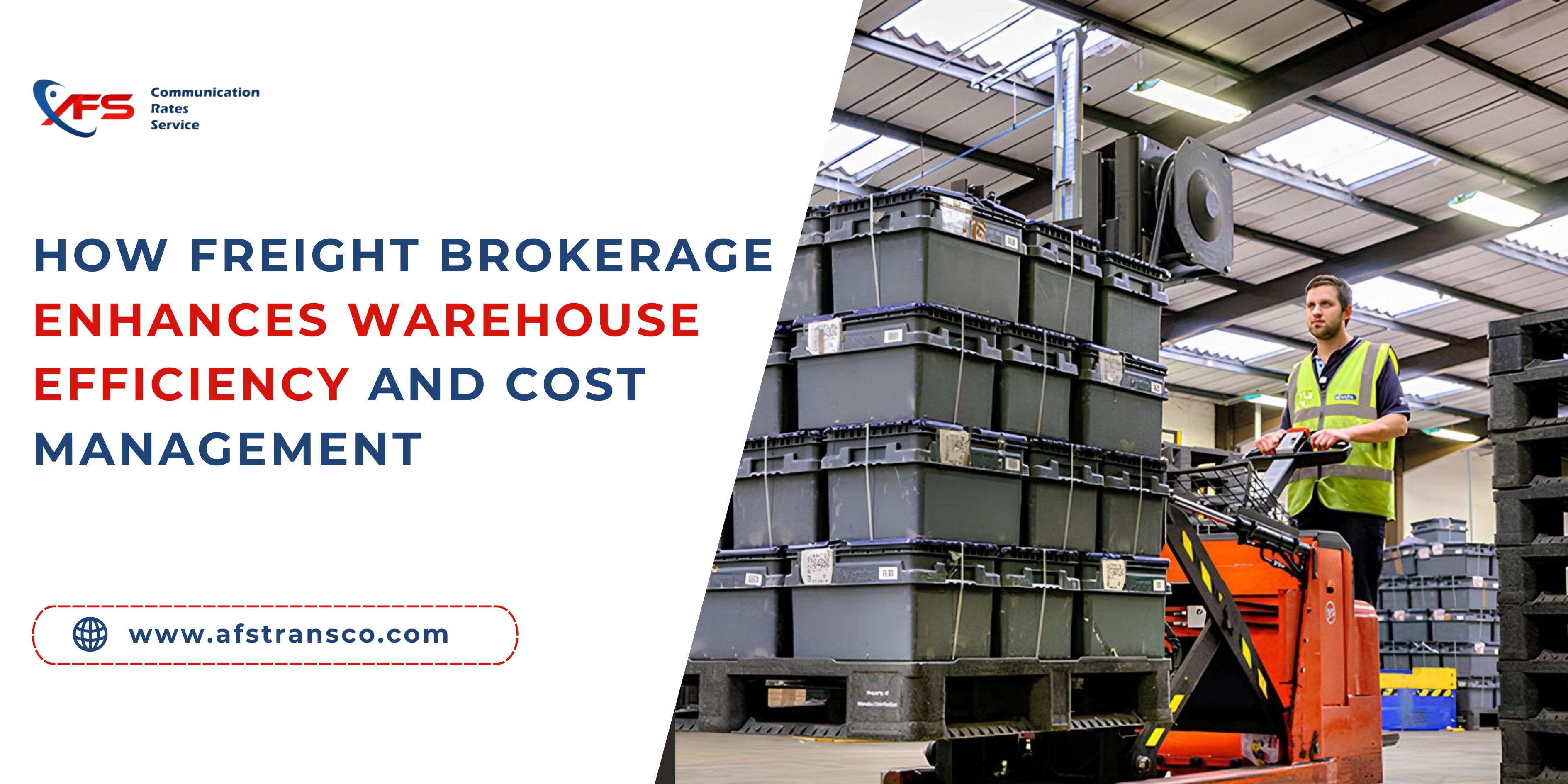
Automated storage and retrieval systems, warehouse management software, and even robotics are becoming more common, not just in massive fulfillment centers but in mid-sized operations too. These tools don't replace the human element, they support it. A well-trained warehouse team combined with smart technology can process orders faster, reduce errors, and adapt to seasonal demand spikes without needing to double their headcount overnight.
Data plays a huge role here as well. Warehouses that track patterns, which products sell together, when demand peaks, how long items typically sit before shipping, can use that information to plan smarter. This kind of forward-thinking approach reflects real expertise, not just operational know-how but a genuine understanding of how supply chains behave over time. It's the difference between reacting to problems and anticipating them before they happen.
Choosing the Right Warehousing Partner
For businesses that don't want to manage warehousing in-house, choosing a reliable partner is one of the most important decisions they'll make. This isn't a decision to rush. A warehousing provider becomes an extension of the business itself, handling a task that directly affects customer experience.
Reliability matters more than almost anything else here. Can the provider scale up during busy seasons? Do they have the technology in place to give real-time visibility into inventory levels? Are they transparent when issues come up instead of hiding them until it's too late? These are the questions that separate a good partnership from a frustrating one.
AFS Trans Co. has built its reputation around answering these questions the right way, offering businesses a level of transparency and reliability that takes the guesswork out of storage and fulfillment. When a company can trust its warehousing partner completely, it frees up mental space to focus on growth instead of constantly worrying about whether orders will go out correctly.
Challenges That Warehousing Still Faces
It's worth being honest that warehousing isn't a solved problem. Labor shortages, rising real estate costs, and increasingly demanding customer expectations around delivery speed are putting real pressure on warehousing operations everywhere.
There's also the challenge of sustainability. Consumers and regulators alike are paying more attention to how goods are stored and moved, and warehouses are being asked to reduce energy consumption, minimize waste, and operate more responsibly. This isn't a passing trend. It's becoming a standard expectation, and businesses that ignore it may find themselves at a disadvantage down the road.
Despite these challenges, the fundamental importance of warehousing hasn't diminished. If anything, it's grown, because customer expectations keep rising, and the margin for error keeps shrinking.
Bringing It All Together
When you strip away the jargon and the logistics buzzwords, warehousing is really about one thing: making promises real. Every time a business tells a customer their order will arrive by a certain date, warehousing is what makes that possible. It's the quiet, often invisible work that turns a transaction into an experience.
Businesses that treat warehousing as an afterthought tend to struggle with inconsistency, rising costs, and frustrated customers. Businesses that treat it as a strategic priority, choosing smart locations, investing in accurate systems, and partnering with reliable providers like AFS Trans Co., tend to build the kind of trust that keeps customers coming back.
At the end of the day, supply chains don't succeed because of flashy marketing or aggressive pricing alone. They succeed because the unglamorous, behind-the-scenes work gets done right, day after day, order after order. That's the real story of warehousing, and it deserves a lot more credit than it usually gets.
Frequently Asked Questions
Everything you need to know about our warehouse & 3PL services.