If you have ever shipped goods internationally or received a large cargo from overseas, you may have heard the term "freight forwarder." But what does a freight forwarder in Vancouver, BC actually do? And why do so many businesses rely on one?
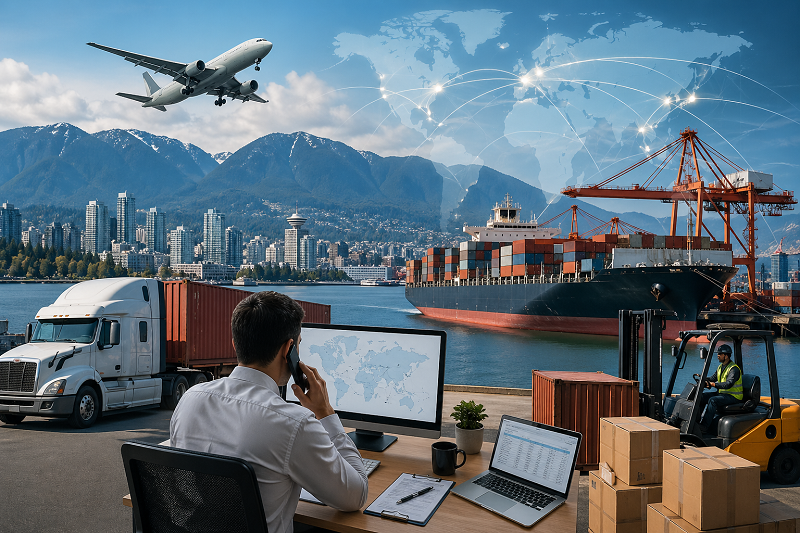
Vancouver is Canada's largest and busiest port city. The Port of Vancouver handles over 140 million tonnes of cargo every single year, connecting Canadian businesses to markets across Asia, Europe, and the Americas. With that level of trade activity, the logistics behind moving goods safely and legally across borders are anything but simple. That is exactly where a freight forwarder steps in.
At AFS Trans Co., we work with businesses across British Columbia every day to make international and domestic shipping smooth, compliant, and cost-effective. In this guide, we break down exactly what a freight forwarder does — in plain language.
What Is a Freight Forwarder?
A freight forwarder is not a shipping company in the traditional sense. They do not usually own the trucks, ships, or aircraft that carry your goods. Instead, think of a freight forwarder as a logistics coordinator — a professional who organizes, manages, and oversees the entire journey of your cargo from Point A to Point B.
A freight forwarder in Vancouver, BC acts as the link between you (the shipper) and the carriers — whether that is an ocean shipping line at the Port of Vancouver, an airline at Vancouver International Airport (YVR), or a trucking company on the Trans-Canada Highway.
Their job is to make sure your cargo moves efficiently, legally, and without unnecessary delays or costs.
The Core Responsibilities of a Freight Forwarder in Vancouver, BC
1. Route Planning and Carrier Selection
The first thing a freight forwarder does is figure out the best way to move your cargo. This involves:
- Selecting the most cost-effective and time-efficient transport mode (ocean, air, road, or rail)
- Choosing the right carrier from a network of trusted partners
- Planning the route to avoid unnecessary stops, port congestion, or border delays
Vancouver's strategic location on Canada's Pacific coast means freight forwarders here have direct access to Asia-Pacific trade routes, U.S. cross-border corridors, and pan-Canadian rail connections through CN and CP Rail. A good freight forwarder knows which routes work best for your cargo type and timeline.
2. Customs Documentation and Compliance
This is one of the most critical — and often most confusing — parts of international shipping. Every shipment crossing an international border requires a specific set of documents. Missing or incorrect paperwork can result in delays, fines, or even seizure of your goods.
A freight forwarder in Vancouver, BC prepares and files all required documents on your behalf, including:
- Bill of Lading – the contract between the shipper and carrier
- Commercial Invoice – details of the goods and their value
- Packing List – itemized list of the shipment contents
- Certificate of Origin – confirms where the goods were manufactured
- HS Code Classification – the standardized code used by customs authorities worldwide
In Vancouver, all imports and exports must comply with regulations set by the Canada Border Services Agency (CBSA) and, for cross-border shipments, U.S. Customs and Border Protection. Freight forwarders stay up to date on these ever-changing regulations so you do not have to.
3. Customs Clearance
Beyond preparing documents, many freight forwarders, including AFS Trans Co., also act as licensed customs brokers. This means they can submit customs declarations directly to the CBSA, pay applicable duties and taxes on your behalf, and ensure your shipment clears the border without unnecessary hold-ups.
Customs clearance in Vancouver involves more than paperwork. Depending on the nature of your goods, your shipment may also need to pass through:
- Transport Canada inspections
- Canadian Food Inspection Agency (CFIA) checks for agricultural products
- Health Canada reviews for pharmaceuticals or medical equipment
Your freight forwarder coordinates with these agencies to keep the process moving.
4. Cargo Consolidation (LCL Shipping)
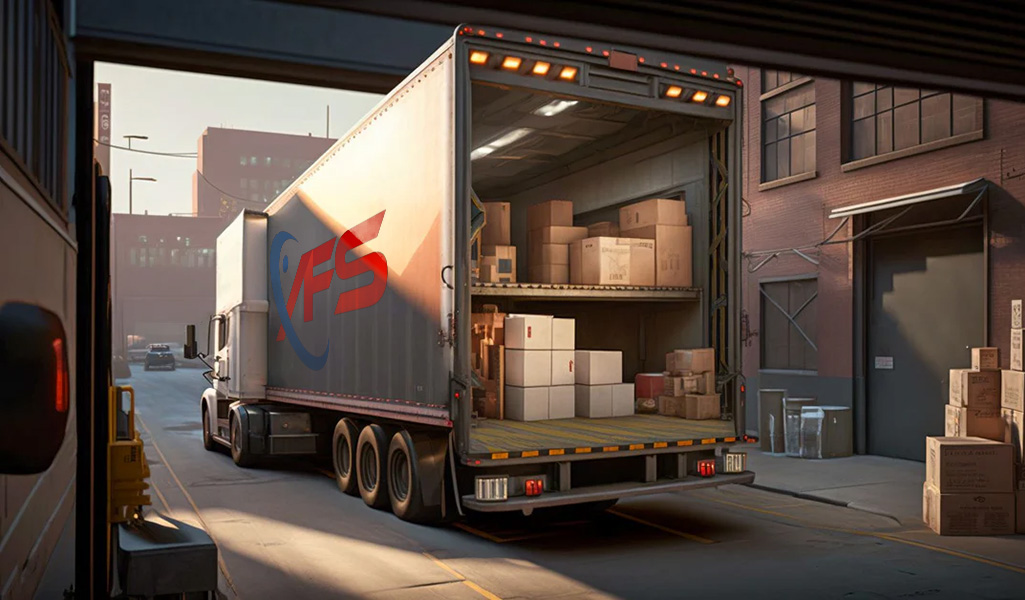
Not every business ships full container loads. If your shipment is smaller, a freight forwarder can consolidate your cargo with other shippers' goods into a single container; this is called Less than Container Load (LCL) shipping.
This allows small and medium-sized businesses in Vancouver to access international shipping lanes at a fraction of the cost of booking an entire container. Your freight forwarder manages the consolidation, ensures your goods are properly separated and labeled, and issues you an individual bill of lading even though your cargo shares space.
5. Full Container Load (FCL) Management
For larger shipments, freight forwarders arrange Full Container Load (FCL) bookings directly with ocean carriers at the Port of Vancouver. They negotiate competitive freight rates, book container space in advance — especially important during busy seasons like September to November — and coordinate the pickup of the container from the port or stuffing facility.
6. Freight Rate Negotiation
Because freight forwarders handle a high volume of shipments for many clients, they have negotiating leverage with carriers that individual businesses simply do not have. This means they can often secure better freight rates than you could get on your own.
AFS Trans Co. maintains long-standing relationships with ocean carriers, air cargo companies, and trucking operators throughout British Columbia and beyond. These relationships translate directly into cost savings for our clients.
7. Cargo Insurance Arrangement
Cargo can be lost, damaged, or delayed during transit — it is a reality of global shipping. A freight forwarder helps you arrange appropriate cargo insurance to protect the value of your goods throughout their journey.
This is separate from carrier liability (which is often limited and based on weight, not actual cargo value). A freight forwarder will explain your options and help you choose coverage that matches the true value and risk profile of your shipment.
8. Shipment Tracking and Status Updates
Modern freight forwarding is built on visibility. Once your cargo is in transit, your freight forwarder provides real-time tracking updates so you always know where your shipment is and when it is expected to arrive.
At AFS Trans Co., we believe our clients should never be left wondering about the status of their goods. Whether your cargo is moving through the Port of Vancouver, crossing the U.S. border at Pacific Highway, or flying out of YVR, you stay informed every step of the way.
9. Warehousing and Last-Mile Delivery
A freight forwarder's responsibility does not always end when cargo arrives at the port. Many Vancouver freight forwarders — including AFS Trans Co. — provide or coordinate:
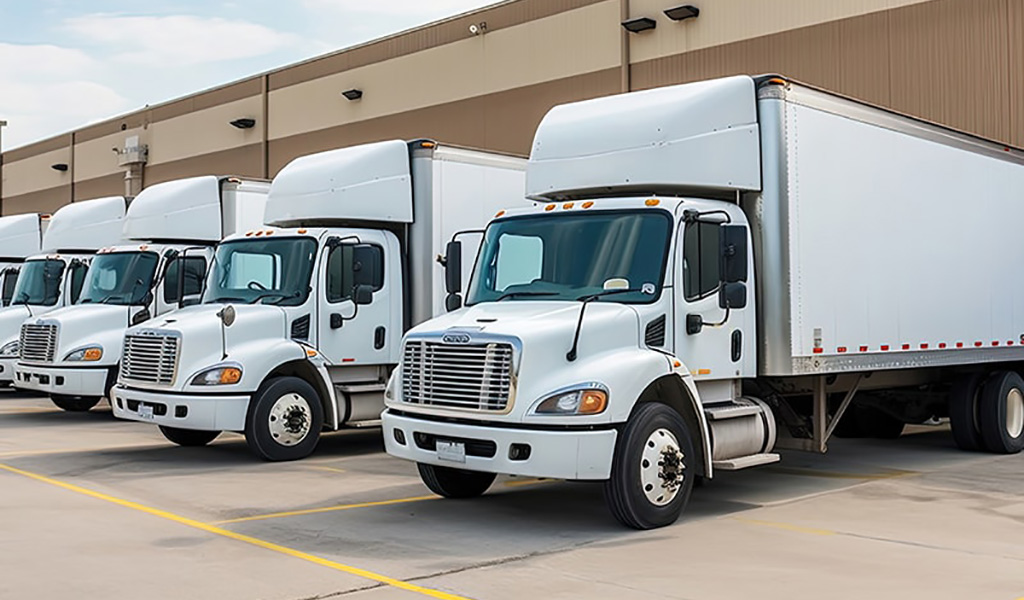
- Short and long-term warehousing in Metro Vancouver
- Transloading (transferring goods from one transport mode to another)
- Last-mile delivery to your warehouse, retail location, or end customer
This end-to-end service means your supply chain stays connected from origin to final destination without you having to manage multiple vendors.
Why Does Vancouver Need Freight Forwarders?
Vancouver's position as Canada's gateway to the Pacific makes it one of the busiest and most complex logistics hubs in North America. Here is why businesses shipping through Vancouver specifically benefit from working with a local freight forwarder:
Port Complexity: The Port of Vancouver is massive — managing terminal bookings, drayage, demurrage fees, and container return deadlines requires local expertise. A freight forwarder who knows the port's rhythm can save you significant money and stress.
Multi-Modal Connections: Vancouver shipments often move across multiple transport modes — ocean to rail, rail to truck, air to road. Coordinating these handoffs requires deep relationships across the logistics network.
Cross-Border Trade: Canada-U.S. trade through British Columbia is enormous. Cross-border freight involves dual customs compliance, and freight forwarders manage both sides of the border seamlessly.
Regulatory Complexity: Canadian import and export regulations change regularly. A professional freight forwarder ensures your business stays compliant at all times.
Freight Forwarder vs. Customs Broker: What Is the Difference?
Many people confuse freight forwarders with customs brokers. Here is the simple distinction:
- A customs broker focuses specifically on customs clearance preparing documents, submitting declarations, and ensuring compliance with CBSA.
- A freight forwarder manages the entire logistics journey from booking carriers and planning routes to coordinating customs clearance and final delivery.
Many freight forwarders, including AFS Trans Co., offer both services under one roof, giving you a single point of contact for your entire shipment.
Who Uses a Freight Forwarder in Vancouver, BC?
Freight forwarding services in Vancouver are used by a wide range of businesses and industries, including:
- Retailers and e-commerce sellers importing products from Asia
- Manufacturers exporting finished goods internationally
- Food and agriculture companies shipping perishable cargo
- Construction and industrial firms moving oversized equipment
- Pharmaceutical companies requiring cold-chain logistics
- Small businesses shipping LCL to international markets for the first time
Whether you are a first-time importer or an experienced exporter managing a complex supply chain, a freight forwarder provides the expertise and network to keep your cargo moving.
How AFS Trans Co. Can Help
AFS Trans Co. is a trusted freight forwarder in Vancouver, BC, serving businesses across British Columbia and beyond. We provide comprehensive logistics solutions including:
- Ocean freight (FCL and LCL) through the Port of Vancouver
- Air freight via Vancouver International Airport (YVR)
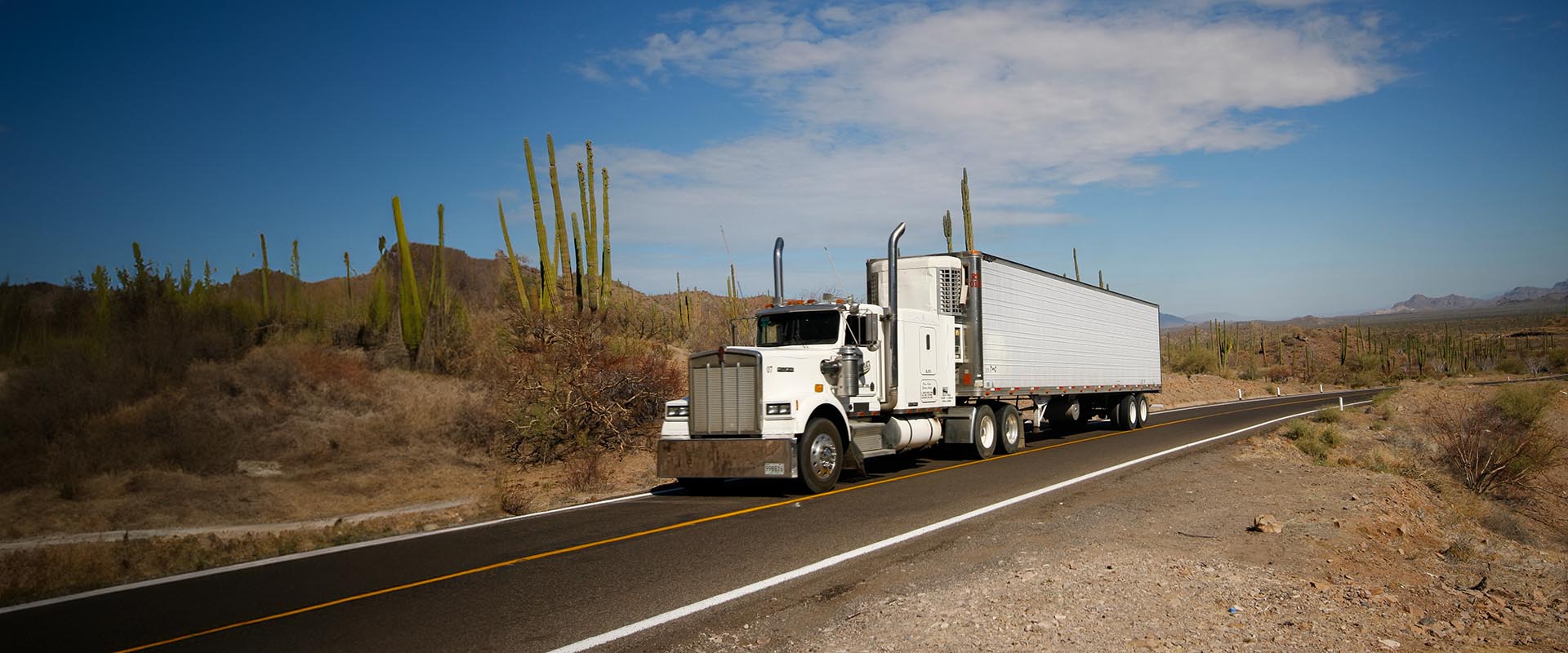
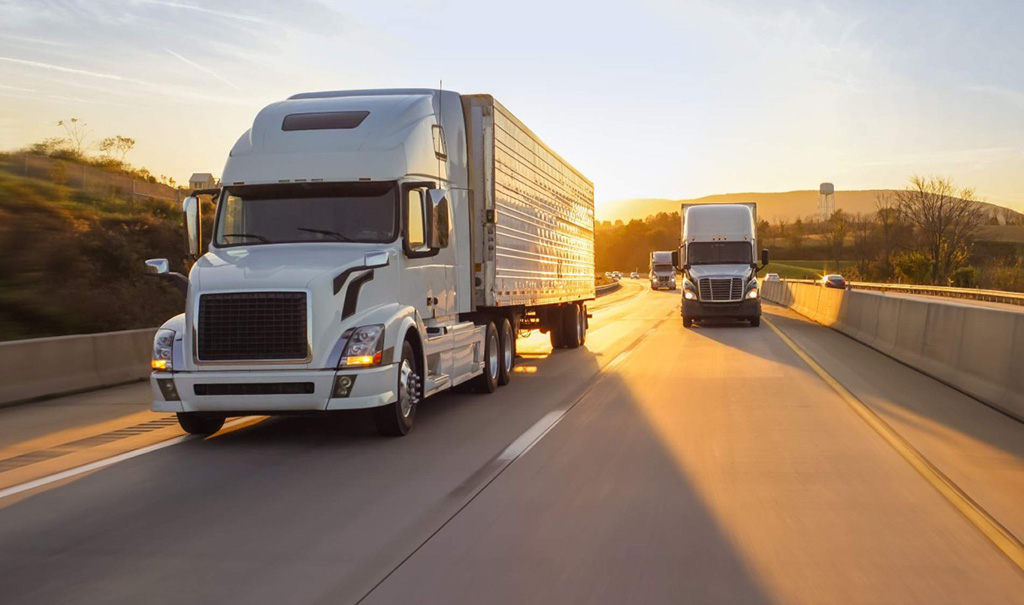
- Cross-border trucking between Canada and the USA
- Customs documentation and clearance
- Cargo insurance
- Warehousing and last-mile delivery coordination
Our team understands the unique logistics landscape of Vancouver, the port, the border crossings, the seasonal freight surges, and the regulatory requirements. We handle the complexity so you can focus on running your business.
Final Thoughts
A freight forwarder in Vancouver, BC does far more than just "ship things." They are your logistics partner handling documentation, negotiating rates, coordinating carriers, navigating customs, and tracking your cargo every mile of its journey.
In a city as trade-active as Vancouver, having the right freight forwarder on your side is not just convenient, it is essential for keeping your supply chain competitive, compliant, and cost-effective.
Ready to ship smarter? Contact AFS Trans Co. today and let our Vancouver-based team handle the logistics so you do not have to.
AFS Trans Co. | Freight Forwarder in Vancouver, BC | Serving Metro Vancouver, British Columbia, and Canada-wide
Frequently Asked Questions
What is the difference between a freight forwarder and a shipping company?
A shipping company owns and operates the vessels, trucks, or aircraft. A freight forwarder arranges and manages the shipment using those carriers — acting as your logistics coordinator rather than the carrier itself.
Do I need a freight forwarder for small shipments?
Yes. Even for smaller LCL shipments, a freight forwarder helps you access better rates, handles customs paperwork, and ensures your goods clear the border correctly — saving you time and potential penalties.
How much does a freight forwarder in Vancouver cost?
Fees vary based on shipment size, mode of transport, and services required. LCL forwarding fees typically range from $150 to $350, while FCL fees range from $300 to $600. AFS Trans Co. provides transparent, itemized quotes so you know exactly what you are paying for.
Can a freight forwarder handle both import and export shipments?
Absolutely. AFS Trans Co. manages both inbound and outbound international freight through Vancouver, handling documentation and compliance for both import and export shipments.