The management of beverage inventory goes beyond just keeping products in stock until they are sold. Along with it, businesses have to take care of the quality control, shelf life, and regulatory responsibilities. Proper handling is necessary when drinks get damaged, spoiled, or unfit for consumption. At this point, the use of dedicated warehousing and beverage destruction services has an important role to play in the organization of operations and compliance.
Beverage Storage and The Importance of Dedicated Warehousing
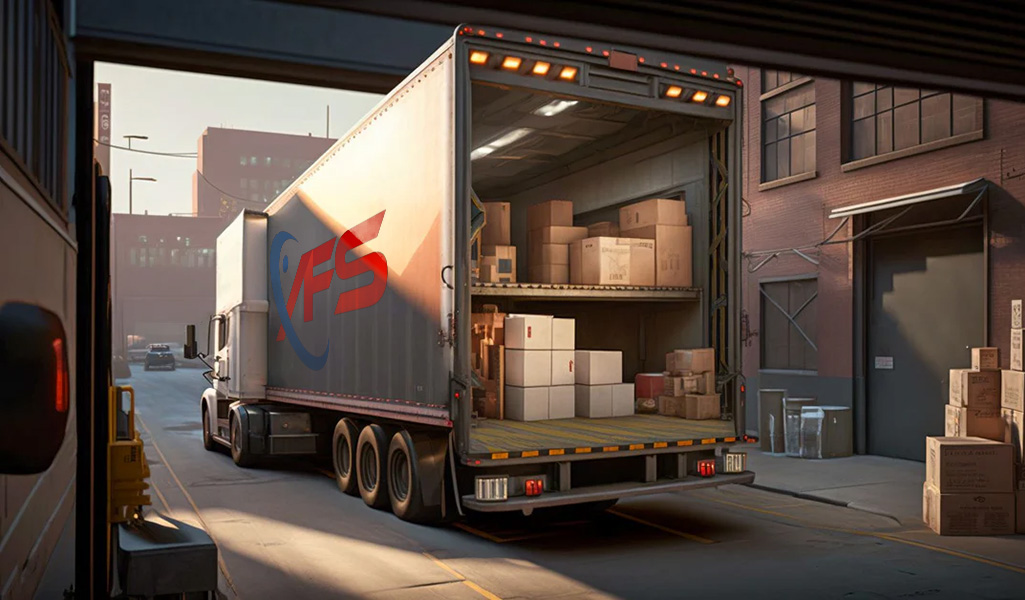
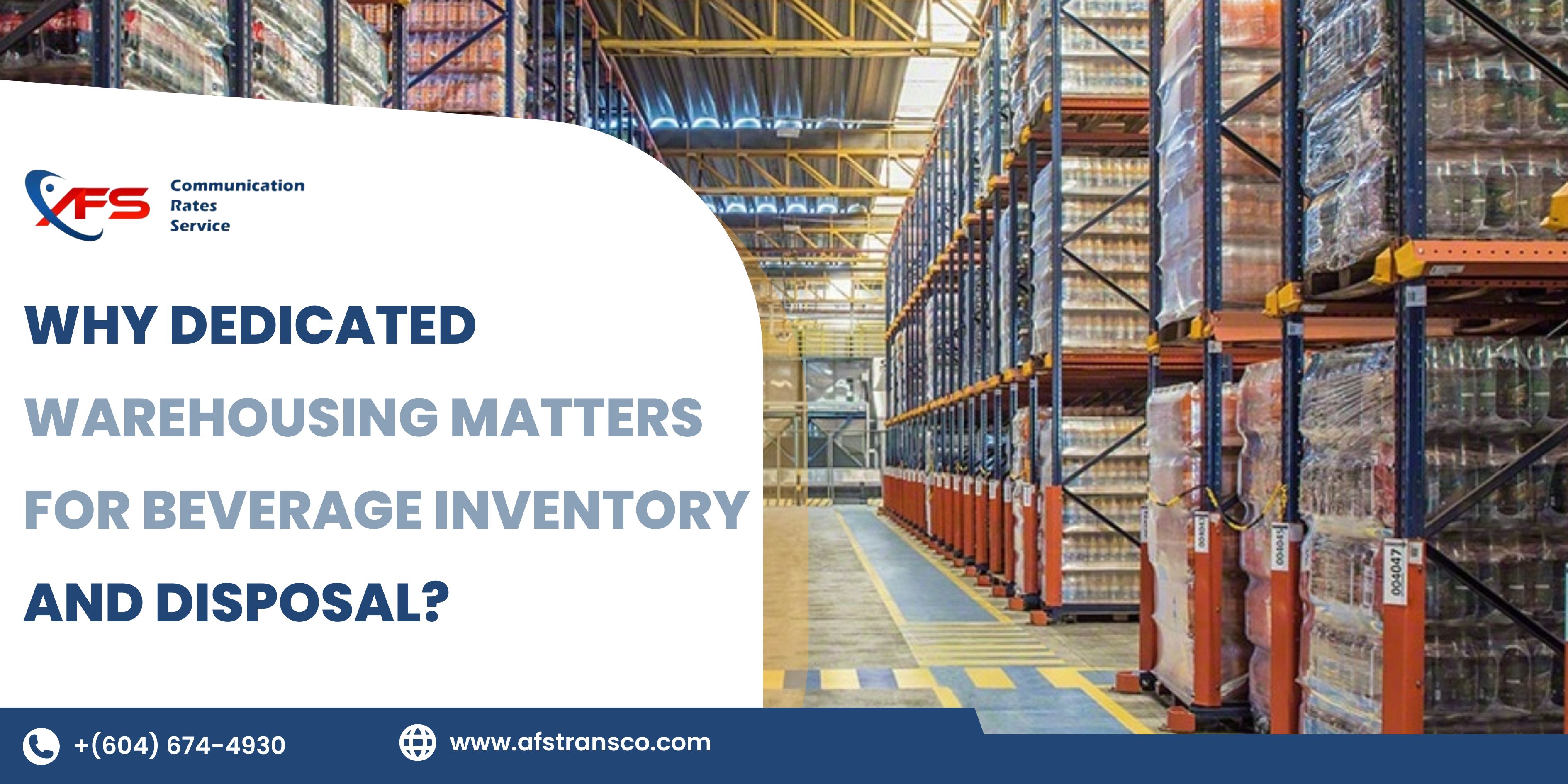
Dedicated warehousing is a term that indicates the space of storage that is being kept exclusively for one business with the design around its specific inventory needs. In the case of the beverage industry, such a setting allows a manufacturer to keep its products at proposed locations and apply the same handling methods. Hence, the overall management of day-to-day operations is rendered easier.
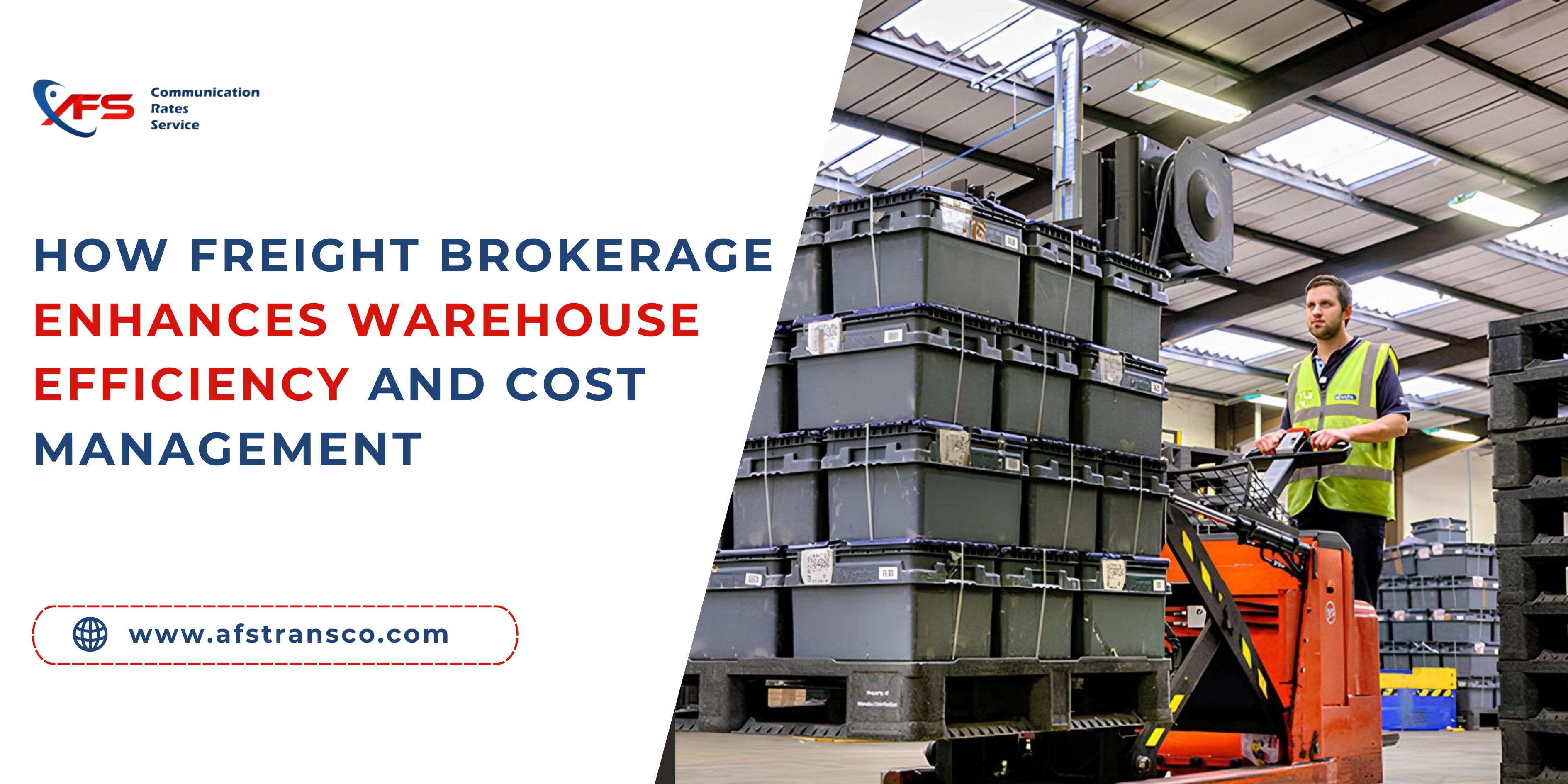
With the help of the dedicated warehousing, the checks of the inventory can be carried out in a more efficient manner. The employees can easily identify the damaged packages, the expired products, or the issues with the labels. Given that the products are not mixed with those of other companies’ stocks, the possibility of mistakes or misunderstandings is minimal. This organization fosters more effective scheduling and more efficient warehouse operations.
Why Beverage Destruction Services Are Necessary
The entire range of beverages is not to be moved on through the supply chain. Certain products might be expired, might not pass the quality check, might get recalled, or might be damaged while being transported. In these instances, beverage destruction services come to the rescue as they give a safe and documented way of the disposal of the goods.
These services are strictly governed by the safety and environmental guidelines that are already in place to make sure that the disposal of the beverages is done in the right manner. The businesses can be provided with documentation that destruction was done properly and that it was done at all. This documentation is very helpful in meeting the compliance requirements of the companies and it also contributes to the reduction of the risk of unsellable products being reused or resold.
How Storage and Disposal Work Together?
The dedicated warehousing allows for a better separation of the sellable and the unsellable products. In the course of the usual inspections, the beverages that are to be destroyed can be transferred to the respective areas inside the warehouse. This is done so that the beverages do not occupy the space which is of great value or also so that they are not shipped by mistake.
In the instance that storage and disposal processes are harmonized, the companies will be able to totally avoid the situation of having to physically handle the products more than once and losing a longer period of operation. The store, inspect, separate, and dispose when needed cycle is the one that is now created and is very easy to follow.
Key Benefits Explained
Better control of the inventory: Dedicated warehousing allows the tracking of the products in storage and their locations. The clear organization of the inventory helps the businesses to keep up the correct records and react quickly to the problems.
Reduced compliance risk:Using safe storage and disposal practices, drinks are processed in a way that meets the regulations. This practice lowers the chances of fines or even legal troubles occurring due to bad handling.
Clean warehouse operations: The sorting of the unusable products keeps the warehouses not only organized but also safer for the employees. It, therefore, leads to less clutter and the daily work being done more productively.
Clear demarcation between usable and unusable stock: The unsellable beverages occupying the designated areas do not cause any accidental shipment and the products approved only, are the ones that move forward.
Conclusion
Beverage inventory management requires planning for both sellable products and the ones that must be disposed of. Dedicated warehousing offers the infrastructure needed for accurate tracking and constant handling, whereas beverage destruction services guarantee environmentally friendly disposal. The combination of these practices supports companies to always be in compliance, to secure the operation, and to handle the inventory in the most efficient way.