Picture this. A customer orders a pair of shoes online, tries them on, and decides the fit isn't right. They print a label, drop the box at a pickup point, and move on with their day without a second thought. But behind that simple click of a button, an entire operational machine kicks into gear: transportation, inspection, restocking, repair, resale, or recycling. That machine has a name, and understanding how it works can make or break a modern supply chain.
If you run an e-commerce store, manage a warehouse, or oversee supply chain operations, you've probably felt the pressure of handling product returns efficiently. It's not glamorous work, but it's become one of the most important functions in retail and logistics today. As online shopping continues to grow heading into 2026, the process of managing goods after the sale, not before it, is quietly becoming a competitive advantage for businesses that get it right.
This guide breaks down everything you need to know, from what the process actually involves to why it matters more than ever, and how companies like AFS Trans Co. are helping businesses turn a costly headache into a strategic asset.
What Are Reverse Logistics Services?
At its core, this is the process of moving goods from their final destination back to the seller, manufacturer, or a designated facility for a purpose other than standard delivery. Think of it as the mirror image of traditional shipping. Instead of goods flowing outward from a warehouse to a customer, they flow backward, and that backward flow needs just as much planning, tracking, and expertise as the original delivery did.
Reverse Logistics Services typically cover a wide range of activities, including product returns, repairs, refurbishment, recycling, remanufacturing, and the resale of returned or excess inventory. It also includes managing packaging returns, handling recalls, and disposing of unsellable goods responsibly. When people talk about Reverse Logistics Services, they're usually referring to the entire system a company builds to handle these backward movements smoothly, without letting returns become a financial drain or a customer service nightmare.
Here's something worth sitting with for a moment: returns are not a side issue anymore. Depending on the industry, return rates for online purchases can range anywhere from 15 to 40 percent, particularly in categories like apparel and footwear. That's a staggering volume of products moving in reverse. Without a solid system in place, that volume can quietly erode profit margins, clog warehouse space, and frustrate customers who expect a smooth, no-hassle return experience.
Why the Reverse Flow Matters So Much Right Now
A few years ago, returns were treated as an unfortunate cost of doing business. You accepted them, absorbed the loss, and moved on. That mindset simply doesn't hold up anymore. Consumers now expect free, easy returns as a baseline requirement, not a bonus. At the same time, sustainability pressures mean businesses can't just toss returned goods into landfills without facing reputational and regulatory consequences.
This shift has pushed companies to rethink how they handle products once they come back through the door. Done well, a strong returns strategy can recover significant value from goods that would otherwise be written off as a total loss. Done poorly, it becomes a tangled mess of lost inventory, unhappy customers, and wasted resources.
The Core Components of a Reverse Logistics System
Understanding the moving parts helps clarify why this function requires specialized expertise rather than an afterthought bolted onto a shipping department.
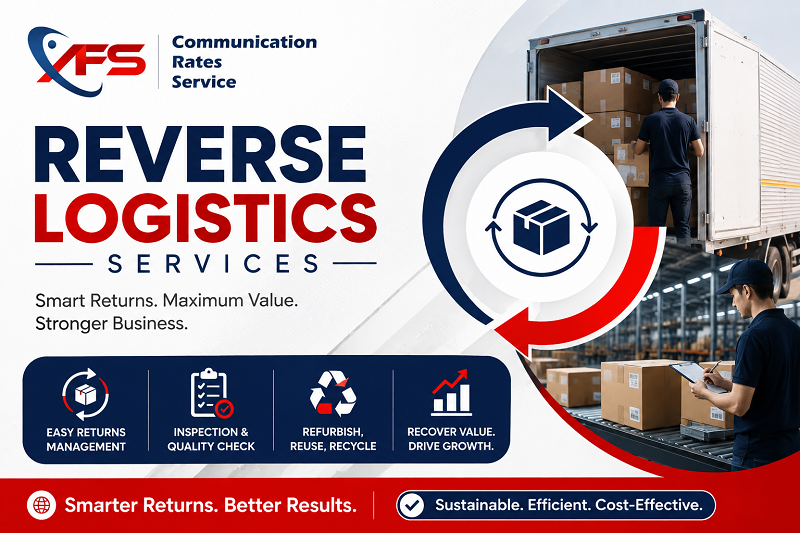
Returns Management: This is the most visible piece for most consumers. It involves the entire journey of a returned item, from the moment a customer initiates a return to when the product is received, inspected, and processed at a facility. A smooth returns management system reduces friction for the customer while giving the business clear visibility into why items are coming back.
Inspection and Sorting: Once a product arrives back at a facility, someone has to make a judgment call. Is it resellable as new? Does it need light refurbishment? Is it damaged beyond repair? This sorting stage determines the entire downstream path of the item and directly affects how much value a company can recover.
Refurbishment and Repair: For electronics, appliances, and other durable goods, refurbishment can breathe new life into returned products. A phone with a minor cosmetic scratch, for example, might be cleaned up and resold at a discount rather than scrapped entirely.
Restocking: Items in good condition often go straight back into inventory. Speed matters here. The faster a returned product is restocked, the sooner it can generate revenue again instead of sitting idle in a warehouse.
Recycling and Disposal: Not everything can be saved. Responsible recycling and disposal practices matter both for compliance with environmental regulations and for maintaining a brand's reputation with increasingly eco-conscious consumers.
Liquidation and Resale: Excess inventory, seasonal overstock, or items that can't be resold through normal channels often get funneled into secondary markets through liquidation partners, giving businesses a way to recover at least partial value.
The Real Business Benefits
It's easy to think of returns handling as purely defensive, a necessary cost to keep customers happy. But there's a stronger case to be made for why investing in this area pays off in ways that go beyond damage control.
Cost recovery is the most obvious benefit. Every returned item that gets resold, refurbished, or repurposed instead of thrown away represents money that would otherwise be lost entirely. Over time, these small recoveries add up to a meaningful impact on the bottom line.
Customer loyalty is another piece often overlooked. A frustrating return experience can permanently damage a customer relationship, while a smooth one can actually strengthen brand loyalty. Studies have repeatedly shown that customers who have a positive return experience are more likely to shop with that retailer again, even after returning a product.
Sustainability has become a business imperative rather than a nice-to-have. Consumers, particularly younger generations, are paying closer attention to how brands handle waste and product lifecycle. A thoughtful approach to reverse logistics services signals that a company takes environmental responsibility seriously, which builds trust over time.
Data insight is a benefit that rarely gets enough credit. Every return tells a story, whether it's a sizing issue, a quality defect, or a mismatch between product description and reality. Companies that pay attention to this data can fix problems at the source, reducing future return rates and improving product design or marketing accuracy.
Common Challenges Businesses Face
None of this happens without friction. Managing the reverse flow of goods is genuinely difficult, and businesses run into recurring obstacles.
Visibility gaps are common, especially for companies that haven't invested in proper tracking systems. Without clear data on where returned items are in the process, warehouses can end up with mountains of unprocessed inventory sitting in limbo.
Cost unpredictability makes budgeting difficult. Unlike outbound shipping, which follows relatively predictable patterns, the volume and nature of returns can fluctuate wildly based on season, product category, and even weather.
Speed expectations have risen sharply. Customers who wait too long for a refund or replacement often become vocal critics, and negative reviews tied to poor return experiences can do lasting damage to a brand's reputation.
Coordination between multiple parties, including carriers, warehouses, and retailers, adds another layer of complexity, particularly for businesses operating across regions or countries.
This is precisely where working with an experienced partner makes a measurable difference. AFS Trans Co. has built its approach around solving these exact pain points, helping businesses design systems that reduce processing time, recover more value from returned goods, and keep customers satisfied throughout the process. Rather than treating returns as an afterthought, AFS Trans Co. works with clients to build the reverse flow into their overall supply chain strategy from the ground up.
What to Look for in a Reverse Logistics Partner
If you're evaluating providers for this function, a few things matter more than flashy marketing claims.
Look for technology integration that gives you real-time visibility into where returned goods are at every stage. Ask about their network of facilities and how quickly they can process items once they arrive. Inquire about their approach to sustainability, particularly how they handle items that can't be resold. And perhaps most importantly, look for a partner who treats returns as a strategic function rather than just a cost center to be minimized at all costs.
Businesses that get this right don't just save money. They build a more resilient, adaptable supply chain that can respond to changing consumer expectations without missing a beat.
Bringing It All Together
The way a business handles products after the sale says just as much about its operational maturity as how it handles the sale itself. As we move deeper into 2026, the companies that thrive will be the ones that stop treating returns as an unfortunate cost and start treating them as an opportunity to recover value, build trust, and operate more sustainably.
Strong Reverse Logistics Services aren't a luxury reserved for large enterprises anymore. They're becoming a baseline expectation, and businesses that fall behind risk losing customers to competitors who make the return experience effortless. Whether you're just beginning to formalize your approach or looking to refine an existing system, partnering with a team that understands the nuances of this work, like AFS Trans Co., can turn what feels like a burden into one of your most valuable operational assets.
If you're ready to take a closer look at how your business handles returns, refurbishment, and resale, it might be time to have a conversation with a partner who's built for exactly that challenge. Explore our freight and warehousing services to see how a connected supply chain strategy can support both your outbound and inbound logistics, or read more on our supply chain insights blog for practical guidance on building a more resilient operation.