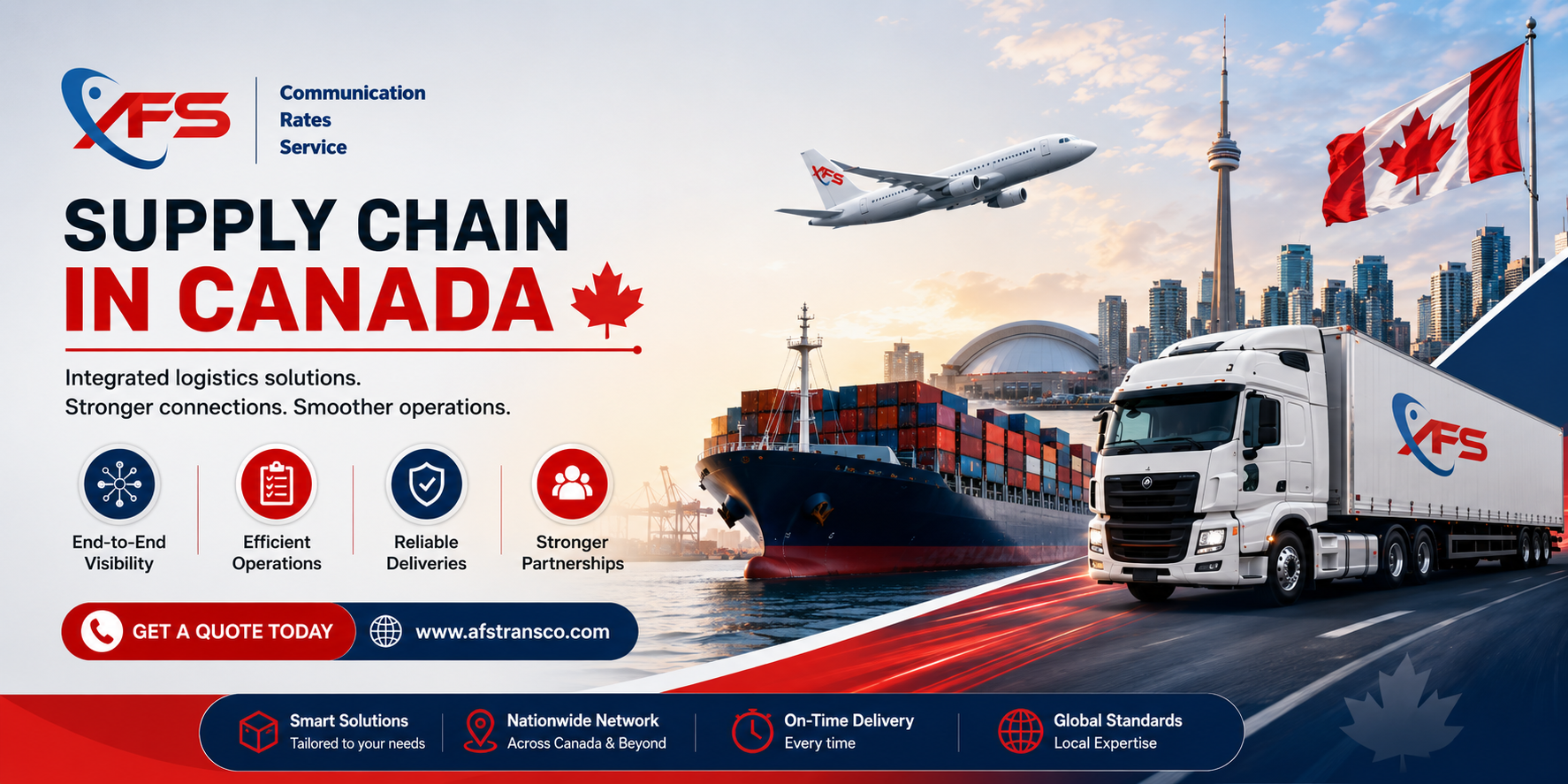
As a business grows, managing the movement of products becomes an important part of daily operations. More customers, larger orders, wider delivery areas, and increased inventory can all create greater logistics requirements. A well-organised supply chain in Canada helps businesses coordinate the movement of goods from suppliers to warehouses, distribution centres, retailers, and customers.
Canada has a large geographical area, with businesses often transporting goods between provinces and across the United States border. This makes reliable transportation, suitable storage, inventory planning, and shipment visibility important considerations for growing companies. When these areas work together, businesses can manage their freight more effectively and maintain a consistent flow of goods.
Understanding the Supply Chain in Canada
A supply chain includes the different activities involved in getting products from their source to the final customer. Depending on the business, this can involve suppliers, manufacturers, transportation providers, warehouses, distribution centres, retailers, and customers.
For example, a manufacturer may send products to a warehouse, where they are stored until they are required for distribution. The products may then be transported to retailers or delivered directly to customers. Each stage needs coordination to keep goods moving according to planned schedules.
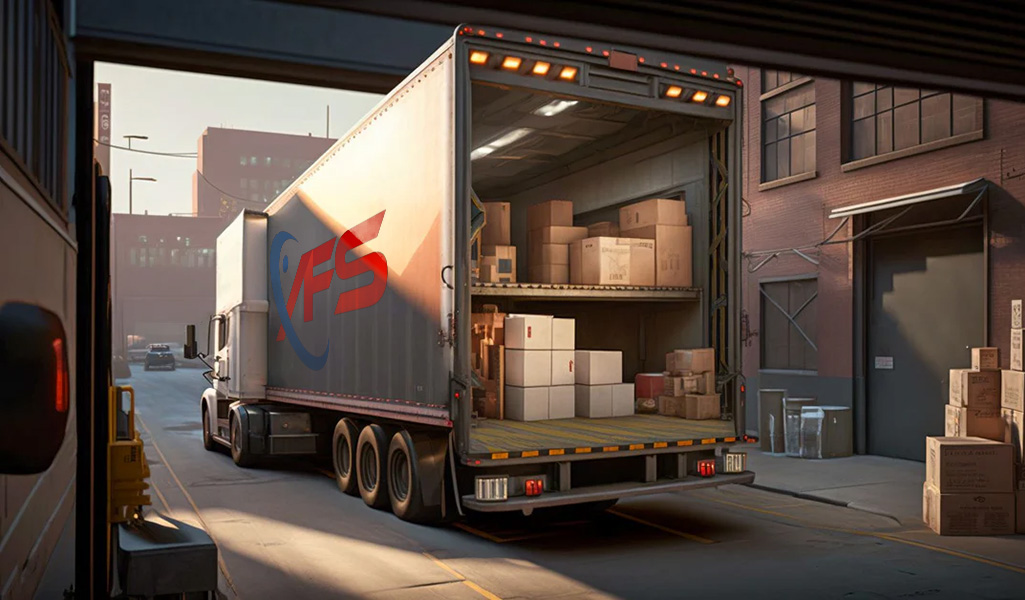
Transportation is one of the main parts of the supply chain. Businesses may use different freight services depending on shipment size, cargo type, destination, and delivery requirements. Warehousing provides another important connection by giving companies a place to store, organise, prepare, and distribute products.
Good communication between suppliers, warehouses, transportation providers, and customers can help businesses maintain better control over their logistics activities.
How Supply Chain Efficiency Supports Business Growth
Better Inventory Management
Growing businesses need to balance product availability with storage requirements. Having suitable inventory levels can help companies meet customer demand while making sensible use of warehouse space.
Supply chain planning allows businesses to consider sales patterns, seasonal demand, supplier schedules, and delivery requirements when managing stock. This can make purchasing and distribution easier to coordinate.
Reliable Transportation
Transportation connects different stages of the supply chain. Consistent freight services help businesses move products between suppliers, warehouses, retailers, and customers according to their planned requirements.
Businesses should consider factors such as route coverage, equipment, shipment size, delivery schedules, and communication when selecting transportation services.
Improved Customer Service
Customers appreciate clear information about their orders and expected delivery dates. Businesses that can monitor shipment progress can provide more useful updates and manage customer expectations more effectively.
Reliable logistics can therefore contribute to a smoother experience from order placement through final delivery.
The Role of Warehousing in Canadian Supply Chains
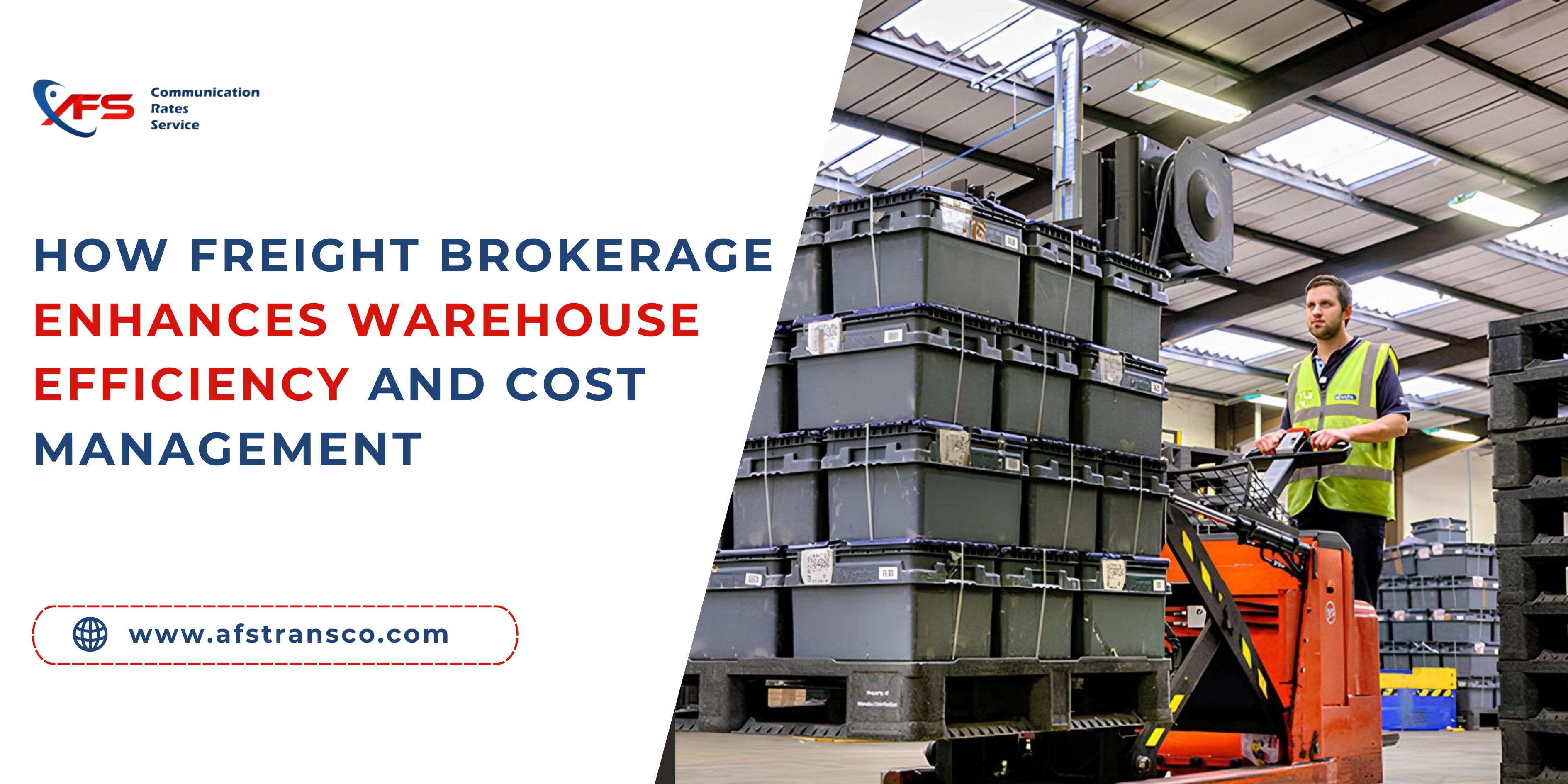
Warehousing provides businesses with a central location for storing and managing products. As a company grows, having sufficient and organised storage can become increasingly important.
Warehouse location can also influence transportation planning. Facilities close to major roads, commercial centres, suppliers, or customer markets can support efficient distribution.
Different products have different storage requirements. Food, beverages, pharmaceuticals, and other temperature-sensitive goods may require refrigerated warehousing to maintain suitable storage conditions.
Temperature-controlled facilities can provide businesses with an appropriate environment for products that require specific temperature ranges. Businesses should consider storage capacity, temperature requirements, handling procedures, location, and transportation access when selecting a facility.
For companies interested in moving goods through a warehouse with limited storage time, cross-docking can also be an important logistics option. To understand how this process works and how it can support freight movement, read this guide on cross-docking warehousing services.
Why Freight Tracking Matters
Shipment visibility becomes increasingly useful as businesses manage more deliveries. Without clear information about freight movement, coordinating warehouse activities and customer communication can be more difficult.
AFS logistics tracking can help businesses monitor shipment progress and maintain better visibility during transportation. Tracking information can support delivery planning, customer updates, receiving schedules, and communication between different teams.
For example, a warehouse team can use shipment information to prepare for an incoming delivery. Customer service teams can also refer to available tracking details when responding to questions about an order.
As shipment volumes increase, having organised freight information can make everyday logistics management easier.
Common Logistics Considerations for Canadian Businesses
Businesses operating across Canada need to consider several factors when planning their supply chain.
Canada's large size means that shipments may travel considerable distances between provinces. Businesses should therefore consider routes, delivery schedules, transportation capacity, and destination requirements.
Weather and seasonal conditions can also influence transportation planning. Companies may benefit from considering expected conditions when arranging longer-distance shipments.
Cross-border transportation introduces additional requirements, including appropriate documentation and customs procedures. Businesses should ensure that shipment information is accurate and prepared before freight begins its journey.
Demand can also change throughout the year. Seasonal sales, promotions, new product launches, and changes in customer purchasing patterns can all influence inventory and transportation requirements.
How Businesses Can Improve Supply Chain Management
Growing companies can take several practical steps to improve their logistics processes.
Work with suitable logistics partners: Consider service coverage, experience, equipment, communication, and transportation capabilities.
Improve shipment visibility: Tracking tools can help businesses monitor freight and provide customers with useful delivery information.
Coordinate warehousing and transportation: Connecting storage and transportation activities can support smoother movement between different stages.
Plan inventory carefully: Review sales patterns and expected demand when determining stock requirements.
Review transportation routes: Regularly assess routes and delivery schedules to identify opportunities for more efficient planning.
Monitor logistics performance: Reviewing transportation activity, warehouse processes, delivery schedules, and freight requirements can help businesses make informed improvements.
How AFS Trans Co. Supports Growing Businesses
AFS Trans Co. provides transportation and logistics services for businesses managing freight requirements across Canada. Its services include freight transportation, warehousing, cross-docking, transloading, and shipment tracking.
Having access to different logistics services can help businesses coordinate various stages of freight movement. This can be particularly useful for companies experiencing increasing shipment volumes or expanding into new markets.
With suitable transportation, warehousing, and tracking support, businesses can organise their freight activities around their operational requirements while continuing to focus on customer service and growth.
Conclusion
A well-managed supply chain in Canada can support businesses as they expand their customer base, product range, and delivery requirements. Transportation, warehousing, inventory management, and shipment visibility all play an important role in keeping goods moving between different stages.
Businesses handling temperature-sensitive products may benefit from refrigerated warehousing, while companies managing multiple shipments can use tracking services to maintain better freight visibility. Understanding different logistics options allows businesses to choose services that suit their products and operational needs.
As your business grows, regularly reviewing transportation, storage, and tracking requirements can help you prepare for changing demand. Contact AFS Trans Co. today to discuss your freight transportation and warehousing requirements across Canada.
Frequently Asked Questions
1. What does the supply chain in Canada include?
The supply chain in Canada can include sourcing, manufacturing, transportation, warehousing, inventory management, distribution, and final delivery. The exact process varies according to the business and products being handled.
2. What is refrigerated warehousing used for?
Refrigerated warehousing is used for products that require controlled temperature conditions during storage. Food, beverages, pharmaceuticals, and other temperature-sensitive products may require this type of facility.
3. How does logistics tracking help businesses?
AFS logistics tracking can help businesses monitor shipment progress, coordinate deliveries, prepare receiving areas, and provide customers with useful freight updates.
4. Why is warehousing important for growing businesses?
Warehousing provides organised storage for products and supports inventory management, order preparation, and distribution. It can also give businesses additional capacity as their product volumes increase.
5. How can businesses improve their supply chain?
Businesses can improve supply chain management by choosing suitable logistics partners, planning inventory carefully, coordinating transportation and warehousing, monitoring shipments, and regularly reviewing logistics performance.