Quick Answer
A pallet of soda with a misprinted label. A shipment of sparkling water that spent too long in a hot container. Ten thousand cans that missed their best-before date while a promotion was being rebranded.
Every business that handles beverages ends up with stock it can't sell. What you do next matters. Dump it the wrong way and you risk fines, environmental damage and a headache with your brand. Handle it well and you recover materials, protect your reputation and free up warehouse space.
This guide explains what beverage destruction services involve, how to compare providers, and what to check before you sign up.
What Do Beverage Destruction Companies Actually Do?
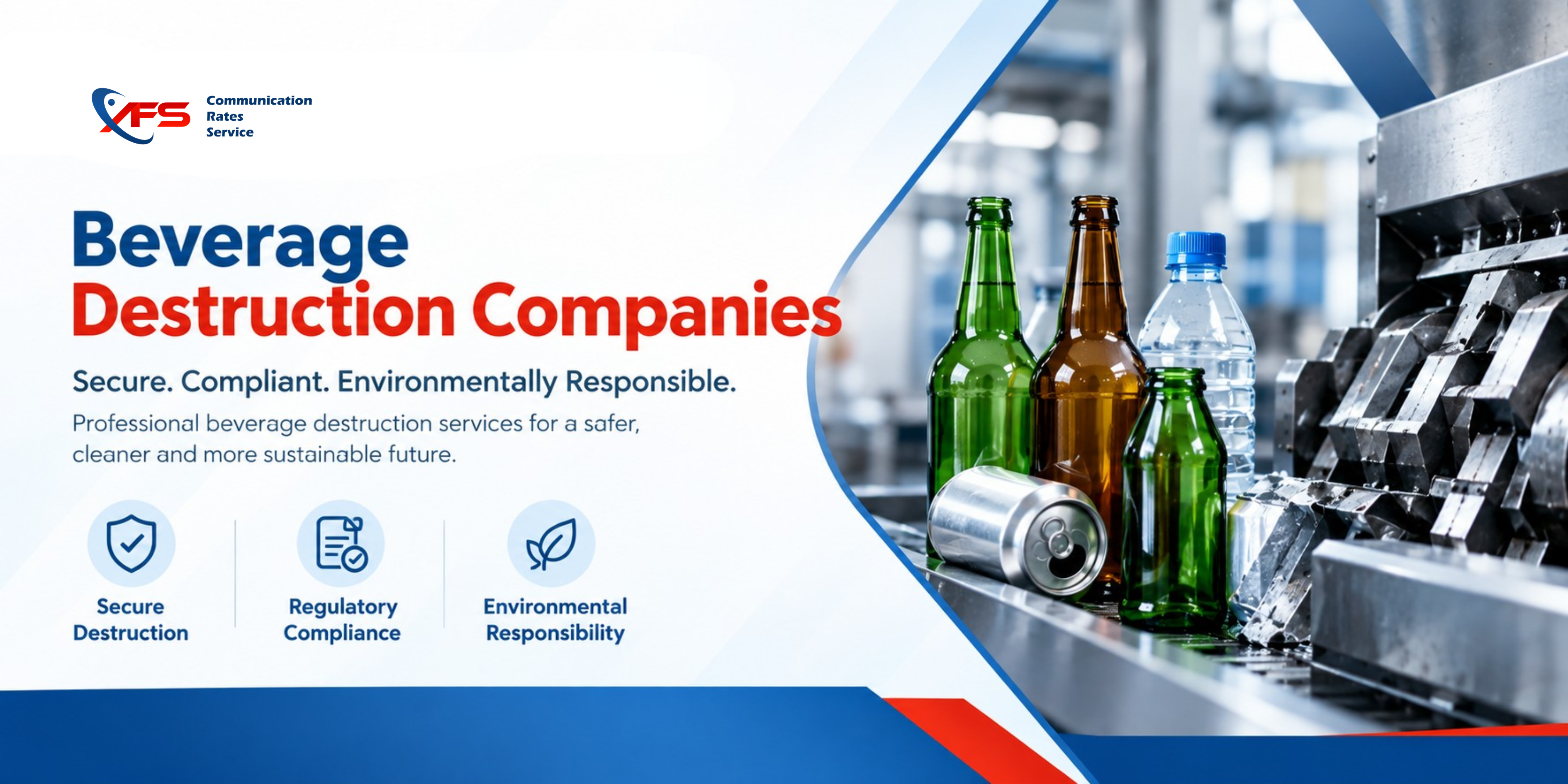
Beverage destruction companies take drinks that can't be sold and make sure they are disposed of safely and legally. That usually covers more than emptying bottles. A proper service includes transport, sorting, recycling and paperwork.
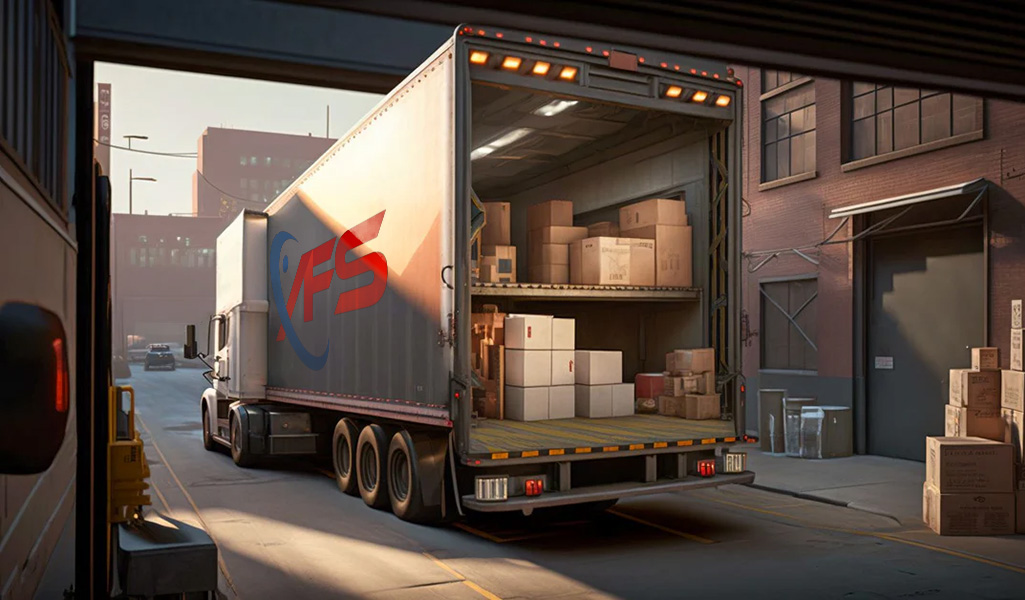
AFS Trans Co. offers beverage destruction services for expired and damaged beverages, covering plastic bottles, aluminum cans and glass jars, with container sorting, package recycling and flexible scheduling.
Why Businesses Use Beverage Destruction Services
- Expired or short-dated stock that can't be sold in time
- Damaged goods such as dented cans, leaking bottles or crushed cases
- Recalls where product has to be removed from the market
- Labeling errors or packaging changes that make stock unsellable
- Discontinued or rebranded lines with leftover inventory
- Returns from retailers or distributors
- Brand protection, so that unsellable stock doesn't end up back on the market
How the Beverage Destruction Process Works
Every provider does things a little differently, but most follow a similar path:
- Assessment and inventory. You list what needs to go: product type, quantity, condition and location.
- Scheduling and collection. The provider arranges pickup, or you deliver the stock to their site.
- Receiving and checking. The goods are counted and matched against your list.
- Sorting and separation. Liquid is separated from the containers, and materials are sorted into plastic, aluminum, glass and cardboard.
- Recycling and disposal. Recyclable materials are sent for recovery. Anything that can't be recycled is disposed of properly.
- Documentation. You receive records for your files. Ask what the provider supplies, since your auditors or insurers may need it.
Common Materials and Their Recycling Process
Aluminum Cans: Sorted and sent for recycling, where the metal can be recovered.
Plastic Bottles: Separated by type and sent for recycling where possible.
Glass Bottles and Jars: Sorted and sent to glass recycling facilities.
Cardboard and Shrink Wrap: Separated and recycled or disposed of according to local rules.
Wooden Pallets: Reused, repaired, or recycled when their condition allows.
Compliance: What to Check Before You Ship
Rules depend on what you're destroying and where. Ordinary soft drinks are simpler than alcohol, energy drinks or anything that's been recalled. Alcoholic products may be subject to additional provincial and federal requirements, depending on the product and circumstances. Confirm the applicable requirements with the relevant authority before disposal.
That's why it pays to ask questions early, rather than after a pallet has left your dock.
How to Choose Between Beverage Destruction Companies
When comparing beverage destruction providers, consider more than just the price. Check the following points:
- Environmental Practices: Ask whether containers are recycled or sent to landfill.
- Regulatory Compliance: Confirm they follow local, provincial, and federal environmental requirements.
- Documentation: Find out what records or certificates you receive after the destruction is completed.
- Transport: Check whether the company can collect the stock or if you need to arrange transportation.
- Storage: Ask whether they can safely store your stock until the destruction is scheduled.
- Scheduling: Confirm whether they can handle one-time clearouts as well as regular destruction jobs.
- Experience: Ask how long they have handled beverage destruction and what volumes they typically manage.
We go deeper on this in our practical guide to safe, compliant beverage destruction.
Mistakes to Avoid
- Pouring large volumes down a drain, which can break local sewer rules
- Giving stock to someone who won't say where it ends up
- Leaving expired product in the warehouse until it takes up valuable space
- Skipping paperwork because the job seemed small
- Not checking what applies to alcoholic or recalled products
Why a Warehouse in Vancouver Makes the Process Easier
Destruction rarely happens the moment stock becomes unsellable. Products often need to be counted, separated and held while paperwork is completed or a pickup is scheduled.
Working with a provider that has a warehouse in Vancouver and the Lower Mainland means stock doesn't have to travel far or sit at a customer site. Our warehousing services in Vancouver, BC offer rack storage, cross-docking and repacking, and our Surrey facility keeps freight close to major routes.
It's also useful if you want to separate what can be saved from what has to go. Sometimes only part of a pallet is damaged, and the rest can be repacked and sold. Dedicated warehousing for beverage inventory and disposal explains why keeping those stocks organized saves time and money.
Where a Freight Forwarder in Vancouver, BC Fits In
Beverage stock isn't always sitting in a local warehouse. Imported drinks may be stuck in a container at the port, refused at a border, or sitting in a distribution center hundreds of miles away.
A freight forwarder in Vancouver, BC can coordinate the moving parts: collecting containers, arranging transport, and lining up paperwork. If you're not sure what a forwarder does, this guide to what a freight forwarder in Vancouver, BC actually does is a good starting point.
If the goods are imported, check with your customs broker about whether they can be destroyed here or must be returned or handled in a particular way. Rules vary depending on the product and its status.
Who Can Help With Beverage Destruction?
Expired Stock in Your Own Warehouse: A beverage destruction provider, plus a local trucking company if transportation is needed.
Imported Product Stuck at the Port: A freight forwarder, customs broker, and beverage destruction provider.
Retail Returns Coming Back in Bulk: A reverse logistics and warehousing partner.
Recall Across Several Locations: A logistics partner that can collect products from multiple locations.
AFS Trans Co. focuses on beverage destruction, freight and warehousing. If you're dealing with furniture as well, tell us early. We can help you plan how the stock, storage and transport fit together.
Conclusion
Choosing between beverage destruction companies comes down to a few practical things: how they handle materials, what compliance and paperwork they provide, and whether they can manage collection and storage. The more of that a single partner can cover, the fewer loose ends you have to chase.
A local warehouse, a reliable freight network and clear communication turn a messy clearout into a straightforward job, whether you're dealing with one pallet of damaged cans or a whole site full of stock and furniture.
If you'd like to talk through your situation, the AFS Trans Co. team is here to help.
Frequently Asked Questions
What do beverage destruction companies do?
They collect or receive unsellable drinks, separate the liquid from the containers, sort and recycle materials where possible, and provide documentation for your records.
What counts as beverage waste?
Expired, damaged, recalled, mislabeled and discontinued drinks all qualify. That includes plastic bottles, aluminum cans, glass containers and their packaging.
How much do beverage destruction services cost?
It varies with volume, product type, packaging, distance and whether the product includes alcohol. The simplest approach is to send a list of what you have and request a quote.
Can alcoholic beverages be destroyed the same way?
Not always. Alcohol may involve extra rules, including provincial requirements and excise considerations. Check with the relevant authority and your provider before scheduling.
Do I get proof that my products were destroyed?
Ask before you book. Many businesses need records for auditing, insurance or retailers. Confirm what documentation is provided and when.