Quick Answer
Trans service logistics is the planned movement and storage of freight (trucking, freight forwarding, warehousing, returns, and disposal) managed as one system instead of by separate vendors.
For most Vancouver businesses, the strongest setup pairs a local freight forwarder in Vancouver, BC with dedicated warehousing for steady inventory, plus a documented process for expired or damaged goods. Choose a partner on lane coverage, shipment visibility, warehouse access, and how fast a real person answers the phone.
Introduction
Ask five shippers what "logistics" means and you will get five different answers. A furniture importer thinks about container pickups and scuffed corners. A beverage brand thinks about pallets, best-before dates, and what happens to products that can no longer be sold. A retailer thinks about whether the truck arrives before the promotion starts.
All of them are describing the same job from different angles. That job is moving goods from where they are made to where they are needed, without losing money, time, or customer trust along the way.
AFS Trans Co. has handled freight and warehousing for more than 15 years from its base in Surrey, BC. This guide explains how trans service logistics fits together, where freight forwarding and warehousing decisions tend to go wrong, and what to check before you sign with any provider.
What Trans Service Logistics Actually Covers
The term sounds broad because it is. In practice, it covers every handoff between a product leaving a supplier and reaching a customer, or coming back again. Our own logistics services span road, rail, and ocean transport across the U.S., Canada, and Mexico, which is a good example of how wide the scope can get.
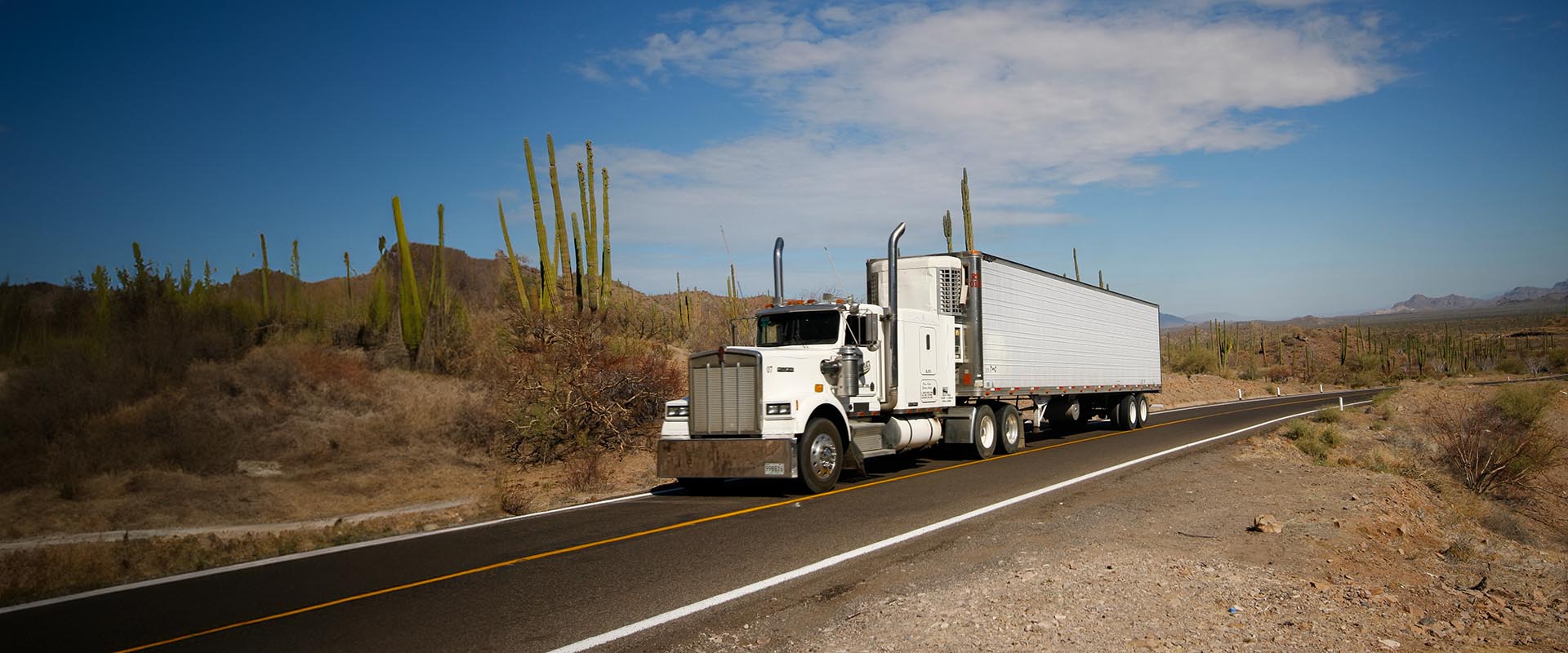
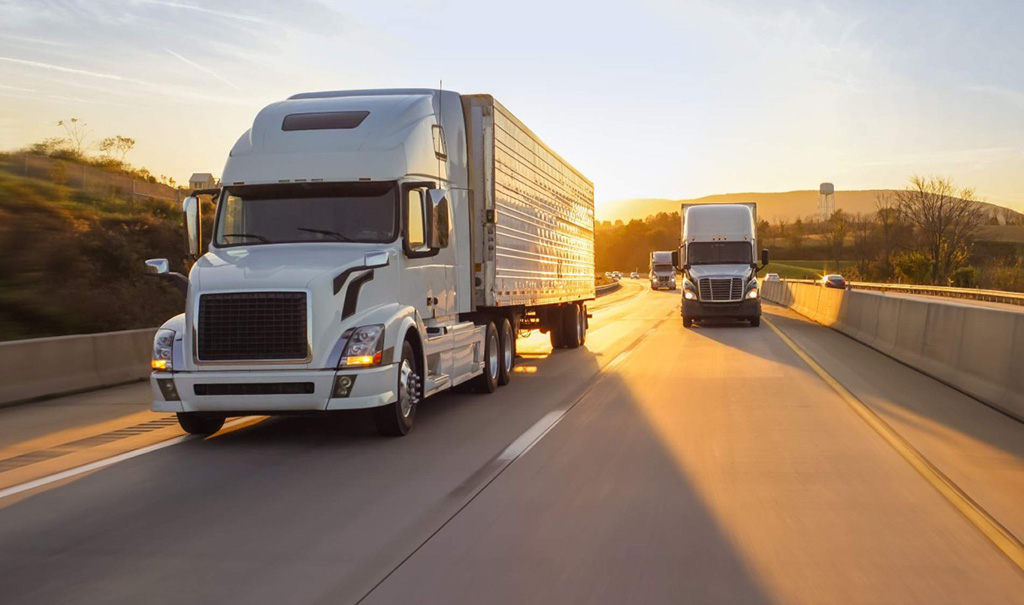
Trucking: Includes truckload, less-than-truckload, dry van, and refrigerated freight. This is particularly useful for businesses with regular shipping routes and ongoing transportation needs.
Freight Forwarding: Covers booking ocean, air, or rail transportation, along with customs paperwork and shipment coordination. It is especially useful for importers and exporters managing goods across borders.
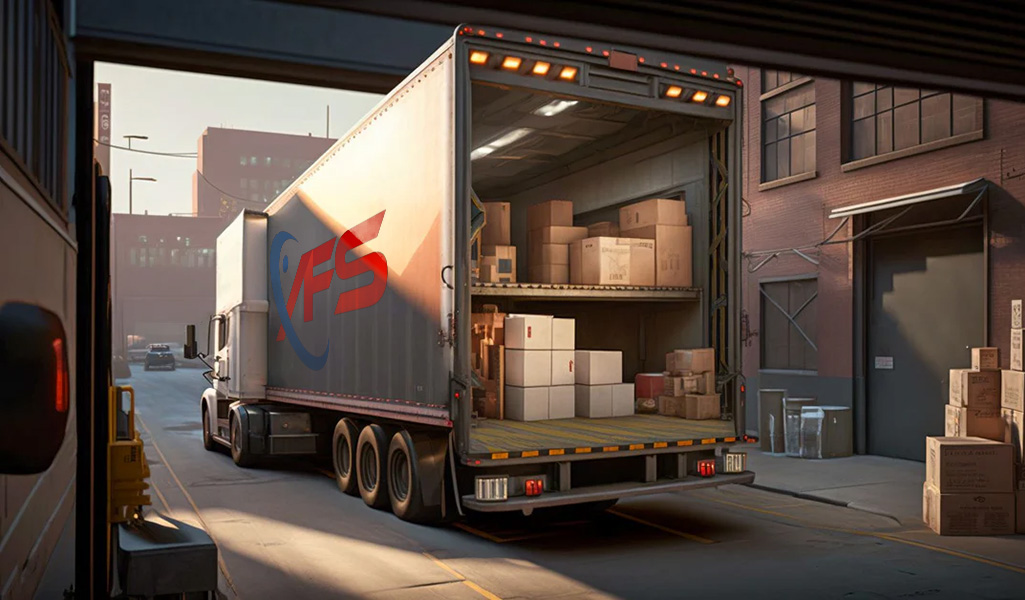
Warehousing: Includes storage, cross-docking, transloading, and order fulfilment. These services can help businesses manage growing inventory and organise distribution more efficiently.
Reverse Logistics: Covers product returns, inspection, restocking, refurbishing, and resale. This can be particularly valuable for retail and e-commerce businesses handling returned products.
Product Destruction: Provides a structured way to manage the compliant disposal of expired, damaged, or unsellable goods. This can be important for beverage and food producers that need to remove products from their supply chain.
Together, these services create a more connected logistics process, helping businesses move, store, manage, and distribute their products more efficiently.
Choosing a Freight Forwarder in Vancouver, BC
Vancouver is Canada's main Pacific gateway, so a large share of imported goods, including furniture, electronics, and food, arrives here before moving inland. A good freight forwarder in Vancouver, BC keeps that journey organized from the origin port to your warehouse door.
What a Forwarder Handles
- Booking space with ocean carriers, railways, and trucking partners
- Preparing and checking shipping and customs documents
- Coordinating pickup at the terminal and delivery to your facility
- Offering cargo insurance options and flagging delays early
If you want a closer look at pricing and process, our guide on what a freight forwarder in Vancouver costs and how to save walks through typical charges line by line.
Questions Worth Asking Before You Commit
- Is your quote all-in, or will terminal, customs, and fuel charges appear later?
- Who is my single point of contact when a shipment is delayed?
- Can you move my freight from the port straight into a warehouse you operate?
- How do you share tracking updates, and how often?
Expert Tip
Compare quotes on landed cost, not the base rate. A cheap line item that leaves out drayage, customs handling, or detention fees usually ends up costing more than a quote that lists everything upfront.
Dedicated Warehousing: When Exclusive Space Pays Off
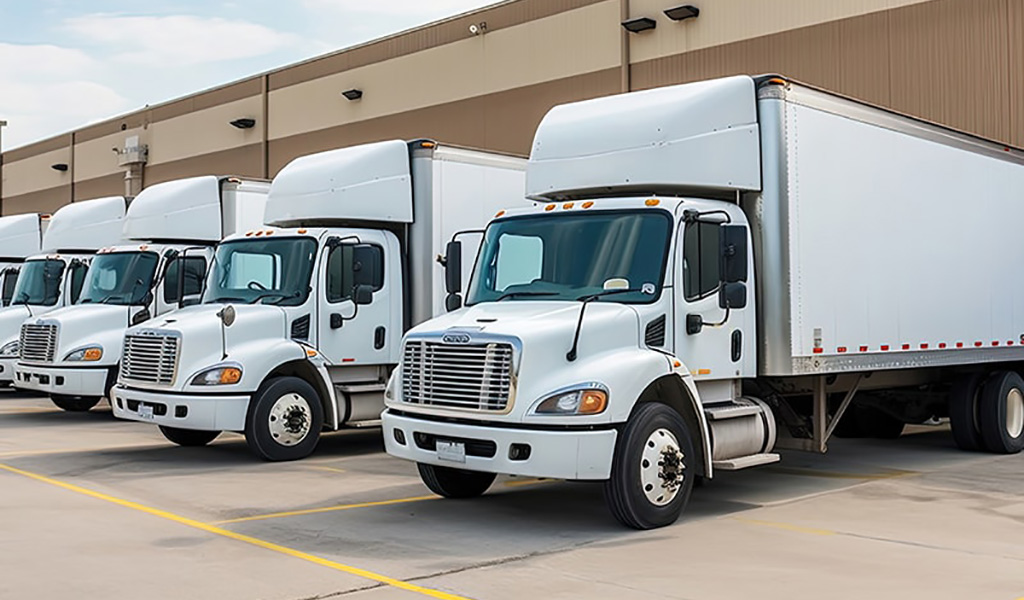
Shared warehouse space can work well for small or unpredictable volumes. Once your inventory becomes steady, or your products require additional handling, dedicated warehousing can become a more practical option. It gives you space specifically allocated for your goods, allowing the layout and processes to be organised around how your team actually receives, picks, packs, and ships products.
AFS offers dedicated warehousing alongside contract warehousing through a third-party logistics (3PL) model. This gives businesses the choice between greater control over their storage space and a more flexible shared arrangement.
- Control: Dedicated space allows the warehouse layout and processes to be organised around your specific products and operational requirements. Shared facilities generally use standard processes across multiple clients.
- Inventory Accuracy: With dedicated storage, it can be easier to monitor and audit inventory because the space is reserved for your stock. In shared facilities, accuracy depends heavily on the provider's inventory management systems.
- Flexibility: Dedicated warehousing is generally better suited to businesses with steady and predictable inventory volumes. Shared warehousing can be more suitable when demand changes seasonally or remains uncertain.
- Best Fit: Dedicated space can be particularly useful for sensitive, high-value, or branded products. Shared storage may work well for smaller businesses testing a new market or managing lower volumes.
AFS warehouses and terminals in Surrey, Calgary, and Brampton can also help businesses stage freight closer to their customers across Western and Eastern Canada.
Ultimately, the right warehousing model depends on your inventory volume, handling requirements, level of control, and long-term distribution needs.
Moving Furniture Through the Supply Chain
Furniture is one of the trickiest categories to ship. It is bulky, light for its size, and easy to scratch or crush. A solid logistics plan treats it differently at every stage.
Inbound Containers
Furniture often arrives in ocean containers packed floor to ceiling. Unloading, sorting, and re-palletizing it at a nearby facility, a process known as transloading, lets you ship onward in the right quantities without paying to move half-empty trailers.
LTL for Smaller Orders
Not every customer orders a full truckload of sofas. Less-than-truckload shipping lets you move a few pieces at a time. Carriers price partly on density, so bulky furniture can cost more per pound than compact freight. Accurate dimensions on the bill of lading prevent reclassification charges later.
Storage and Seasonal Stock
Showroom pieces, seasonal collections, and slow movers all take up space. Dedicated storage keeps them organized, counted, and protected until they are needed.
Returns and Damaged Pieces
Furniture returns are expensive. Inspecting items, restocking the good ones, and routing the rest to repair or disposal is where reverse logistics earns its keep.
Expert Tip
For furniture, ask the carrier how they load and secure the freight, and photograph the shipment at pickup. Damage claims move much faster when you have clear before-and-after photos and notes on the delivery receipt.
Why Beverage Destruction Companies Belong in the Logistics Conversation
It is easy to forget about disposal until a pallet of expired product is sitting in your warehouse. Beverages carry best-before dates, and cans, bottles, and cartons can be damaged in transit. Both situations create inventory you cannot sell but still have to handle properly.
When comparing beverage destruction companies, look beyond the price per pallet. The process matters as much as the cost. AFS's beverage destruction service focuses on sorting containers, recovering recyclable plastic, aluminum, and glass, and following environmental regulations. We cover the selection criteria in more detail in our guide to choosing beverage destruction companies.
- Documented Process: A clear and documented process gives you a paper trail showing what happened to the products. This can be useful if a retailer, business partner, or regulator needs confirmation.
- Material Recovery: Recovering recyclable plastic, aluminum, and glass can help reduce the amount of waste sent to landfills while potentially lowering disposal costs.
- Regulatory Compliance: Disposal requirements can vary by province and product type. Choosing a provider familiar with the applicable regulations can help businesses manage the process more responsibly.
- Pickup and Scheduling: Collection should fit your warehouse operations and schedule. A well-planned pickup process can help prevent unnecessary disruption to regular receiving, storage, and distribution activities.
Choosing the right destruction partner can help businesses manage unsellable beverages responsibly while keeping warehouse operations organised and efficient.
How to Choose a Trans Service Logistics Partner
Once you know which services you need, the evaluation comes down to a few practical points.
- Network Coverage: Gaps in transportation routes can lead to subcontracting, additional handoffs, and potential delays. Look for a provider with clear coverage across Canada, the U.S., and Mexico if your business operates across these markets.
- Shipment Visibility: Customers expect timely updates about their orders. GPS tracking and an easy way to check shipment status can provide better visibility and reduce the need for constant calls or emails.
- Warehouse Access: Working with separate providers for transportation and storage can create additional handoffs. A provider offering warehousing, cross-docking, and trucking together can make coordination simpler.
- Communication: Logistics issues are easier to manage when they are identified early. A dedicated contact and reliable dispatch support can help businesses respond quickly when schedules or shipments change.
- Pricing Clarity: Unexpected charges can make logistics costs difficult to control. Look for itemised quotes that clearly explain transportation, storage, handling, and any additional fees.
The right logistics provider should offer reliable coverage, clear communication, useful visibility, and transparent pricing that fits your business needs.
Conclusion
Good logistics rarely gets noticed. Freight arrives on time, stock is where the system says it is, and unsellable products are handled properly instead of piling up in a corner.
Getting there takes a partner that can cover trucking, forwarding, warehousing, and disposal without making you manage four separate relationships. Start by listing what you ship, where it goes, and what happens when it comes back or expires. That list will tell you what to ask any provider.
Ready to Talk?
The AFS Trans Co. team is based at 103 – 15030 54A Avenue, Surrey, BC. Get in touch or call 604-674-4930, and tell us what you are shipping.
Frequently Asked Questions
What is trans service logistics?
It is the coordination of freight movement and storage, including trucking, freight forwarding, warehousing, returns handling, and product disposal, under one planned system. The goal is fewer handoffs, clearer costs, and better visibility from pickup to delivery.
How much does a freight forwarder in Vancouver, BC cost?
It depends on the shipment size, origin, mode of transport, customs requirements, and any storage or trucking added at the end. Ask for an itemized, all-in quote so you can compare providers fairly.
When does dedicated warehousing make sense?
It makes sense when your inventory is steady, your product is sensitive or high-value, or you need a layout and process built around your own workflow. Businesses with unpredictable volume often start with shared space and move to dedicated space later.
Can furniture be shipped as LTL freight?
Yes. LTL works well for smaller furniture orders, but pricing is affected by dimensions and density. Accurate measurements, solid palletizing, and protective packaging reduce both damage and billing disputes.
How do I choose between beverage destruction companies?
Ask about their process, documentation, recycling practices, and regulatory compliance. A reliable provider can explain exactly what happens to your product and give you records to prove it.
Do you handle cross-border shipments?
Yes. AFS Trans Co. moves freight across the U.S., Canada, and Mexico by road, rail, and ocean. Contact our team with your route and we will outline the options.